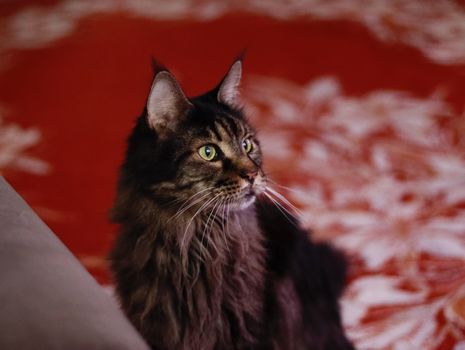
Maine Coon and Children: How to Choose the Ideal Family Companion
The Maine Coon cat, often referred to as the "gentle giant" of the feline world, has become one of the most popular breeds for families with children. With their impressive size, luxurious coats, and affectionate personalities, Maine Coons seem like an obvious choice for households looking for a loving pet. However, when it comes to finding the ideal family companion, not every Maine Coon is the same, and not every family’s needs align perfectly with this breed’s characteristics.
In this article, we’ll take a deep dive into what makes Maine Coons unique, how their traits fit with children of different ages and temperaments, and how to make the best choice for your family. We’ll also compare Maine Coons with other family-friendly cats, discuss what to look for in a breeder or adoption center, and provide actionable steps for ensuring a smooth introduction between your new feline friend and your children.
Understanding Maine Coon Personality and Temperament
Maine Coons are famed for their gentle, dog-like nature. According to The Cat Fanciers’ Association, Maine Coons consistently rank as one of the top three most popular cat breeds in the United States, largely because of their exceptional family-friendly temperament.
.png)
Key characteristics of Maine Coons include:
- $1: Unlike some velcro breeds, Maine Coons enjoy socializing but respect personal space, making them ideal for busy families. - $1: Their playful streak can persist well into adulthood, matching the energy levels of children. - $1: Maine Coons are quick learners and can even be taught tricks or to walk on a leash. - $1: Their forgiving nature allows them to handle the sometimes unpredictable behavior of young children.A 2023 survey by the International Cat Association found that 92% of Maine Coon owners described their cats as "good with children," a higher percentage than any other breed surveyed. This bodes well for families, but it’s still essential to consider the individual cat’s temperament, as personalities can vary even within the breed.
Maine Coon vs. Other Family-Friendly Breeds: A Comparative Overview
While Maine Coons are often praised for their suitability with children, several other breeds also make excellent family companions. To provide a clear comparison, here’s a table summarizing key traits of Maine Coons and three other popular family-friendly breeds: Ragdoll, Burmese, and British Shorthair.
| Breed | Average Size | Temperament | Lifespan (years) | Child Compatibility | Grooming Needs |
|---|---|---|---|---|---|
| Maine Coon | 10-18 lbs | Gentle, playful, intelligent | 12-15 | Excellent | Medium to high |
| Ragdoll | 10-20 lbs | Calm, affectionate, docile | 12-17 | Excellent | Medium |
| Burmese | 8-12 lbs | Outgoing, playful, social | 14-16 | Very Good | Low |
| British Shorthair | 7-17 lbs | Calm, easygoing, independent | 12-17 | Good | Low |
Maine Coons stand out for their combination of size, patience, and playful energy. However, families seeking a more laid-back pet might also consider the Ragdoll, while those with less time for grooming might opt for a Burmese or British Shorthair.
Matching Maine Coon Traits with Your Children’s Needs
Choosing the right Maine Coon for your family means considering both your children’s personalities and the cat’s. Here are some factors to weigh:
1. $1: Maine Coons are large and sturdy, making them less fragile than smaller breeds. This robustness can be advantageous with toddlers and young children, who may be less gentle. However, supervision is still essential to prevent tail pulling or rough handling. 2. $1: Active children can find a willing playmate in a Maine Coon, whose playful nature can match children’s zest for games. Maine Coons are known to play fetch and enjoy interactive toys. In contrast, very quiet or introverted children might prefer a more reserved breed. 3. $1: While no cat is truly hypoallergenic, some families worry about allergies. Maine Coons produce the Fel d 1 protein like other breeds, but regular grooming can reduce dander. 4. $1: For children on the autism spectrum or those with sensory sensitivities, Maine Coons’ gentle, patient demeanor can be soothing. Their tendency to “chirp” or trill instead of meowing loudly may also be less likely to startle sensitive children. 5. $1: Maine Coons require regular brushing (2-3 times weekly) to maintain their thick, water-repellent coat. Involving children in grooming can foster responsibility and strengthen the bond.A 2022 study by the American Veterinary Medical Association found that children who help care for pets show improved empathy, social skills, and self-esteem, making the choice of a Maine Coon not just about companionship, but about positive development for your kids.
Finding the Perfect Maine Coon: Breeder, Shelter, or Rescue?
Once you’ve decided a Maine Coon fits your family, the next step is sourcing your new companion responsibly. Here’s what to consider:
- $1: Look for breeders registered with organizations like The Cat Fanciers’ Association or The International Cat Association. Ask about health screenings for hypertrophic cardiomyopathy (HCM) and hip dysplasia, two conditions with higher prevalence in Maine Coons. - $1: Many Maine Coon-specific rescues exist across the U.S. In 2021, the Maine Coon Adoptions organization reported a 15% increase in families adopting older Maine Coons, finding that adult cats often transition smoothly into family life. - $1: While purebred Maine Coons in shelters are rare, Maine Coon mixes with similar personalities can be found.When choosing a Maine Coon, meet the cat beforehand and observe its reaction to children. A reputable source will allow you to interact with the cat and answer questions about its temperament and history.
Preparing Your Home and Children for a Maine Coon
Bringing a Maine Coon into your home is exciting, but preparation is vital for success. Here’s a step-by-step guide:
1. $1: Teach children proper cat-handling techniques—supporting the cat’s body, avoiding pulling on fur or tail, and recognizing feline body language. 2. $1: Provide your Maine Coon with quiet retreats, like a cat tree or cozy bed in a low-traffic area, especially during the initial adjustment period. 3. $1: Invest in sturdy toys such as feather wands, tunnels, or puzzle feeders. Maine Coons love mental stimulation. 4. $1: Establish routines for feeding, play, and grooming. Assign age-appropriate pet care tasks to children to foster involvement. 5. $1: Always supervise interactions between young children and your new cat, especially in the first few weeks.According to Petfinder, homes that prepare in advance and involve children in the cat’s care are 40% more likely to report a smooth transition and lasting pet-child bonds.
Signs of a Successful Match: Evaluating Your Family’s Maine Coon Experience
The first few weeks and months of life with a Maine Coon and children are critical in determining long-term harmony. Here’s what to look for to know you’ve made a good match:
- $1: The cat seeks out children for play or companionship, and children interact gently. - $1: Both pet and kids seem relaxed and happy, with minimal incidents of scratching or hiding. - $1: Children enjoy helping with feeding, grooming, and play, and the cat responds positively. - $1: The Maine Coon adjusts to household routines, noises, and visitors without excessive anxiety.If challenges arise, don’t hesitate to consult a feline behaviorist or your veterinarian. With patience and proactive involvement, most families find that Maine Coons become beloved, lifelong companions.
Final Thoughts on Choosing a Maine Coon as Your Family Cat
Selecting a Maine Coon as a family companion involves more than simply falling for their majestic looks. It’s about matching their unique blend of size, patience, and playfulness with your family’s rhythm and needs. By understanding the breed’s temperament, comparing your options, preparing your home, and considering your children’s personalities, you’re more likely to achieve that perfect fit.
A well-chosen Maine Coon can enrich childhood with affection, fun, and unforgettable memories. Take the time to research, meet potential cats, and involve your children in the process—your ideal family companion is out there waiting to become part of your story.