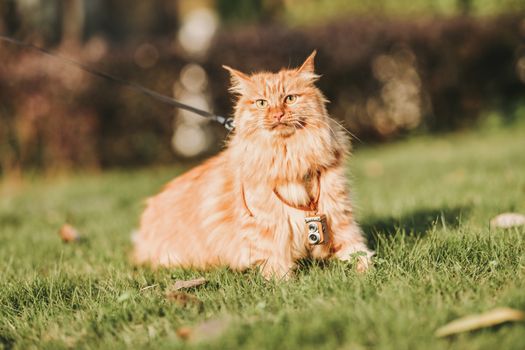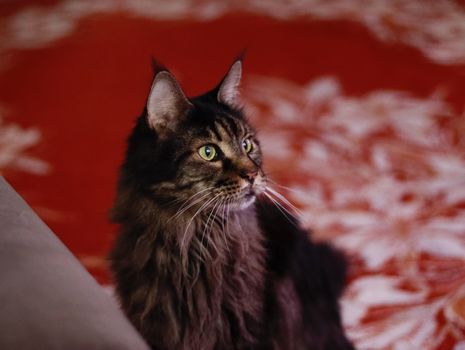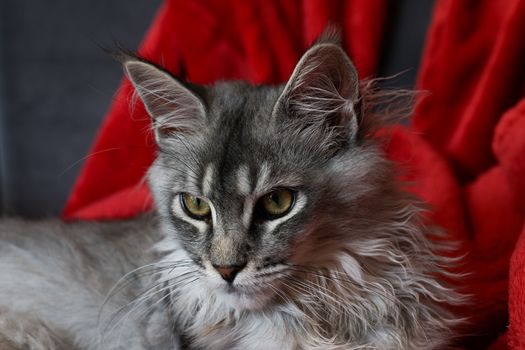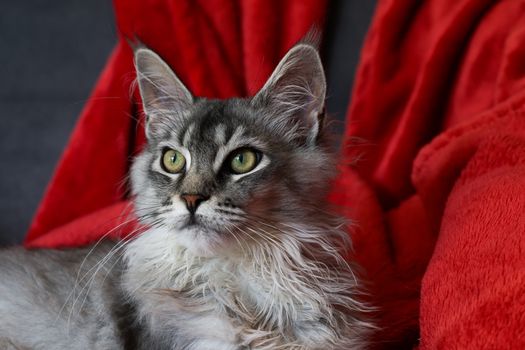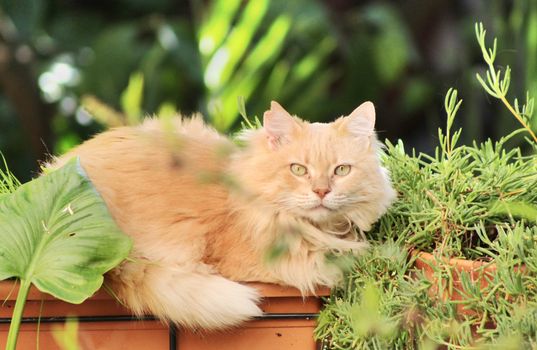
Maine Coon cats are beloved for their majestic appearance, friendly personalities, and playful spirit. As one of the most popular cat breeds worldwide, these gentle giants capture hearts with their tufted ears, bushy tails, and affectionate nature. However, like all purebred animals, Maine Coons are prone to certain health issues that owners should be aware of. Recognizing and addressing these health problems early can make a significant difference in your Maine Coon's quality of life and lifespan. This article explores the most common health problems in Maine Coons, how to spot warning signs, and the best ways to address and prevent them.
Understanding Maine Coon Health: Why Awareness Matters
Maine Coons are generally hardy cats, with an average lifespan of 12 to 15 years. However, several hereditary and environmental factors can affect their well-being. According to the Cat Fanciers’ Association, Maine Coons are the third most popular breed in the United States, with hundreds of thousands of households welcoming these cats each year. Yet, data from veterinary studies show that up to 30% of purebred Maine Coons may carry genetic predispositions to certain diseases.
Early recognition of health problems allows for timely intervention, often resulting in better outcomes and, in some cases, prevention of severe complications. Regular wellness checks, a balanced diet, and an understanding of breed-specific risks are crucial for keeping your Maine Coon healthy and happy.
.png)
The Most Common Health Problems in Maine Coons
Maine Coons, like all breeds, have unique genetic vulnerabilities. The most significant health problems seen in Maine Coons include:
1. Hypertrophic Cardiomyopathy (HCM) 2. Hip Dysplasia 3. Spinal Muscular Atrophy (SMA) 4. Polycystic Kidney Disease (PKD) 5. Periodontal (Dental) DiseaseLet’s take a closer look at each issue, their symptoms, and how to address them.
Hypertrophic Cardiomyopathy: The Leading Cardiac Concern
Hypertrophic Cardiomyopathy (HCM) is the most prevalent heart disease in Maine Coons. It’s a genetic condition where the walls of the heart become abnormally thick, making it harder for the heart to pump blood efficiently. Studies estimate that 10-15% of all Maine Coons may carry the gene mutation responsible for HCM.
Symptoms to Watch For: - Rapid or labored breathing - Lethargy and weakness - Loss of appetite - Sudden collapse or faintingOwners may not notice early symptoms, as HCM can progress silently. The disease is typically diagnosed with an echocardiogram (ultrasound of the heart).
How to Address HCM: - Genetic screening: Reputable breeders screen for HCM mutations. If your Maine Coon hasn’t been tested, ask your vet for a genetic test. - Regular veterinary check-ups: Annual heart exams can detect early signs before symptoms appear. - Medication: If diagnosed early, heart medications can help manage symptoms and prolong life.According to a study published in the Journal of Feline Medicine and Surgery, Maine Coons diagnosed with early-stage HCM who receive prompt treatment can live as long as 5-10 years post-diagnosis.
Hip Dysplasia in Maine Coons: Not Just a Dog Problem
Hip dysplasia is often associated with large dog breeds, but it’s surprisingly common in Maine Coons due to their size and genetic background. This condition involves malformation of the hip joint, leading to arthritis and mobility issues.
Key Statistics: - Up to 18% of Maine Coons show signs of hip dysplasia on X-rays. - Signs typically appear between 2 and 6 years of age. Symptoms to Watch For: - Difficulty jumping or climbing stairs - Limping or stiffness, especially after exercise - Reluctance to play or exercise How to Address Hip Dysplasia: - Weight management: Maintaining a healthy weight reduces stress on joints. - Supplements: Glucosamine and chondroitin may help support joint health. - Surgery: In severe cases, surgical intervention may be recommended.If you notice mobility changes, consult your veterinarian for a physical exam and possibly X-rays.
Spinal Muscular Atrophy: A Unique Feline Neurological Disease
Spinal Muscular Atrophy (SMA) is a hereditary disorder unique to Maine Coons. It affects the spinal cord's motor neurons, leading to muscle weakness and atrophy, especially in the hind limbs.
Symptoms to Watch For: - Unsteady gait or “bunny hopping” walk - Muscle wasting in the hindquarters - Difficulty jumping or climbingSMA typically manifests between 3 and 6 months of age. Fortunately, the disease is not painful and does not affect life expectancy, but it can impact quality of life.
How to Address SMA: - Genetic testing: Responsible breeders test for the SMA gene, ensuring affected kittens are not bred. - Home adjustments: Provide ramps or steps to assist your cat in reaching favorite spots. - Physical therapy: Gentle exercises can help maintain muscle tone and mobility.Polycystic Kidney Disease: An Emerging Concern
Polycystic Kidney Disease (PKD) is an inherited disorder where fluid-filled cysts form in the kidneys, eventually leading to kidney dysfunction or failure. While PKD is best known in Persian cats, recent studies indicate a rising incidence in Maine Coons, with up to 3% affected.
Symptoms to Watch For: - Increased thirst and urination - Weight loss and poor appetite - Vomiting and lethargy How to Address PKD: - Genetic screening: Early detection through DNA testing is essential. - Diet and hydration: Special kidney diets and increased water intake can slow disease progression. - Regular monitoring: Bloodwork and ultrasounds help track kidney function over time.There is no cure for PKD, but early intervention can significantly extend quality and length of life.
Dental Disease: The Silent Threat
Periodontal disease is one of the most common, yet often overlooked, health issues in Maine Coons. By age three, more than 70% of all cats show some signs of dental disease, and Maine Coons are no exception. Untreated dental problems can lead to pain, infection, and even systemic health issues affecting the heart and kidneys.
Symptoms to Watch For: - Bad breath (halitosis) - Red or bleeding gums - Difficulty eating or chewing How to Address Dental Disease: - Regular brushing: Introduce tooth brushing early in life. - Professional cleanings: Annual dental cleanings by your vet can prevent advanced disease. - Dental diets and treats: Special foods and dental chews may reduce tartar buildup.Comparing Health Problems: Prevalence and Management
The table below summarizes the key health problems in Maine Coons, their estimated prevalence, and recommended management strategies.
| Health Problem | Estimated Prevalence | Key Symptoms | Management |
|---|---|---|---|
| Hypertrophic Cardiomyopathy (HCM) | 10-15% | Rapid breathing, lethargy, fainting | Genetic testing, regular heart checks, medication |
| Hip Dysplasia | Up to 18% | Limping, difficulty jumping | Weight control, supplements, surgery |
| Spinal Muscular Atrophy (SMA) | Varies (hereditary) | Unsteady gait, muscle wasting | Genetic testing, home adaptation, physical therapy |
| Polycystic Kidney Disease (PKD) | Up to 3% | Increased thirst, weight loss | Genetic testing, special diet, monitoring |
| Periodontal Disease | 70% (all cats by age 3) | Bad breath, gum redness | Tooth brushing, dental cleanings, dental diets |
How to Recognize Health Problems Early in Your Maine Coon
Early detection is key to managing health issues in Maine Coons. Here’s how to stay vigilant:
- Observe daily behavior: Changes in appetite, litter box habits, or energy levels may signal a problem. - Schedule regular vet visits: Annual or biannual exams help catch issues before they become serious. - Ask about breed-specific screening: Make sure your vet is aware your cat is a Maine Coon and request genetic or diagnostic testing as appropriate. - Monitor weight and body condition: Sudden weight loss or gain can indicate underlying illness. - Keep an eye on mobility: Reluctance to jump, run, or play should always be discussed with your vet.Many Maine Coon owners use a health journal to track changes, making it easier to notice subtle shifts over time.
Supporting Your Maine Coon’s Long-Term Health
Prevention is always better than cure. Here are some targeted steps Maine Coon owners can take to minimize health risks:
- Choose a reputable breeder: Ask for proof of genetic screening for HCM, PKD, and SMA. - Feed a balanced diet: Consult your vet for nutrition tailored to Maine Coons’ size and metabolism. - Encourage exercise: Play regularly to keep joints supple and weight in check. - Prioritize dental care: Make dental hygiene part of your routine. - Be proactive: If you notice anything unusual, don’t wait—early intervention saves lives.With attentive care, many Maine Coons live well into their late teens, enjoying years of companionship.