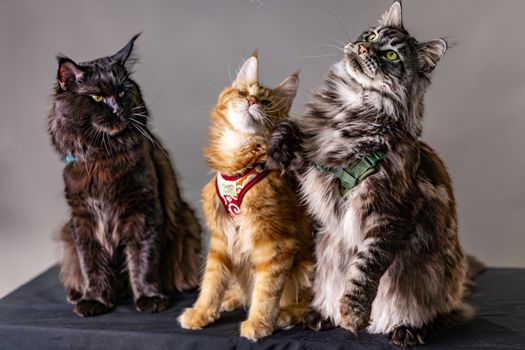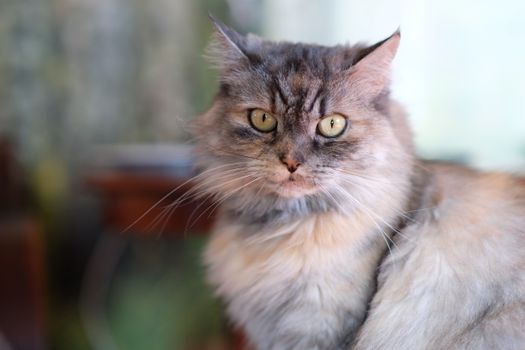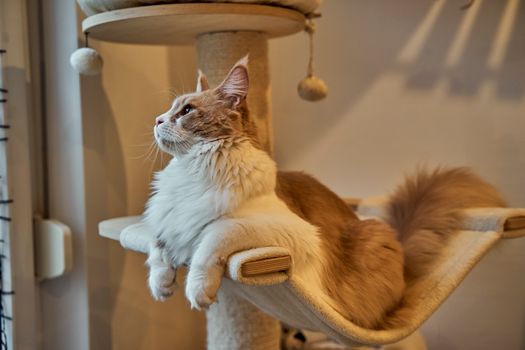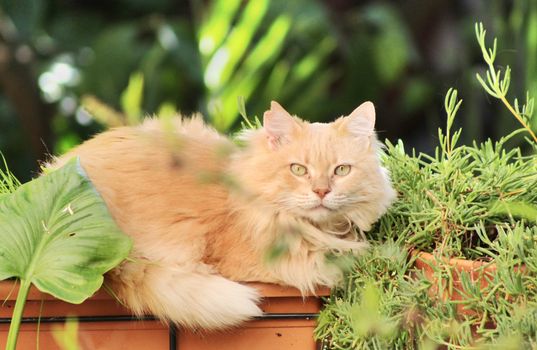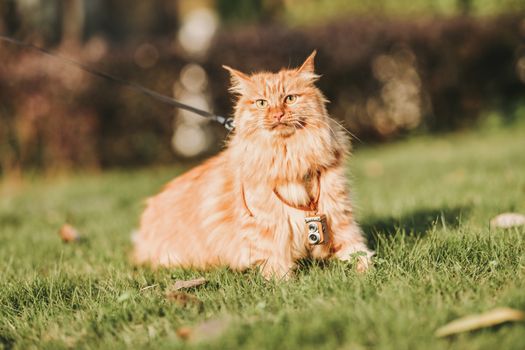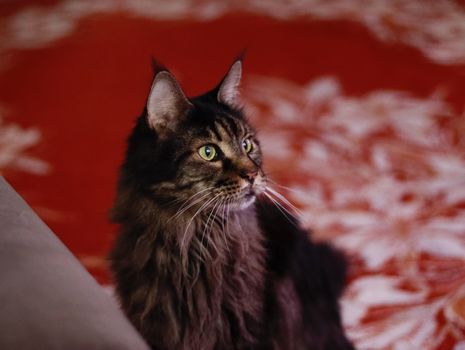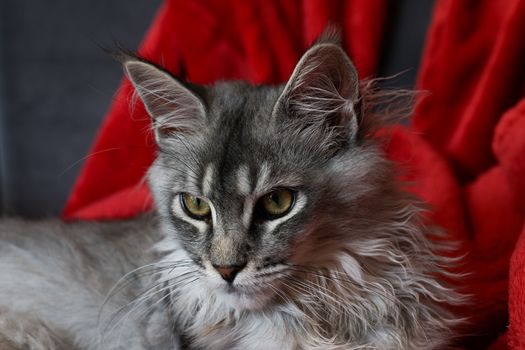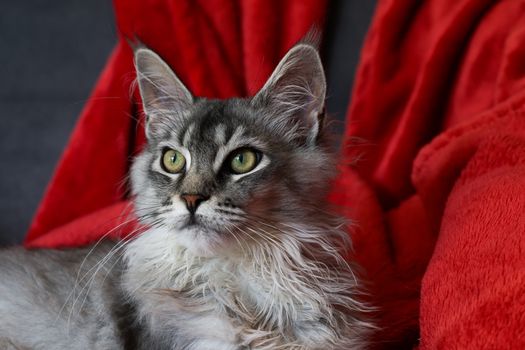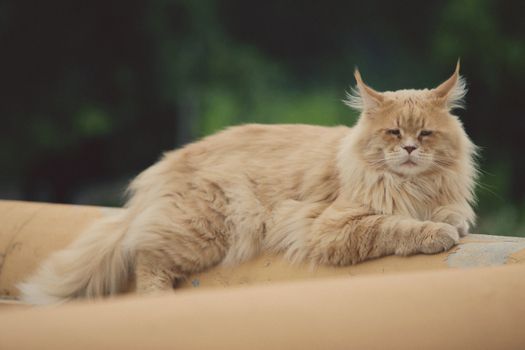
For cat lovers and pet enthusiasts, Maine Coons are often wrapped in a shroud of legends, half-truths, and fascinating tales. With their majestic appearance, bushy tails, and gentle personalities, it’s no wonder these “gentle giants” of the cat world attract so much attention. But along with their popularity comes a host of myths that can confuse potential owners and fans alike. In this article, we’ll unravel the most common myths about Maine Coons, separating truth from fiction, and offering clarity for anyone entranced by this remarkable breed.
The Myth of the Maine Coon’s Wild Origins
One of the most persistent myths about Maine Coons is their supposed descent from wild animals—specifically raccoons or bobcats. The origin of this myth is likely rooted in the breed’s name and their bushy, ringed tails, which resemble those of raccoons. There’s even a popular folktale suggesting that Maine Coons are the result of domestic cats mating with raccoons.
However, this is pure fiction. Biologically, it is impossible for cats and raccoons to interbreed, as they are entirely different species with incompatible genetics. DNA studies confirm that Maine Coons are 100% domestic cats. Instead, the breed likely developed naturally in the New England region, adapting to harsh winters with their dense, water-resistant fur and tufted paws. Some theories suggest they may descend from long-haired cats brought over by seafarers, possibly including the Vikings or early European settlers.
.png)
So, while the legend adds a touch of magic to their story, the real origin of the Maine Coon is far less wild—and just as fascinating.
Size Matters: Maine Coons vs. Other Breeds
It’s no secret that Maine Coons are among the largest domestic cat breeds. But exaggerated claims about their size often circulate online. Some say Maine Coons can reach the size of small dogs or weigh over 30 pounds, but the truth is more nuanced.
According to The Cat Fanciers’ Association, male Maine Coons typically weigh between 13 and 18 pounds, while females range from 8 to 12 pounds. It’s not uncommon for some males to reach up to 20 pounds, especially if they are particularly large or overweight. In terms of length, Maine Coons can measure up to 40 inches from nose to tail tip, with the world record holder for the longest cat (Stewie) measuring 48.5 inches.
To provide perspective, here’s a comparison of Maine Coons with other popular breeds:
| Breed | Average Male Weight (lbs) | Average Female Weight (lbs) | Average Length (inches) |
|---|---|---|---|
| Maine Coon | 13-18 | 8-12 | 30-40 |
| Persian | 9-14 | 7-11 | 14-18 |
| Siberian | 11-16 | 8-12 | 15-18 |
| British Shorthair | 12-17 | 9-15 | 15-20 |
While Maine Coons are indeed big for cats, they are rarely the size of a dog, and healthy weights should always be maintained to prevent health issues.
Fur Maintenance: Shedding Light on the Maine Coon’s Coat
Another common myth is that Maine Coons require endless grooming due to their long, luxurious coats. Some say their fur is prone to matting and constant shedding, making them high-maintenance pets. But how much of this is true?
Maine Coons do have a thick, double-layered coat designed for cold climates, which means they do shed—especially in spring and fall. However, their fur is silky rather than woolly, making it less prone to tangling compared to breeds like the Persian. Weekly brushing is usually sufficient to keep their coat in good condition and prevent mats. During seasonal shedding periods, more frequent grooming may help, but the idea that Maine Coons are grooming nightmares is an exaggeration.
It’s also worth noting that Maine Coons are not hypoallergenic. While some people claim otherwise, all cats produce allergens, and Maine Coons are no exception. People with cat allergies should spend time with a Maine Coon before deciding to adopt.
Personality Myths: Are Maine Coons Really Like Dogs?
Maine Coons are often described as “dog-like” for their affectionate, playful, and loyal nature. Some claim they can be trained like dogs, or that they crave human companionship more than any other breed. While there is some truth to these statements, they can also be misleading.
Maine Coons are indeed known for their friendly, sociable personalities. They often enjoy interactive play, follow their owners from room to room, and may even learn tricks or play fetch. According to a 2022 survey by the International Cat Association, about 68% of Maine Coon owners reported that their cat regularly greeted them at the door.
However, not every Maine Coon acts like a dog. Each cat has its own temperament, and some may be more independent or reserved. While they are generally good with children and other pets, this isn’t universal. Training Maine Coons is possible—they are intelligent and food-motivated—but expecting canine-level obedience is unrealistic. They remain cats, with a cat’s independent spirit.
Health and Longevity: Separating Fact from Fear
A number of myths surround the health of Maine Coons, with some believing they are either especially robust or prone to numerous diseases. The truth is somewhere in the middle.
Maine Coons are generally healthy cats with a lifespan of 12-15 years, though some live into their late teens. Like all purebreds, they are predisposed to certain genetic conditions. The most notable include:
- Hypertrophic Cardiomyopathy (HCM): This heart disease is the most common hereditary condition in Maine Coons, affecting up to 30% of the population according to a 2018 study published in the Journal of Veterinary Cardiology. - Hip Dysplasia: More common in large breeds, this can lead to arthritis or mobility issues. - Spinal Muscular Atrophy (SMA): A genetic disorder causing muscle weakness, but it does not cause pain or shorten lifespan.Responsible breeders screen for these conditions, significantly reducing the risk for kittens. The myth that Maine Coons are either invincible or frail is simply not supported by the facts. Regular veterinary care, a balanced diet, and an active lifestyle are key to a healthy life, just as with any pet.
Maine Coon Myths and Pop Culture: Fact-Checking the Legends
Pop culture and internet memes have added new layers to Maine Coon mythology. Some claim Maine Coons are the “biggest cats in the world,” or that they are inherently more intelligent than other breeds. Others believe Maine Coons only come in brown tabby patterns, thanks to famous images circulating online.
Let’s address these:
- Maine Coons are the largest domestic cat breed, but they are not bigger than wild species like Servals or Savannah cats. - Maine Coons come in over 75 color and pattern combinations, including solid, tabby, tortoiseshell, and even white. - Their intelligence is above average, but not unique—many breeds, such as Bengals and Siamese, also rank high in feline intelligence tests. - Finally, Maine Coons are not immune to behavioral issues. They can be shy, mischievous, or stubborn, just like any other cat.These myths, while entertaining, can set unrealistic expectations for prospective owners. Educating yourself with facts is the best way to ensure a happy, harmonious relationship with your Maine Coon.
Final Thoughts on Maine Coon Myths: Embracing the Real Cat
Maine Coons are truly remarkable felines, deserving of their reputation as gentle, affectionate, and striking companions. Yet, the myths that surround them—while often rooted in history or observation—can mislead those seeking to understand what living with a Maine Coon is really like.
By separating truth from fiction, we can appreciate Maine Coons for what they are: intelligent, loving cats with a unique blend of beauty and personality. Whether you’re already a Maine Coon owner or considering bringing one into your home, knowing the real facts will help you build a rewarding relationship and provide the best care possible. Remember, every Maine Coon is an individual, and embracing their true nature is far more rewarding than chasing legends.