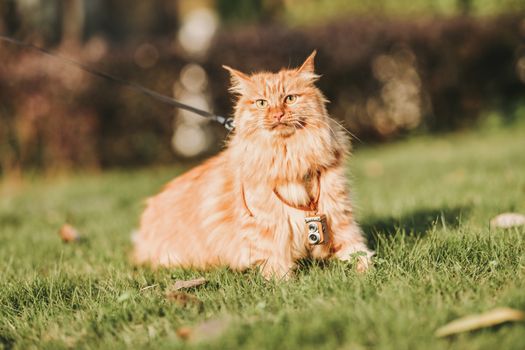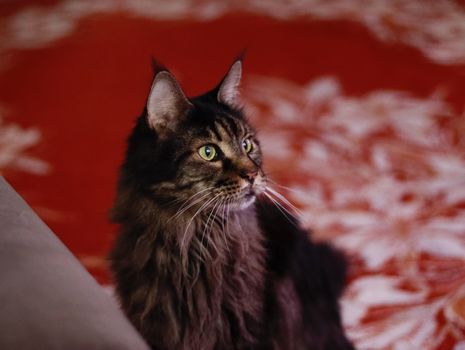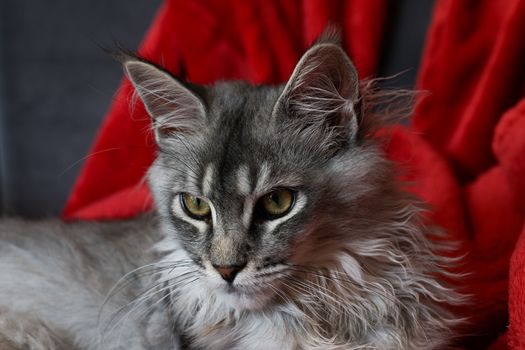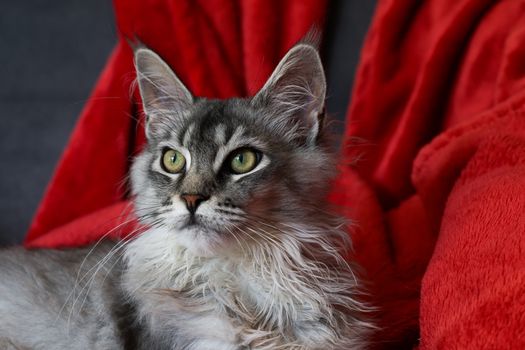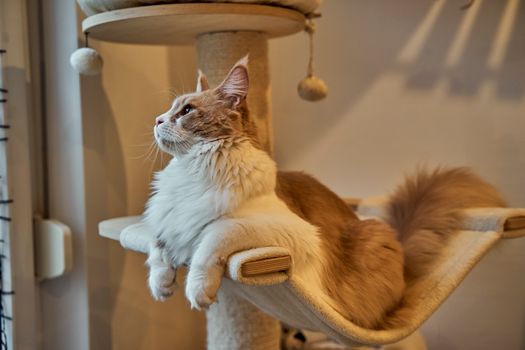
Maine Coons are known for their majestic looks, gentle personalities, and playful intelligence. These lovable giants capture the hearts of cat lovers worldwide, but like all breeds, they come with unique health concerns. Understanding the most common health issues in Maine Coons, knowing what signs to watch for, and learning how to prevent problems can make all the difference in your pet’s quality of life. Whether you’re a seasoned Maine Coon owner or considering welcoming one into your family, this guide will empower you with the knowledge you need to keep your gentle giant healthy and happy.
Understanding Maine Coon Health: Breed-Specific Risks
The Maine Coon is one of the oldest natural cat breeds in North America, and their robust appearance often suggests they’re immune to health problems. However, selective breeding and genetics do put Maine Coons at higher risk for certain conditions compared to other breeds.
Some of the most prevalent health risks in Maine Coons include:
.png) - Hypertrophic Cardiomyopathy (HCM)
- Hip Dysplasia
- Spinal Muscular Atrophy (SMA)
- Polycystic Kidney Disease (PKD)
- Periodontal Disease
- Hypertrophic Cardiomyopathy (HCM)
- Hip Dysplasia
- Spinal Muscular Atrophy (SMA)
- Polycystic Kidney Disease (PKD)
- Periodontal Disease
According to the Feline Health Center at Cornell University, up to 30% of Maine Coons carry the genetic mutation for HCM, the most common heart disease in cats. Additionally, a 2021 study published in the Journal of Feline Medicine found that roughly 18% of Maine Coons show signs of hip dysplasia. These numbers highlight the importance of understanding breed-specific risks and acting proactively.
Hypertrophic Cardiomyopathy: The Maine Coon Heart Challenge
Hypertrophic Cardiomyopathy (HCM) is a genetic heart condition characterized by the thickening of the heart muscle, which can lead to heart failure and sudden death. Maine Coons are genetically predisposed to this disease, and it remains the leading cause of cardiac-related deaths in the breed.
Key Facts: - HCM affects 10-30% of Maine Coons worldwide. - The gene mutation responsible is known as MYBPC3-A31P. - Symptoms may include rapid breathing, lethargy, loss of appetite, or sudden collapse, but many cats show no signs until the disease is advanced.Early detection is crucial. Annual veterinary exams with echocardiograms can help catch HCM before symptoms appear. For breeding cats, genetic testing is now available and recommended. If you’re adopting a Maine Coon, ask the breeder for proof of negative HCM genetic tests for both parents.
Prevention Tips: - Only adopt from breeders who screen for HCM. - Schedule annual heart health checks, including ultrasounds if possible. - Maintain a healthy weight, as obesity can worsen heart conditions.Hip Dysplasia and Joint Health Concerns
While hip dysplasia is more famous in large dog breeds, Maine Coons have the highest incidence among cats. This hereditary condition results in malformed hip joints, leading to arthritis and mobility issues.
Statistics: - Around 18% of Maine Coons show signs of hip dysplasia by age five. - Symptoms include limping, reluctance to jump, and decreased activity.Environmental factors can exacerbate genetic predisposition. For example, rapid weight gain during kittenhood increases stress on developing joints. Early intervention is vital to prevent long-term pain and disability.
Prevention and Management: - Feed kittens and adults a balanced diet to avoid obesity. - Provide ramps and soft bedding to minimize joint strain. - Encourage low-impact play and regular, gentle exercise. - Discuss supplements like glucosamine with your vet if your cat is at risk.Spinal Muscular Atrophy and Neuromuscular Health
Spinal Muscular Atrophy (SMA) is a genetic disorder affecting the spinal cord’s motor neurons, leading to muscle wasting and weakness. While SMA is not painful and does not affect lifespan, it can impact your cat’s mobility and quality of life.
Facts: - SMA is caused by a recessive gene mutation specific to Maine Coons. - Kittens usually show symptoms between 3-4 months old: tremors, awkward walking, and muscle atrophy in the hindquarters.There is currently no cure, but affected cats often adapt well to their limitations with a supportive home environment.
Prevention: - Responsible breeders test for SMA and do not breed carriers. - If adopting, request genetic screening results for both parents.Dental and Kidney Concerns: Overlooked but Important
Periodontal (gum) disease and Polycystic Kidney Disease (PKD) are two additional health risks that, while not unique to Maine Coons, require special attention due to the breed’s genetic background and size.
Periodontal Disease: - By age three, 70% of cats show some form of dental disease. - Maine Coons are at higher risk due to their jaw structure and tendency to retain baby teeth. - Signs include bad breath, drooling, and reluctance to eat. Prevention: - Brush your cat’s teeth regularly. - Provide dental treats and schedule annual veterinary cleanings. Polycystic Kidney Disease (PKD): - PKD is a hereditary condition where fluid-filled cysts form in the kidneys, potentially leading to kidney failure. - Maine Coons are less prone to PKD than Persians, but cases have been documented. - Genetic testing is available for breeders. Prevention: - Ensure breeders test for PKD. - Monitor for symptoms such as increased thirst, frequent urination, and weight loss.Comparing Health Risks: Maine Coons vs. Other Popular Cat Breeds
How do Maine Coons stack up against other well-known breeds regarding health risks? Here’s a data overview comparing the prevalence of key hereditary conditions among Maine Coons, Persians, Siamese, and Bengals:
| Condition | Maine Coon (%) | Persian (%) | Siamese (%) | Bengal (%) |
|---|---|---|---|---|
| Hypertrophic Cardiomyopathy (HCM) | 10-30 | 10-20 | 5-10 | 3-7 |
| Hip Dysplasia | 18 | 5 | Rare | Rare |
| Polycystic Kidney Disease (PKD) | 2-4 | 36-49 | Rare | Rare |
| Spinal Muscular Atrophy (SMA) | 3-5 | 0 | 0 | 0 |
This table illustrates the importance of breed-specific health awareness. For instance, while Persians are far more likely to develop PKD, Maine Coons are uniquely at risk for SMA and hip dysplasia.
Early Warning Signs: What to Watch For in Your Maine Coon
Because many Maine Coon health problems are genetic and may not show symptoms until advanced stages, regular observation and veterinary care are essential. Here are key signs that should prompt a vet visit:
- Rapid or labored breathing - Sudden weight loss or gain - Difficulty jumping or climbing - Lethargy or hiding behavior - Changes in appetite or drinking habits - Limping, stiffness, or unusual gait - Bad breath, excessive drooling, or pawing at the mouthMonitor your Maine Coon’s behavior and body condition weekly, and keep a journal of any changes. Early intervention can dramatically improve outcomes for many conditions.
Proactive Prevention: Building a Healthy Routine for Your Maine Coon
While genetics play a significant role in Maine Coon health, proactive care can prevent or delay the onset of many issues. Here are practical steps for building a robust health routine:
Veterinary Care: - Schedule annual wellness exams, or semi-annual for seniors (age 8+). - Request breed-specific screenings: echocardiograms, hip X-rays, kidney function tests, and dental checks. Diet and Exercise: - Feed a high-quality, protein-rich diet tailored to large breeds. - Monitor portion sizes to prevent obesity (over 60% of U.S. cats are overweight, according to the Association for Pet Obesity Prevention). - Provide interactive toys and climbing structures to keep muscles strong and joints flexible. Genetic Testing: - If adopting a kitten, request documentation of HCM, SMA, and PKD screening in the parents. - For rescued or older cats, discuss DNA testing options with your vet. Environmental Enrichment: - Use ramps and non-slip mats for cats with joint issues. - Offer gentle play to stimulate both mind and body. Dental Care: - Brush your cat’s teeth with feline-safe toothpaste at least 2-3 times a week. - Use dental treats and schedule professional cleanings as recommended.By combining genetic awareness with diligent daily care, you give your Maine Coon the best chance at a long, healthy, and happy life.
Final Thoughts on Protecting Maine Coon Health
Maine Coons are truly special companions, but their size and history come with unique health challenges. By staying informed about breed-specific risks like HCM, hip dysplasia, and SMA, as well as more general concerns like dental and kidney health, you can watch for warning signs and act early. Choosing responsible breeders, scheduling regular vet visits, and committing to a healthy lifestyle will go a long way in preventing problems before they start. With proper care, Maine Coons often live 12-15 years—and sometimes even longer—bringing big love to your family every day.