Maine Coons vs. Other Cat Breeds: What Makes Them Unique?
If you’ve ever admired the majestic, lion-like appearance of a Maine Coon, you’re not alone. As one of the world’s most popular cat breeds, the Maine Coon often stands out in both looks and personality. But how do these gentle giants compare to other beloved breeds when it comes to temperament, care needs, health, and adaptability? Whether you’re a seasoned cat owner or considering your first feline friend, understanding the differences between Maine Coons and other breeds can help you make an informed decision about the right cat for your home.
This article delves into the distinctive qualities of Maine Coons, contrasting them with other popular breeds such as the Siamese, British Shorthair, Persian, and Bengal. We’ll cover physical characteristics, personality traits, health considerations, and compatibility with various lifestyles—equipping you with everything you should know before choosing your next feline companion.
The Distinctive Physical Features of Maine Coons Compared to Other Breeds
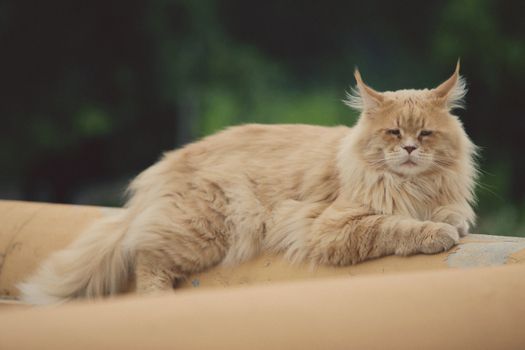
Maine Coons hold the record for being the largest domesticated cat breed, often referred to as the “gentle giants” of the feline world. A typical adult Maine Coon male weighs anywhere from 13 to 18 pounds, with some males tipping the scales at over 20 pounds. Females are generally smaller, but still larger than many other breeds, averaging 8 to 12 pounds. By comparison, the average domestic cat weighs about 8 to 10 pounds.
.png)
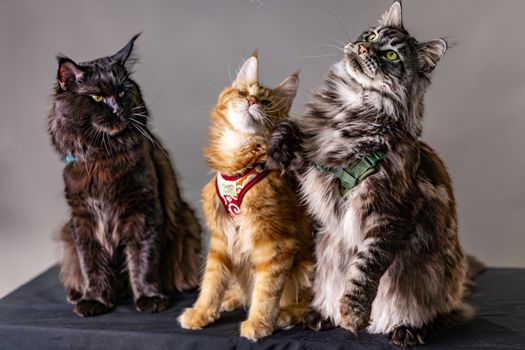
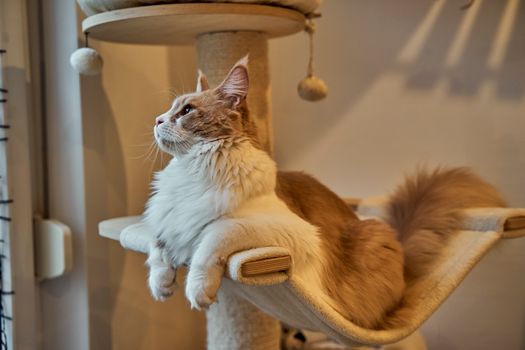
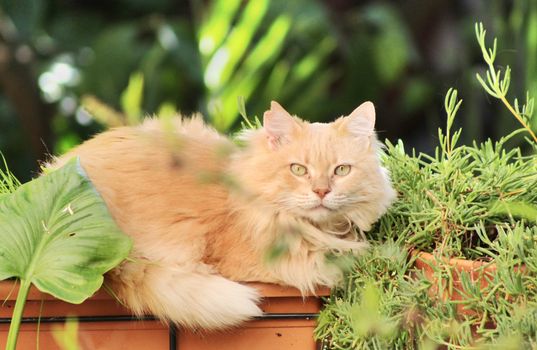
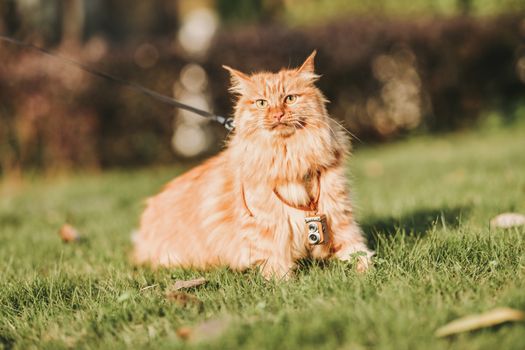
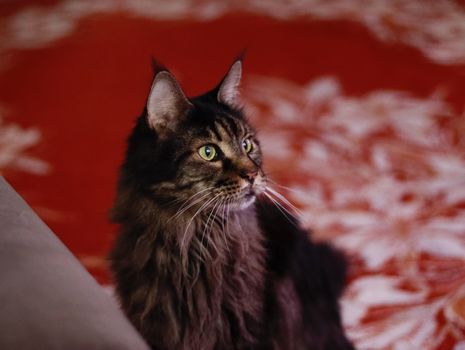
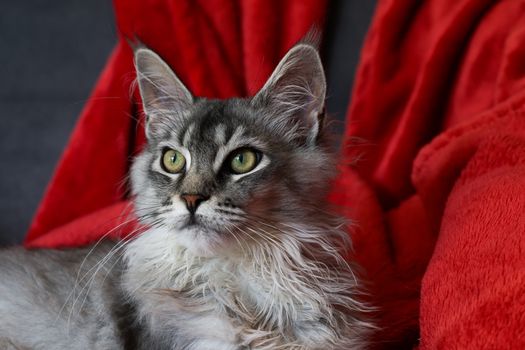
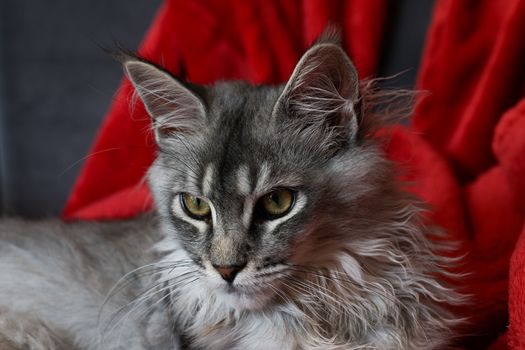
Their long, shaggy coats, bushy tails, and tufted ears give Maine Coons a wild, rugged appearance that is unique among domesticated breeds. These features are not just for show—their thick fur and large paws equipped with tufts are adaptations to harsh, cold climates, a nod to their origins in the northeastern United States.
In contrast, the Siamese cat is slender and elegant, with a short, sleek coat and striking blue almond-shaped eyes. British Shorthairs are known for their dense, plush coats and round faces, while Persians are recognized for their luxurious long fur and flat faces. Bengals have a distinctive spotted or marbled coat reminiscent of wild leopards.
Here’s a quick comparison of physical features among some popular breeds:
| Breed | Average Weight | Coat Length | Distinctive Features |
|---|---|---|---|
| Maine Coon | 13-18 lbs (male) | Long, shaggy | Large size, tufted ears, bushy tail |
| Siamese | 6-14 lbs | Short, sleek | Blue eyes, slender body, color points |
| British Shorthair | 7-17 lbs | Short, dense | Round face, plush coat |
| Persian | 7-12 lbs | Long, thick | Flat face, large eyes |
| Bengal | 8-15 lbs | Short-med, soft | Spotted/marbled coat, muscular |
Personality and Temperament: Gentle Giants vs. Social Butterflies
One of the hallmarks of the Maine Coon is their dog-like personality. These cats are famously sociable, affectionate, and intelligent, often forming strong attachments to their human families. Unlike some breeds that prefer a more independent lifestyle, Maine Coons are known to follow their owners from room to room and even enjoy learning tricks or playing fetch.
Siamese cats are also highly social, but they tend to be much more vocal and demanding of attention. Their “talkative” nature is legendary, and they won’t hesitate to let you know how they feel. British Shorthairs, on the other hand, are more reserved, preferring a quiet, calm environment and often forming deep, loyal bonds with one or two people. Persians are gentle and laid-back, content to lounge for hours, while Bengals are active and energetic, requiring lots of stimulation and play.
A 2023 survey by the Cat Fanciers' Association indicated that 78% of Maine Coon owners described their cats as “very affectionate,” compared to 65% for Siamese and 52% for British Shorthairs. This data highlights the Maine Coon’s reputation for warmth and companionship.
Grooming and Maintenance: How Do Maine Coons Stack Up?
Due to their long, thick coats, Maine Coons require regular grooming to prevent mats and tangles. While their fur is less prone to matting than that of Persians, thanks to its silky texture, a weekly brushing is still recommended. During shedding seasons, more frequent grooming may be needed.
Persians demand even more grooming attention, often requiring daily brushing to keep their coats in top shape. In contrast, breeds like the Siamese and Bengal have short coats that need minimal maintenance—usually just a quick combing once a week.
Another consideration is shedding. Maine Coons are moderate shedders, while British Shorthairs and Persians are heavy shedders. Siamese and Bengals shed less, which can be a point in their favor for potential owners concerned about hair around the home.
It’s also worth noting that Maine Coons’ large size means their claws may need more frequent trimming, and their love of water (a rare trait in cats!) sometimes leads them to get dirtier than other breeds.
Health Considerations: What You Should Know Before Choosing a Breed
Maine Coons are generally healthy cats, but like all purebred animals, they are susceptible to certain hereditary conditions. The most significant of these is hypertrophic cardiomyopathy (HCM), a form of heart disease that can be detected with genetic testing. Maine Coons are also at risk for hip dysplasia, a condition more commonly seen in large dog breeds, due to their size.
According to the Orthopedic Foundation for Animals, approximately 18% of Maine Coons tested show signs of hip dysplasia, compared to less than 1% in Siamese cats. Responsible breeders screen for these conditions, but potential owners should be aware of the risks.
Other breeds have their own health concerns. Persians are prone to respiratory issues and eye problems due to their flat faces. Siamese cats sometimes suffer from dental disease and genetic eye problems. Bengals, despite their robust appearance, can be prone to heart disease as well.
Lifespan is another consideration. Maine Coons typically live 12-15 years, which is similar to most other domestic breeds. However, British Shorthairs are known for their longevity, often reaching 15-20 years with proper care.
Adaptability and Compatibility with Different Lifestyles
The Maine Coon’s easy-going personality makes them highly adaptable to various living situations. They generally get along well with children, other cats, and even dogs, making them a popular choice for families. Their playful nature ensures they remain kitten-like well into adulthood, providing years of active companionship.
Siamese cats thrive in busy households where they get plenty of attention but may become anxious if left alone for long periods. British Shorthairs are more independent and do well in quieter environments, making them ideal for singles or seniors. Persians, with their calm demeanor, are suited to peaceful homes, while Bengals need space to climb and play, making them better for active households.
If you travel frequently or work long hours, a Maine Coon or British Shorthair may be more forgiving of your schedule than a Siamese or Bengal, both of which can develop behavioral issues if left alone too much.
Cost of Ownership: Maine Coons vs. Other Popular Breeds
Bringing any purebred cat into your home is an investment, but Maine Coons tend to be among the pricier breeds due to their popularity and size. As of 2024, the average cost of a Maine Coon kitten from a reputable breeder ranges between $1,000 and $2,000, depending on lineage and location. Show-quality cats or those with rare colors can fetch even higher prices.
Siamese and British Shorthair kittens generally cost $600 to $1,200, while Persians and Bengals often fall in the $800 to $1,800 range. Remember, initial cost is only part of the picture—Maine Coons eat more than smaller breeds, and their grooming and veterinary expenses can also be higher.
Adopting from shelters is always an option, though purebred cats are less commonly found through rescue organizations. Regardless of breed, be sure to budget for quality food, regular veterinary care, and enrichment toys or furniture.
Final Thoughts: Which Breed Is Right for You?
Choosing between a Maine Coon and another breed comes down to your lifestyle, preferences, and expectations. Maine Coons excel as affectionate, adaptable, and interactive companions, especially for families or individuals seeking a sociable pet. Their size and grooming needs require a bit more commitment, but many owners find their loving personalities well worth the extra care.
Other breeds bring their own unique charms: the talkative Siamese, the independent British Shorthair, the luxurious Persian, or the energetic Bengal. By considering physical traits, temperament, health, and lifestyle compatibility, you’ll be better equipped to welcome the right feline friend into your home.