Maine Coon Fur Care: How to Keep Its Coat Healthy and Shiny
If you’ve ever had the pleasure of meeting a Maine Coon cat, you’ve likely been captivated by their impressive, flowing coats. These “gentle giants” of the feline world are renowned for their luxurious fur, which is not only striking to look at but also serves a functional purpose—protecting them from harsh climates. However, maintaining the health and shine of a Maine Coon’s coat requires more than just admiration. It calls for a dedicated approach to grooming, nutrition, environmental care, and understanding the breed’s unique needs.
Whether you’re a proud Maine Coon owner or considering welcoming one into your home, this guide will help you master the art of Maine Coon fur care. Learn how to keep that stunning mane lush, healthy, and irresistibly touchable, all while deepening your bond with your feline friend.
The Unique Qualities of Maine Coon Fur
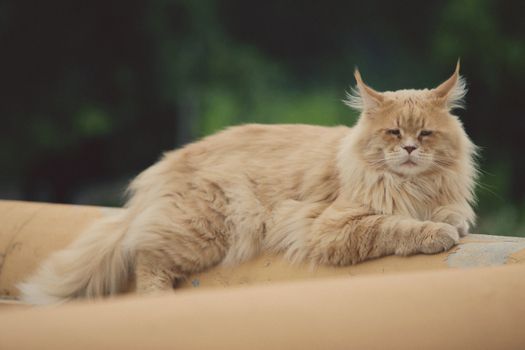
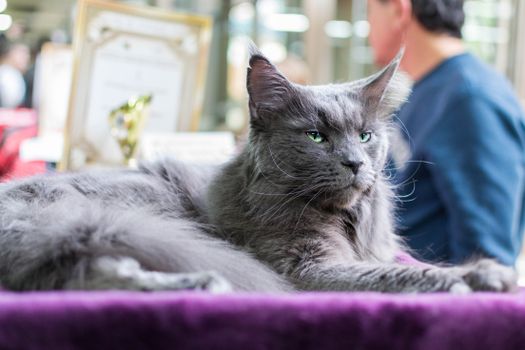
Maine Coons boast one of the most distinctive coats in the cat world. Their fur is semi-long, dense, and water-repellent, designed by nature to withstand the cold, wet winters of New England. A Maine Coon’s coat consists of three layers:
.png) - Soft, insulating undercoat
- Dense, coarser middle coat
- Long, glossy guard hairs
- Soft, insulating undercoat
- Dense, coarser middle coat
- Long, glossy guard hairs
This triple-layered fur not only insulates but also keeps dirt and moisture at bay. However, it also means that Maine Coons are more prone to matting, tangles, and shedding than many other breeds. Unlike short-haired cats, Maine Coons require regular and specialized care to maintain their trademark shine and prevent common coat issues.
A 2023 survey by the International Cat Association (TICA) found that 67% of Maine Coon owners spend at least 15 minutes per day on grooming—more than double the average for other breeds. This commitment pays off: a healthy Maine Coon coat is not just beautiful but also a sign of overall well-being.
Essential Grooming Tools and Techniques for Maine Coon Fur
The right grooming tools are crucial for managing your Maine Coon’s impressive mane. Not all brushes and combs are created equal, and using the wrong ones can lead to discomfort, itchiness, or even skin irritation.
Let’s compare some of the most effective grooming tools for Maine Coons:
| Tool | Best For | Frequency | Notes |
|---|---|---|---|
| Slicker Brush | Removing loose fur, detangling | 3-4 times/week | Gentle, suitable for all-over brushing |
| Wide-Tooth Comb | Detangling mats, thick areas | Weekly | Essential for the ruff and undercoat |
| Undercoat Rake | Shedding, seasonal coat changes | Bi-weekly or as needed | Helps prevent undercoat matting |
| Grooming Glove | Quick touch-ups, sensitive cats | Daily | Good for bonding and light grooming |
When grooming, always start with a gentle slicker brush to remove surface debris and loose hair. Pay close attention to the neck ruff, belly, and hindquarters—these areas are most prone to tangling. For stubborn mats, use a wide-tooth comb and never pull harshly; instead, gently tease the mat apart. During seasonal shedding (typically spring and fall), an undercoat rake can help manage excess fur and prevent hairballs.
Regular grooming not only keeps the coat shiny but also helps distribute natural oils, stimulates blood flow, and provides an opportunity to check for skin issues or parasites.
Nutrition’s Role in a Healthy, Shiny Maine Coon Coat
A radiant Maine Coon coat begins on the inside. Nutrition is a major factor in fur health, with deficiencies often showing up as dullness, excessive shedding, or even bald spots. Maine Coons, being larger and more active than most cats, have unique dietary needs.
Key nutrients for optimal coat health include:
- Omega-3 and Omega-6 fatty acids: Found in fish oils, flaxseed, and some poultry fats, these essential fats are proven to reduce shedding and boost shine. - High-quality animal protein: Supports hair growth and repair; Maine Coons require more protein than the average cat. - Vitamins A and E: Vital for skin health and fur strength. - Biotin and zinc: Promote resilience and prevent brittleness.A 2022 study by the American Association of Feline Practitioners revealed that cats on diets rich in omega-3s had a 30% reduction in shedding after just two months. Consider supplementing your Maine Coon’s diet with a veterinarian-recommended fish oil or a premium cat food formulated specifically for long-haired breeds.
Be wary of over-supplementation, though—too much vitamin A or certain minerals can be harmful. Consult your vet before making significant dietary changes.
Bathing and Moisture Management: How Much is Too Much?
Many cat owners believe that bathing is unnecessary, since cats groom themselves. While this is true for most felines, Maine Coons can benefit from occasional baths—especially if their coats become greasy, soiled, or matted.
However, over-bathing can strip natural oils, leading to dryness and flakiness. For most Maine Coons, a bath every 2-3 months is sufficient. Always use a gentle, cat-specific shampoo (never human products) and thoroughly rinse out all residues. After bathing, towel dry your cat and let them finish air-drying in a warm, draft-free room.
Moisture management is equally important. Maine Coon fur is water-repellent, but if it becomes damp for extended periods (as after a bath or in humid climates), mats can form quickly. Ensure your cat is fully dry and brush through the coat afterward to restore its natural texture.
Environmental Factors and Shedding Control
The home environment can have a significant impact on your Maine Coon’s coat. Factors such as humidity, air quality, and stress levels all play a role in fur health.
During spring and fall, Maine Coons experience “coat blow”—a rapid shedding of their undercoat to prepare for seasonal changes. Increase grooming frequency during these periods to prevent mats and reduce hairballs.
Keep your home’s humidity between 40-55% to prevent static and dry skin. Air purifiers can help reduce airborne allergens and dust, which may irritate your cat’s skin and lead to excessive grooming or shedding.
Stress is another major contributor to coat problems. Changes in routine, new pets, or loud environments can prompt over-grooming or even fur loss. Provide your Maine Coon with a calm, predictable home and plenty of enrichment to minimize stress.
Common Maine Coon Coat Issues and Solutions
Despite your best efforts, you may occasionally encounter coat problems. Here are some of the most frequent issues—and how to address them:
- Matting: If mats develop, do not use scissors, as it’s easy to nick the skin. Instead, use a mat splitter or consult a professional groomer. - Dullness: Double-check your cat’s diet and grooming routine. A lack of essential fatty acids is the most common culprit. - Excessive Shedding: Can be due to seasonal changes, but sudden, severe shedding may indicate health issues such as allergies or thyroid problems. - Greasiness or Odor: May signal inadequate grooming, dietary imbalance, or skin infections; consult your veterinarian if regular bathing and grooming do not resolve the issue.Regular veterinary checkups are crucial. The Cat Fanciers’ Association recommends at least one annual visit, with additional checkups for senior Maine Coons or those with persistent coat problems.
Building the Best Maine Coon Coat Care Routine
Crafting an effective fur care routine is the secret to a perpetually healthy, shiny Maine Coon coat. Here’s a sample weekly checklist:
- Brush thoroughly with a slicker brush three times a week. - Use a wide-tooth comb or undercoat rake once a week, focusing on the ruff, belly, and legs. - Monitor for mats and gently detangle as soon as they appear. - Offer a high-quality, omega-rich diet with plenty of fresh water. - Bathe every 2-3 months, or as recommended for your cat’s lifestyle. - Provide a clean, stress-free environment with regular enrichment.With patience and consistency, your Maine Coon will not only look magnificent but also feel comfortable and healthy.
Maine Coon Fur Care: Final Thoughts for a Luxurious Coat
Maine Coon fur care is much more than a beauty regimen—it’s a vital part of ensuring your feline companion’s health and happiness. From specialized grooming tools and nutrition to environmental management and stress reduction, every aspect of your cat’s lifestyle contributes to that iconic, gleaming mane.
By investing a little extra time and attention, you’ll enjoy the rewards of a coat that’s not just beautiful but also a testament to your Maine Coon’s well-being. And as any Maine Coon owner knows, those moments of grooming are also priceless opportunities to bond with your gentle giant.