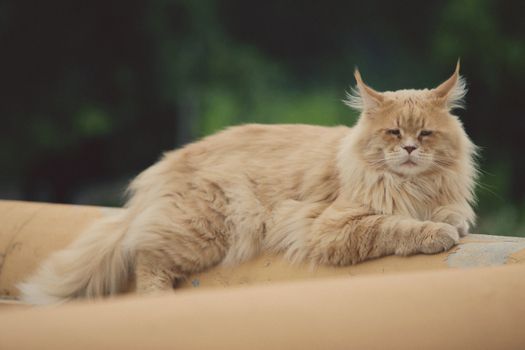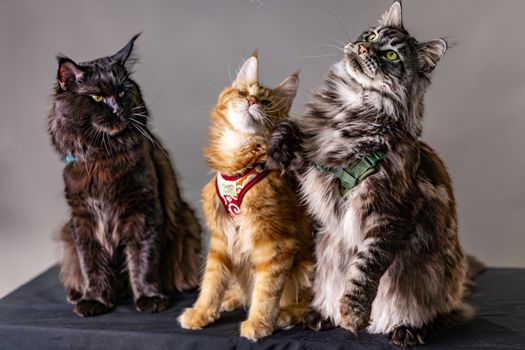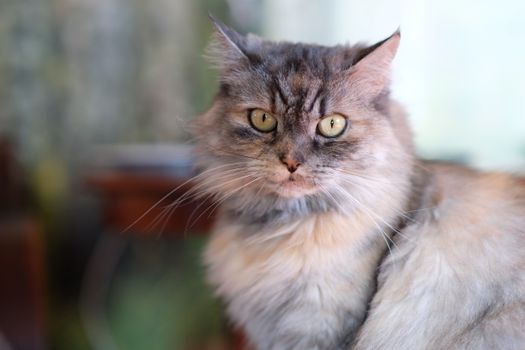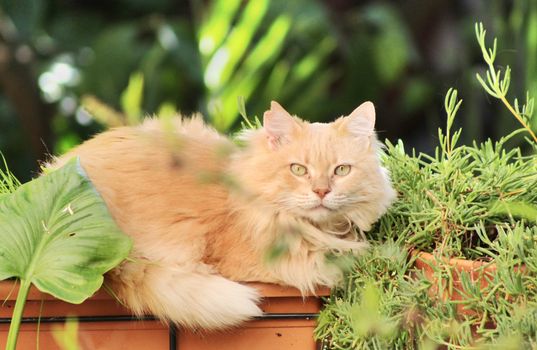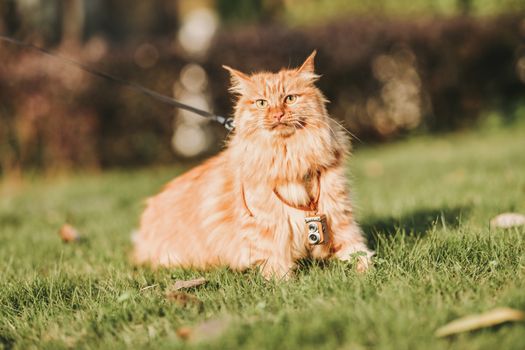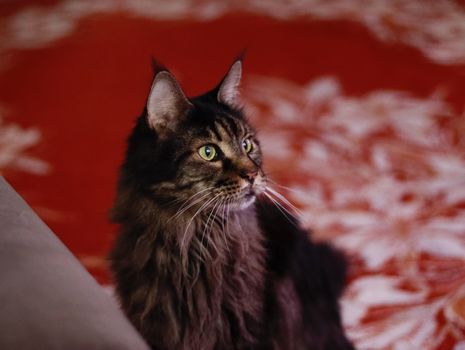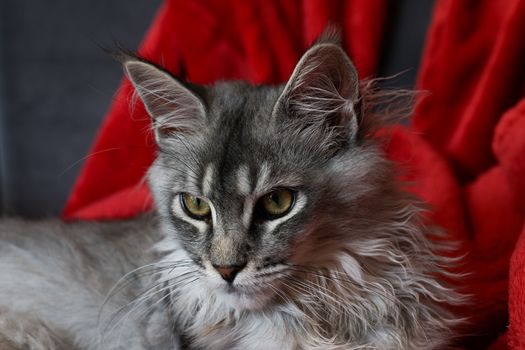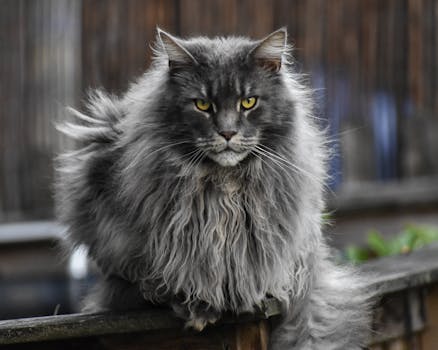
Welcoming a Maine Coon cat into your home is an exciting journey filled with anticipation, joy, and some unique challenges. Known for their impressive size, luxurious fur, and playful, affectionate personalities, Maine Coons are among the most beloved cat breeds in the world. However, their distinct needs mean that preparing your home for a new Maine Coon requires careful planning and thoughtful adjustments. Whether you're a first-time cat owner or a seasoned feline enthusiast, this beginner's guide will walk you through everything you need to know to create a safe, stimulating, and comfortable environment for your new furry family member.
Understanding the Maine Coon: What Makes Them Unique
Before you can effectively prepare your home, it’s essential to understand what sets Maine Coons apart from other cat breeds. These cats are famous for their size—the average adult male Maine Coon weighs between 13-18 pounds, while females typically range from 8-12 pounds. Some males can even reach up to 25 pounds! Their muscular build and long, bushy tails mean they need more space than the average housecat.
Maine Coons are also highly intelligent and sociable. They love to interact with their human companions, are generally good with children and other pets, and have a reputation for being “dog-like” in their loyalty. Their thick, water-repellent fur requires regular grooming, and their energetic nature means they thrive in environments that offer plenty of stimulation and exploration opportunities.
.png) Key Facts:
- Average male weight: 13-18 lbs (up to 25 lbs)
- Highly social and intelligent
- Long, dense fur that needs regular grooming
Key Facts:
- Average male weight: 13-18 lbs (up to 25 lbs)
- Highly social and intelligent
- Long, dense fur that needs regular grooming
Understanding these characteristics will help guide your preparations and ensure you’re ready to meet your Maine Coon’s specific needs from day one.
Creating Space: Room to Roam and Climb
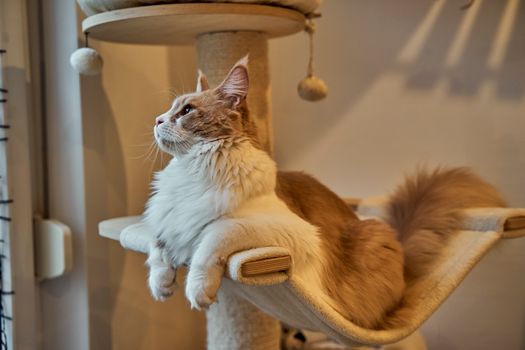
Maine Coons are natural explorers and climbers. Their large size and playful demeanor mean that cramped spaces or lack of vertical territory can quickly lead to boredom or behavioral issues. To accommodate their need for movement:
1. $1 Set aside at least one room or area as your Maine Coon’s primary territory. This should be a quiet, low-traffic space where your cat can retreat and relax, especially during their first few days at home. 2. $1 Standard cat trees often aren’t built to support a Maine Coon’s weight. Look for heavy-duty cat trees designed for large breeds, ideally with platforms at least 18 inches wide and reinforced scratching posts. 3. $1 Install wall-mounted shelves or cat walks to give your Maine Coon elevated vantage points. Not only does this satisfy their climbing instincts, but it also helps them feel secure. 4. $1 Maine Coons love to watch the world go by. Ensure they have access to secure window perches, and safeguard windows with sturdy screens to prevent accidental falls.A well-designed environment will help your Maine Coon feel at home and reduce the chances of destructive behavior caused by boredom or frustration.
Essential Supplies for Your Maine Coon
The right supplies make all the difference in your Maine Coon’s comfort and well-being. Because of their size, strength, and unique needs, not all standard cat products will suffice. Here’s a comparison of essentials, highlighting what to look for when shopping for your Maine Coon:
| Item | Standard Cat | Maine Coon | Why it Matters |
|---|---|---|---|
| Litter Box | 16"x12" | 23"x16" or larger | Prevents mess, offers comfort for large cats |
| Carrier | 18"x12"x12" | 24"x18"x18" (up to 30 lbs) | Ensures safe, stress-free travel |
| Food/Water Bowls | 6" diameter | Stainless steel, 8"+, weighted or non-tip | Prevents tipping and accommodates large paws |
| Grooming Tools | Standard brush | Wide-tooth comb, undercoat rake | Handles thick, long fur efficiently |
| Scratching Posts | 24" high | At least 36" high, heavy base | Prevents tipping and supports full stretch |
By choosing products designed for bigger, stronger cats, you’ll save money and frustration in the long run.
Maine Coon-Proofing Your Home
Maine Coons are curious, strong, and sometimes mischievous. Cat-proofing your home is essential to keep both your pet and your possessions safe. Here are some steps to take:
1. $1 Maine Coons are notorious for chewing on cords. Use cord protectors, cable management sleeves, or conceal wires behind furniture. 2. $1 Common household items such as cleaning products, certain houseplants (like lilies), and human medications can be highly toxic to cats. Store these out of reach or in secured cabinets. 3. $1 Their size and strength mean a swishing tail or playful leap can send fragile items tumbling. Remove breakables from shelves or secure them with museum putty. 4. $1 Maine Coons, especially as kittens, may squeeze into tight areas under furniture or appliances. Use barriers or block access until they’re larger and less likely to get stuck. 5. $1 Maine Coons’ love of windows can lead to dangerous falls if screens aren’t secure. Install heavy-duty screens and regularly check for damage.Taking these precautions not only protects your cat but also saves you from costly accidents and vet bills.
Preparing for Grooming and Hygiene
Grooming is a crucial aspect of Maine Coon care. Their double-layered coats are prone to matting and shedding, especially during seasonal changes. The Cat Fanciers' Association recommends grooming Maine Coons at least 2-3 times per week, with daily sessions during heavy shedding periods.
What you’ll need: - A wide-tooth comb for detangling - An undercoat rake to remove loose fur - Cat-safe wipes for spot cleaning - Nail clippers and styptic powder (in case of minor bleeding)Begin grooming routines early, using treats and praise to make the experience positive. Regular grooming not only keeps your Maine Coon looking beautiful but also prevents painful mats and reduces hairballs, which can cause digestive issues.
Additionally, introduce your Maine Coon to tooth brushing, as dental disease affects up to 70% of cats by the age of three. Use a cat-safe toothbrush and toothpaste, starting with short, gentle sessions.
Introducing Your Maine Coon to Other Pets and Family Members
Maine Coons are known for their sociable and gentle natures, but a smooth introduction to other pets and people is still crucial. Here’s a step-by-step approach:
1. $1 Keep your new cat in a separate room for the first few days. Allow them to acclimate to their new surroundings before meeting other pets or family members. 2. $1 Exchange bedding or toys between your Maine Coon and resident pets so they can become familiar with each other's scent. 3. $1 Arrange short, supervised introductions in a neutral space. Use treats and toys to distract and reward calm behavior. 4. $1 Always supervise early interactions, especially with small children or other animals. Maine Coons are typically tolerant, but every pet is unique. 5. $1 It can take anywhere from a few days to several weeks for a Maine Coon to fully settle in and form bonds with household members.This patient, gradual process fosters positive relationships and helps prevent stress-induced behaviors.
Final Steps to Welcome Your Maine Coon Home
Preparing your home for a Maine Coon is about more than just buying bigger beds or sturdy scratching posts. It’s a holistic process that involves understanding the breed’s unique needs, creating a safe and stimulating environment, and planning for long-term care. By taking the time to Maine Coon-proof your space, invest in the right supplies, and introduce your new companion thoughtfully, you set the stage for a lifetime of joy, companionship, and memorable moments.
Remember, every Maine Coon is an individual. While their breed traits provide useful guidelines, your new cat will have their own quirks and preferences. Observing their behavior, responding to their needs, and providing regular vet care will ensure your Maine Coon thrives in their new forever home.