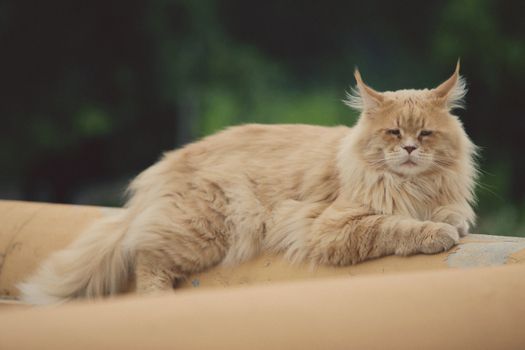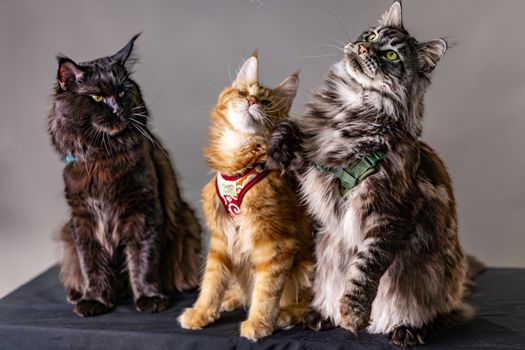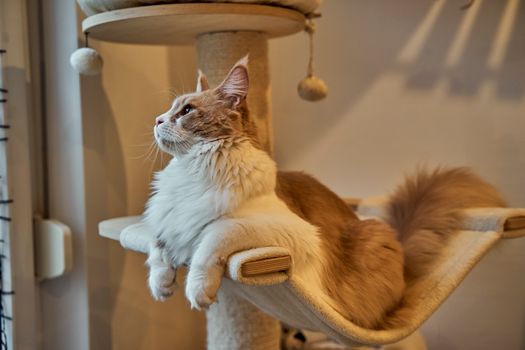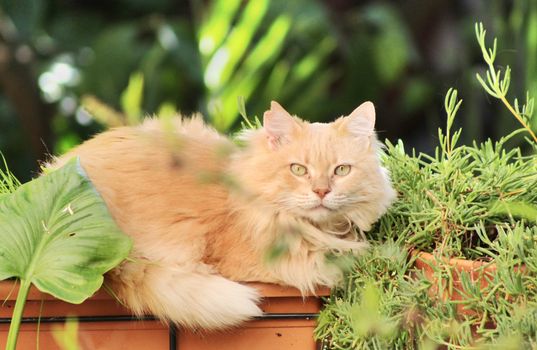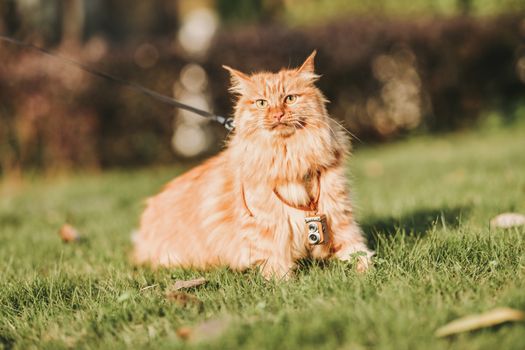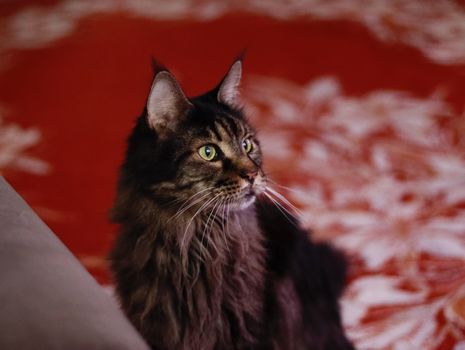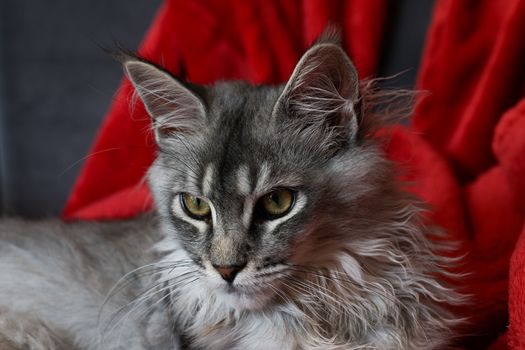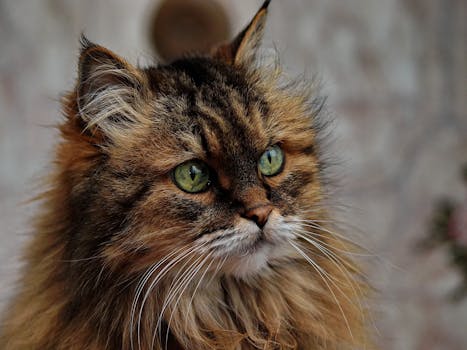
Selecting the right diet for your Maine Coon cat is not just about picking the most expensive bag of kibble off the shelf. These majestic felines, known for their large size, playful personalities, and luxurious coats, have distinct nutritional needs that set them apart from other breeds. Whether you’re a new Maine Coon owner or looking to optimize your long-time companion’s health, understanding the nuances of their dietary requirements is key to ensuring a long, vibrant life.
Maine Coons are the largest domesticated cat breed, with males typically weighing between 13 to 18 pounds and females from 8 to 12 pounds. Their slow growth rate—they often don’t reach full maturity until 3 to 5 years of age—means that their nutritional needs change over time. This guide will help you make informed decisions about your Maine Coon’s diet, exploring everything from protein content to wet vs. dry food, and how to adapt their meals as they age.
Understanding the Unique Nutritional Needs of Maine Coons
Maine Coons require more calories and nutrients than the average housecat due to their larger size and active nature. According to the Association of American Feed Control Officials (AAFCO), the average adult cat requires about 200-250 calories per day. However, a Maine Coon may need between 350-500 calories daily, depending on age, activity level, and metabolism.
.png)
Protein is a cornerstone of their diet. Experts recommend that Maine Coons consume food with at least 30% high-quality animal protein on a dry matter basis. This supports their robust muscles and energetic disposition. In addition, Maine Coons benefit from a diet rich in omega-3 and omega-6 fatty acids, which help maintain their thick double coats and support joint health.
Carbohydrates should be kept minimal—cats are obligate carnivores, and too many carbs can lead to obesity and diabetes. Look for diets with less than 15% carbohydrates. The right balance of vitamins and minerals, such as taurine, calcium, and phosphorus, also plays a crucial role in heart health and bone strength.
Wet Food vs. Dry Food: Which Is Better for Maine Coons?
Pet owners often debate whether wet or dry food is the best choice for their Maine Coon. Each type has its own set of advantages and drawbacks:
| Aspect | Wet Food | Dry Food |
|---|---|---|
| Moisture Content | 70-80% | 10-12% |
| Dental Health | Less effective in cleaning teeth | Helps reduce tartar buildup |
| Convenience | Must be refrigerated after opening; spoils quickly | Easy to store and serve; longer shelf life |
| Caloric Density | Less calorie-dense; suitable for weight management | More calorie-dense; good for active or underweight cats |
| Cost | Generally more expensive per serving | Usually more economical |
For Maine Coons, a combination of both wet and dry food can offer the best of both worlds. Wet food provides hydration—a crucial benefit, as cats naturally have a low thirst drive—while dry food supports dental health and is convenient for busy owners. Some veterinarians suggest that at least 50% of a cat’s daily intake should be from wet food to promote kidney health and prevent urinary tract issues, which Maine Coons can be prone to.
Decoding Cat Food Labels: What to Look for and What to Avoid
Navigating the pet food aisle can be overwhelming, with countless brands and formulations vying for your attention. Here’s how to cut through the marketing and ensure you’re choosing the right product for your Maine Coon:
- $1 Always select foods where a named animal protein (like chicken, salmon, or turkey) is listed first. Avoid ambiguous terms like “meat by-products.” - $1 Look for a nutritional adequacy statement from the AAFCO, which indicates the food is “complete and balanced” for your cat’s life stage. - $1 For Maine Coons, target at least 30% protein and 15-20% fat for adults. For kittens, slightly higher protein and fat are beneficial for growth. - $1 Avoid foods with excessive fillers such as corn, wheat, or soy, as well as artificial colors, flavors, and preservatives. - $1 Taurine is an essential amino acid for cats. Deficiencies can be fatal, leading to heart and vision problems. Ensure taurine is listed as an ingredient.A study published in the Journal of Feline Medicine and Surgery in 2020 found that 1 in 5 commercial cat foods did not meet the recommended taurine levels, underscoring the importance of reading labels carefully.
Special Dietary Considerations for Maine Coons at Different Life Stages
Maine Coons go through distinct life stages, each with unique dietary needs:
- $1 Require higher protein (up to 35%) and fat (up to 25%) to support rapid growth, strong bones, and proper organ development. Calcium and phosphorus are especially important in this phase. - $1 The focus shifts to maintaining muscle mass, coat health, and preventing obesity. Maintain moderate protein and fat, and monitor portion sizes closely. - $1 Older Maine Coons may need fewer calories due to decreased activity but often benefit from increased antioxidants, omega-3 fatty acids, and joint supplements such as glucosamine and chondroitin to support aging joints and brain health.If your Maine Coon has specific health concerns such as hypertrophic cardiomyopathy (HCM)—a condition to which the breed is genetically predisposed—work with your veterinarian to choose a diet tailored to support heart function, often lower in sodium and supplemented with taurine and L-carnitine.
Raw, Home-Cooked, or Commercial Diet: Making the Best Choice for Your Maine Coon
Some cat owners consider alternative diets, such as raw or home-cooked meals, in hopes of providing a more natural or tailored nutrition plan. Each approach has advantages and potential risks:
- $1 Proponents argue raw diets mimic a cat’s ancestral diet and can improve coat condition and digestion. However, a 2018 study found that 23% of raw pet foods tested positive for harmful bacteria like Salmonella and Listeria. Raw diets must be prepared with veterinary guidance to avoid nutritional imbalances and foodborne illnesses. - $1 These give you complete control over ingredients but require precise recipes to ensure all nutritional needs are met. Supplementation is often necessary; otherwise, cats can develop deficiencies in taurine, calcium, or other vital nutrients. - $1 Most owners find high-quality commercial diets to be the safest and most convenient choice. Brands that specialize in large breeds or have breed-specific formulas can be a good option for Maine Coons.Before switching to a raw or home-cooked diet, consult with a veterinary nutritionist. Even small errors in formulation can have significant long-term effects on your cat’s health.
Portion Control and Feeding Schedules: Preventing Obesity in Maine Coons
Maine Coons are particularly prone to obesity due to their hearty appetites and sociable nature—many will eat whatever is offered. According to a 2022 survey by the Association for Pet Obesity Prevention, 59% of cats in the U.S. are overweight or obese. Here’s how to keep your Maine Coon at a healthy weight:
- $1 Use a kitchen scale or measuring cup rather than free-feeding. Adjust portions based on your cat’s age, weight, and activity level. - $1 Offer two to three meals per day rather than leaving food out all day, which helps regulate calorie intake and establishes a routine. - $1 Learn to assess your cat’s body condition score (BCS). You should be able to feel, but not see, their ribs, and they should have a visible waist when viewed from above.If you notice rapid weight gain, consult your veterinarian to rule out underlying health issues and adjust the feeding plan as needed. Obesity can lead to diabetes, arthritis, and a shortened lifespan.
Final Thoughts on Choosing the Right Diet for Your Maine Coon
Feeding your Maine Coon is more than just a daily chore—it’s an investment in their health, happiness, and longevity. By understanding their unique nutritional needs, carefully reading food labels, and making informed decisions about diet type and portion sizes, you can help your Maine Coon thrive at every stage of life. Remember, no single diet fits all cats; regular check-ups and honest discussions with your veterinarian are essential to fine-tune your cat’s nutrition as their needs evolve.