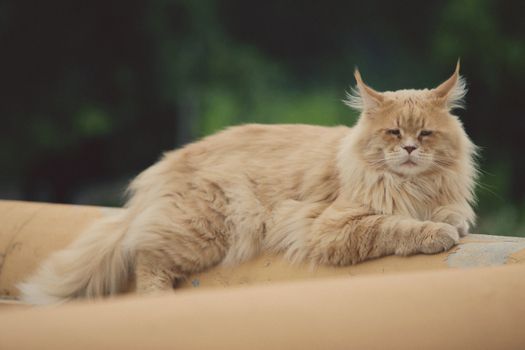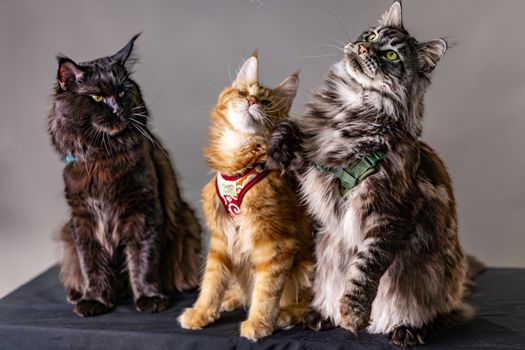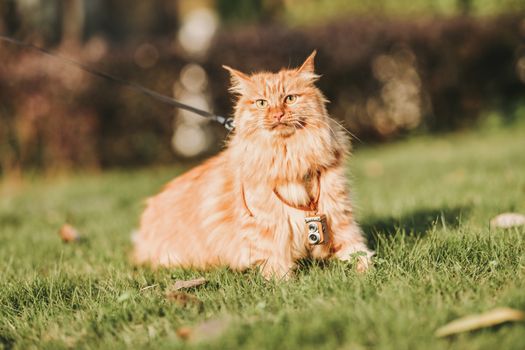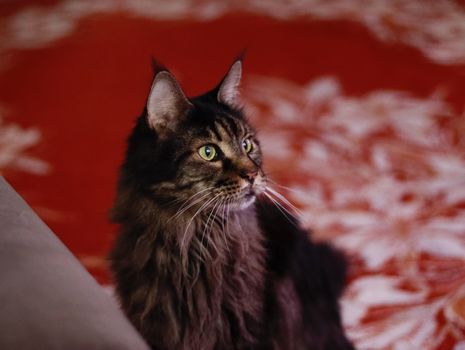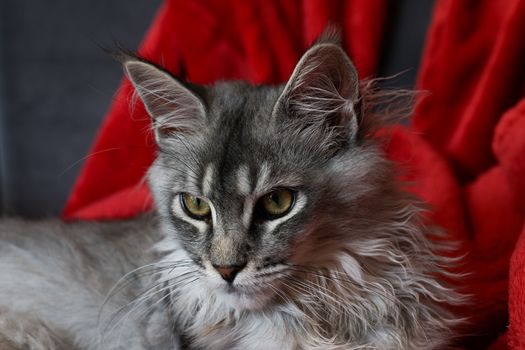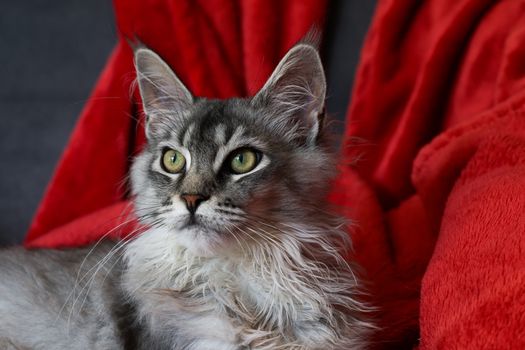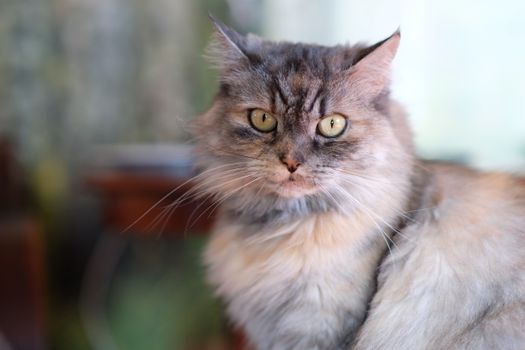
Maine Coons are renowned for their intelligence, sociable nature, and striking appearance. As one of the largest domesticated cat breeds, they bring a unique combination of playfulness and gentle temperament to households. If you’re introducing a Maine Coon to a home with existing pets, or vice versa, you might wonder: how do you ensure a smooth transition and foster positive relationships among your furry companions? Socializing a Maine Coon with other pets is a process that requires patience, understanding, and a thoughtful approach. This step-by-step guide will take you through proven strategies, highlight key differences between socializing Maine Coons and other breeds, and offer practical tips for multi-pet harmony.
Understanding Maine Coon Social Behavior
Before diving into the socialization process, it’s essential to recognize the characteristics that set Maine Coons apart from other cats. Known as the “gentle giants” of the cat world, Maine Coons typically display a friendly and adaptable nature. According to the Cat Fanciers’ Association, Maine Coons consistently rank among the top five most popular cat breeds in the United States, largely due to their affectionate personalities.
Maine Coons are: - Highly intelligent and curious - Adaptable to new environments - Generally sociable with both humans and other animals - Playful well into adulthoodHowever, like all cats, individual personalities vary. Some Maine Coons may be more reserved, while others are outgoing from day one. Understanding your cat’s temperament is a crucial first step in planning a successful introduction to other pets.
.png)
Preparing Your Home for Multi-Pet Introductions
A successful introduction starts with careful preparation. Cats, including Maine Coons, are territorial creatures. Sudden changes or new animals can be stressful, leading to unwanted behaviors such as hiding, hissing, or even aggression. Here’s how to set the stage for a positive experience:
1. $1 Designate separate areas for each pet. Use baby gates, closed doors, or pet pens to ensure that your Maine Coon and your resident pet(s) have their own territory to retreat to during the initial phase. 2. $1 Ensure each pet has their own food bowls, litter boxes, and resting spots. The American Association of Feline Practitioners recommends one litter box per cat, plus one extra, to minimize territorial disputes. 3. $1 Begin by swapping bedding or toys between your Maine Coon and your other pets. This allows them to become accustomed to each other’s scent in a non-threatening way, laying the groundwork for a less stressful physical introduction. 4. $1 Before any introductions, make sure all pets are up to date on vaccinations and health checks. Parasites or illnesses can spread quickly in multi-pet households, especially during the stress of transition.Step-by-Step Process for Socializing Maine Coons with Other Pets
Introducing a Maine Coon to other pets should be a gradual process. Rushing can lead to setbacks, while patience increases the likelihood of lasting harmony. Below is a step-by-step approach suitable for most scenarios, whether you’re introducing your Maine Coon to another cat, a dog, or smaller pets.
$1
- On day one, keep your Maine Coon and your existing pet(s) in separate rooms. - Allow them to investigate each other’s scent under the door.$1
- After 1-3 days of scent exchange, allow the pets to see each other through a barrier such as a baby gate or a slightly open door. - Observe their body language. Look for signs of curiosity (sniffing, relaxed tails) rather than aggression (growling, swatting).$1
- When both pets appear calm, allow them to share a room under close supervision. - Keep initial meetings brief—5 to 10 minutes is often enough. - Use treats or toys as positive reinforcements for calm behavior.$1
- Over several days, gradually increase the length and frequency of their interactions. - If tensions arise, return to the previous step and proceed more slowly.$1
- Once your Maine Coon and the other pet consistently interact peacefully under supervision, you can allow unsupervised time together. - Continue to provide separate resources to prevent competition.$1 When socializing a Maine Coon with a dog, keep the dog on a leash during initial meetings. For small pets (like rabbits or guinea pigs), always supervise interactions; never leave them alone together, as natural hunting instincts may emerge.
Comparing Maine Coon Socialization with Other Breeds
Maine Coons are often more tolerant and sociable than many other cat breeds, but how do they compare in a multi-pet environment? The table below outlines key differences to consider:
| Aspect | Maine Coon | Other Cat Breeds | Small Dogs |
|---|---|---|---|
| Sociability | High; often seeks company | Varies; some breeds are aloof | Usually sociable, can be excitable |
| Adaptability to New Pets | High; adapts well with gradual intro | Medium; some breeds resist change | High; often eager to meet new animals |
| Playfulness with Others | Very playful, especially as kittens | Depends on breed and age | High, especially in toy and herding breeds |
| Territorial Behavior | Moderate; less territorial than average | High in some breeds (e.g., Siamese) | Varies; can be territorial with food/toys |
| Prey Drive | Low to moderate | Varies; high in some breeds (e.g., Bengals) | Low to moderate |
This comparison illustrates why Maine Coons are often successful in multi-pet homes, but also emphasizes the importance of understanding the personalities involved.
Common Challenges and How to Overcome Them
Despite their reputation for sociability, you may encounter obstacles during the socialization process. Here are some common challenges and strategies for addressing them:
1. $1 New pets often express fear or uncertainty through vocalizations or swatting. Don’t punish these behaviors; instead, separate the animals and try again later. Use pheromone diffusers like Feliway to reduce stress. 2. $1 Ensure each pet has their own food, water, and litter box. If you notice one pet guarding resources, increase the number of resources and provide more space. 3. $1 If a dog tries to chase your Maine Coon, keep the dog on a leash during introductions. Reward calm behavior and redirect attention with toys. 4. $1 Maine Coons may hide if overwhelmed. Offer hiding spots, and allow your cat to emerge at their own pace. Forcing interaction can set back progress.According to a 2021 survey by the American Pet Products Association, 70% of U.S. households own a pet, and multi-pet households are increasingly common. Challenges are normal, but with patience, the vast majority of pets can learn to coexist peacefully.
Tips for Long-Term Harmony Among Pets
Even after successful introductions, maintaining good relationships between your Maine Coon and other pets requires continued effort. Here are some strategies:
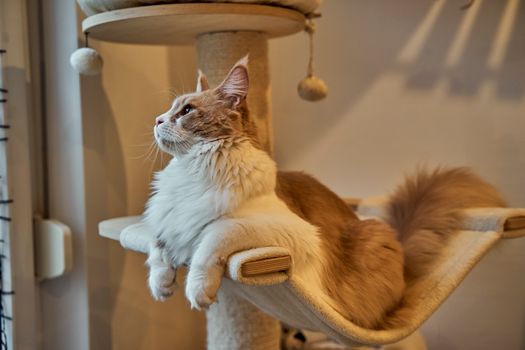
- $1 Keep feeding, play, and rest times consistent to reduce stress. - $1 Provide vertical spaces (cat trees, shelves) for your Maine Coon to escape or observe from above, especially if dogs or active children are present. - $1 Basic commands for dogs and positive reinforcement for cats can prevent many problems. - $1 Regular veterinary checkups, parasite prevention, and grooming help prevent health issues that could lead to aggression or withdrawal. - $1 Watch for signs of bullying, stress, or illness. Early intervention is key.A study from the Journal of Veterinary Behavior found that cats in multi-pet households that receive daily playtime and environmental enrichment are 40% less likely to develop behavioral issues.
Final Thoughts on Socializing Maine Coons with Other Pets
Bringing a Maine Coon into a multi-pet household—or introducing new pets to your Maine Coon—can be a deeply rewarding experience. With their affectionate nature and adaptability, Maine Coons are often excellent companions for cats, dogs, and even smaller pets. However, success depends on careful planning, gradual introductions, and ongoing support. By understanding your pets’ needs, respecting their boundaries, and fostering positive associations, you can create a harmonious and happy home for all. Remember, every pet is unique—progress may be quick or slow, but with patience and love, most Maine Coons thrive in multi-animal families.