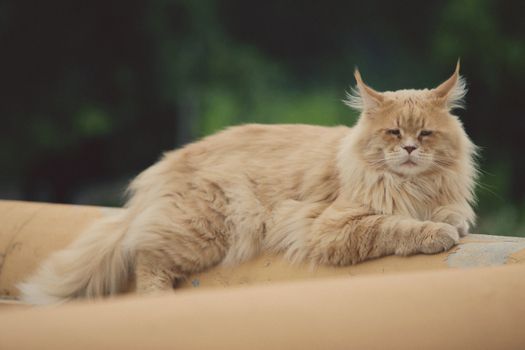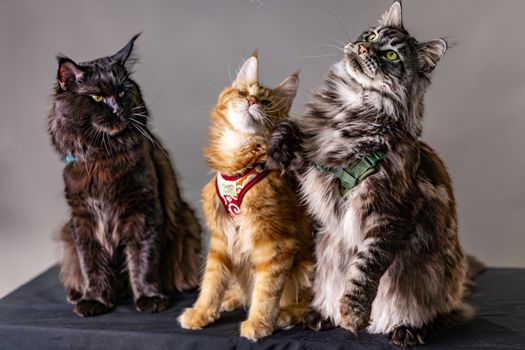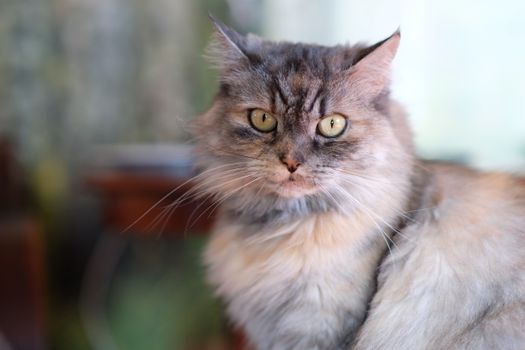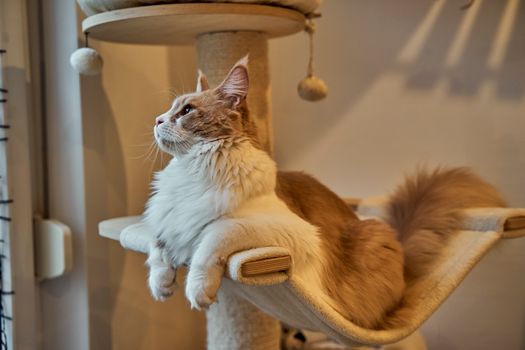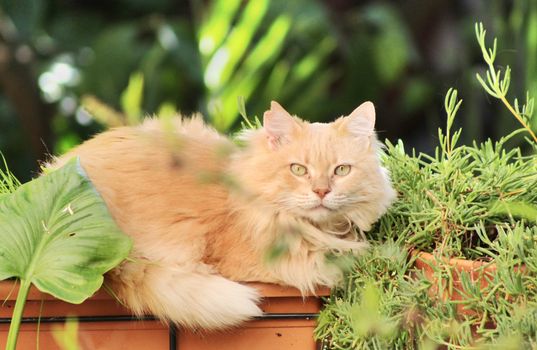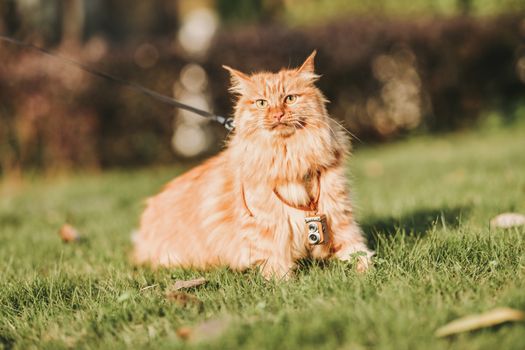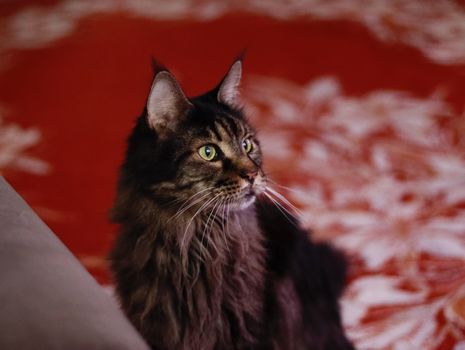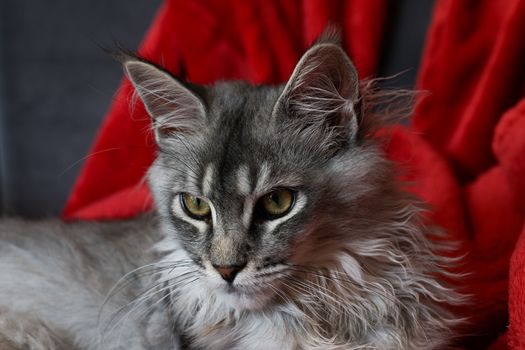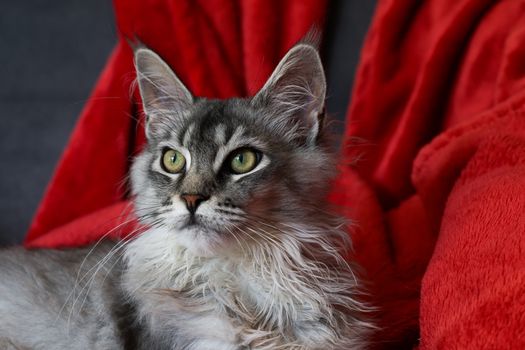
Maine Coons are renowned for their majestic, flowing coats and captivating appearance. Their fur, a signature feature, sets them apart from other cat breeds—not only in beauty but in the level of care it requires. Properly maintaining Maine Coon fur is essential for your cat’s health, comfort, and appearance. Unlike short-haired breeds, Maine Coons need specialized grooming routines and environmental considerations to keep their coats in top condition. In this article, we’ll explore the unique characteristics of Maine Coon fur, advanced grooming strategies, solutions for seasonal shedding, the impact of diet and environment, and how to handle common fur-related concerns. Whether you’re a new Maine Coon owner or a seasoned enthusiast, you’ll find actionable tips and expert advice for maintaining your feline’s luxurious mane.
Understanding Maine Coon Fur: Unique Features and Challenges
Maine Coons possess one of the most unique and complex fur types among domestic cats. Their double-layered coat consists of a soft, insulating undercoat and a longer, water-resistant topcoat. This evolutionary adaptation originally helped Maine Coons survive cold New England winters, but it also presents distinct grooming challenges for today’s pet owners.
Key characteristics of Maine Coon fur: - Length: The fur can reach up to 6 inches in length, especially around the ruff (neck), belly, and tail. - Texture: The undercoat is fine and soft, while the topcoat is glossy and slightly oily to repel water. - Density: Maine Coons have more hair follicles per square inch than most other cats, contributing to their thick appearance. - Shedding: While Maine Coons are not hypoallergenic, their fur does not shed as continuously as some breeds. Instead, they experience seasonal "blowouts" where much of the undercoat is shed.These features make Maine Coon fur both striking and high-maintenance. Without proper care, it can easily become tangled, matted, or even harbor hidden skin problems.
.png)
Advanced Grooming Techniques for Maine Coon Owners
Basic brushing is only the beginning for Maine Coon grooming. To truly maintain their luxurious coats, owners should adopt advanced techniques and tools designed specifically for long-haired breeds.
Recommended grooming practices: - Dual-Brush Approach: Use a wide-toothed comb to detangle mats, followed by a slicker brush to remove loose fur and debris. - Frequency: Brush your Maine Coon at least 3-4 times per week, and daily during heavy shedding periods (typically spring and fall). - Detangling Sprays: Specialized, cat-safe detangling sprays can help ease out stubborn knots without hurting your cat. - Fur Trimming: While Maine Coons shouldn’t be shaved, strategic trimming around the hindquarters and belly can prevent litter box debris and matting. - Nail and Paw Care: Long fur between the toes can trap dirt. Trim tufts carefully with blunt-tipped scissors to prevent irritation.Pro tip: Start grooming routines early in kittenhood to help your Maine Coon become comfortable with handling and tools. Always reward calm behavior with treats or affection.
Managing Seasonal Shedding and Preventing Matting
Maine Coons experience significant seasonal shedding, especially in spring when they lose their dense winter undercoat. During these times, proactive care is crucial to prevent mats and hairballs.
Table: Shedding & Matting Prevention Comparison
| Method | Frequency | Effectiveness | Notes |
|---|---|---|---|
| Daily Brushing | Daily during shedding | High | Best for removing loose undercoat |
| Deshedding Tools (e.g., Furminator) | 1-2 times/week | Very High | Removes deep undercoat but can irritate skin if overused |
| Bathing | Every 4-8 weeks | Moderate | Use cat-safe shampoo; helps loosen dead hair |
| Professional Grooming | Every 2-3 months | High | Especially helpful for cats with severe matting |
Diet and Environment: Supporting a Healthy Coat from Within
A Maine Coon’s coat health starts from the inside out. Nutritional deficiencies or environmental stressors can quickly manifest as dull, brittle, or excessively shedding fur.
Key factors for optimal coat health: - High-Quality Protein: Maine Coons require protein-rich diets to maintain their thick fur. Look for foods with at least 35% protein content, primarily from animal sources. - Omega Fatty Acids: Omega-3 and Omega-6 fats, found in salmon oil or flaxseed, are proven to enhance coat gloss and reduce skin inflammation. According to the Journal of Animal Physiology, cats supplemented with omegas showed a 25% improvement in coat shine and softness after 8 weeks. - Hydration: Dry skin and fur are often linked to inadequate water intake. Ensure fresh, clean water is always available. - Stress Reduction: Stress can trigger excess shedding. Provide your Maine Coon with safe spaces, regular play sessions, and avoid sudden changes in their environment. Environmental tips: - Control indoor humidity (ideally 40-60%) to keep skin and fur supple. - Avoid over-bathing, as it can strip natural oils and exacerbate dryness.Tackling Common Maine Coon Fur Problems
Despite your best efforts, Maine Coon fur can sometimes develop issues that require special attention. Here’s how to address some of the most common problems:
1. Mats and Tangles: If brushing and detangling sprays don’t work, use a dematting tool and gently tease apart the mat. For severe or sensitive areas, seek a professional groomer. 2. Hairballs: Maine Coons groom themselves more due to their coat length, leading to frequent hairballs. Add a hairball control formula to their diet or use lubricating gels recommended by your vet. 3. Dull or Oily Fur: This can indicate dietary imbalances, lack of grooming, or underlying health issues such as thyroid problems. Consult your vet if changes in fur texture or appearance persist. 4. Fleas and Parasites: Long fur provides hiding spots for pests. Use monthly flea prevention and check regularly, especially if your cat goes outdoors. 5. Skin Irritations: Watch for redness, flaking, or excessive scratching. These could indicate allergies, fungal infections, or dermatitis—prompt veterinary care is important.Fact: According to a 2022 study by the American Veterinary Medical Association, up to 18% of Maine Coons over age 5 develop some form of skin or coat disorder, underlining the importance of regular checks and grooming.
Tools and Products for Superior Maine Coon Fur Care
The right equipment and products can make a huge difference in your Maine Coon’s grooming routine. Here are expert-recommended items:
- Wide-Tooth Comb: Essential for untangling and removing loose undercoat without pulling. - Slicker Brush: Perfect for finishing touches and collecting surface debris. - Dematting Tool: Designed to break up stubborn mats safely. - Cat-Safe Detangling Spray: Eases brushing and minimizes fur breakage. - Furminator or Deshedding Tool: Highly effective for deep undercoat removal. - Cat-Safe Shampoo: Choose hypoallergenic, moisturizing formulas for sensitive skin.Always clean and disinfect grooming tools regularly to prevent the spread of bacteria or fungi.
Final Thoughts on Maine Coon Fur Maintenance
Caring for Maine Coon fur is both a responsibility and a privilege. Their magnificent coats demand more than occasional brushing—they require a thoughtful, holistic approach that combines advanced grooming, smart nutrition, and environmental awareness. By investing time in regular grooming, providing a proper diet, and monitoring for signs of trouble, you ensure your Maine Coon remains healthy, comfortable, and breathtakingly beautiful. Remember, a well-maintained coat is not just about aesthetics; it’s a vital part of your cat’s overall well-being.