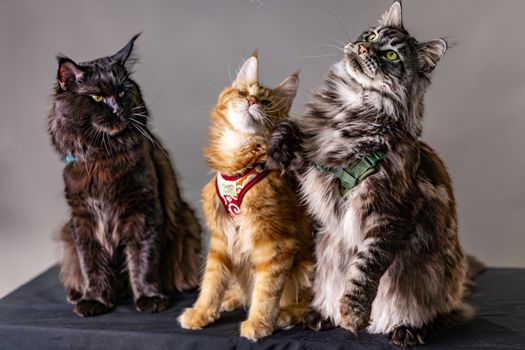
Maine Coon and Its Specific Behavior: What You Should Know
The Maine Coon cat has captivated feline enthusiasts for centuries, not only for its impressive size and luxurious fur but also for its distinct personality and behaviors. Recognized as the largest domestic cat breed, the Maine Coon’s unique behavioral traits set it apart from other cats. Whether you’re considering welcoming a Maine Coon into your life or are simply curious about what makes these gentle giants tick, understanding their specific behaviors is essential. Let’s explore what makes the Maine Coon’s temperament so special, how they communicate, and which behaviors you should anticipate as an owner.
The Maine Coon’s Social Nature: More Than Just a Pet
Maine Coons are often referred to as the “dogs of the cat world,” and for good reason. Unlike many other breeds that prefer solitude, Maine Coons are highly social and thrive on companionship. According to the Cat Fanciers’ Association, Maine Coons consistently rank among the top five most popular cat breeds in the United States, largely due to their friendly personalities.
This breed forms strong bonds with its human family and is known to follow owners from room to room, seeking involvement in daily activities. Maine Coons are not typically lap cats, but they enjoy being nearby, often perching on a favorite chair or lounging at your feet. Their loyalty can be compared to that of a dog, and many owners report their Maine Coons greet them at the door, engage in games of fetch, and even respond to their names.
.png)
It’s important to provide them with regular social interaction, as they can become lonely if left alone for extended periods. If your lifestyle requires long hours away from home, consider adopting two Maine Coons or providing a compatible companion animal. This prevents boredom and the development of unwanted behaviors due to loneliness.
Intelligence and Play: The Curious Maine Coon Mind
The Maine Coon is renowned for its intelligence, curiosity, and playfulness. These cats excel at puzzle toys and interactive games, and their knack for problem-solving is extraordinary. Studies have shown that intelligent breeds like the Maine Coon require mental stimulation to thrive; without it, they may invent their own forms of entertainment, which sometimes include opening cupboards or turning on faucets.
Maine Coons remain kitten-like well into adulthood. Their playful antics can last for years, with many owners reporting that their cats enjoy games of fetch or chasing after laser pointers. These cats also have a fascination with water—a trait that is rare among felines. It’s not uncommon to find a Maine Coon dipping its paws into a water bowl or exploring a dripping faucet.
To keep your Maine Coon engaged:
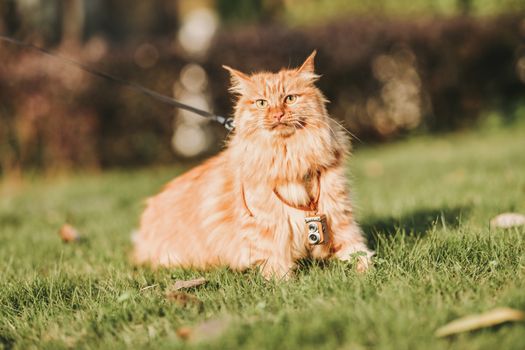
- Rotate their toys regularly to avoid boredom. - Provide interactive puzzle feeders. - Set aside daily playtime. - Encourage safe water play with fountains or shallow basins.Their intelligence also means Maine Coons are highly trainable. Some owners have successfully taught their Maine Coons to walk on a leash, perform tricks, or even use a toilet. Consistency and positive reinforcement are key when training this breed.
Communication: The Maine Coon’s Unique Vocalizations
While many cats are known for their meows, the Maine Coon communicates in a variety of charming ways. This breed is famous for its trills, chirps, and soft coos rather than the typical loud meow. These vocalizations are often used to greet owners, express curiosity, or request attention.
Maine Coons are not overly vocal compared to breeds like the Siamese, but their sounds are distinctive and endearing. For example, a Maine Coon may chirp when spotting a bird outside the window or trill when being petted. Understanding their vocal cues can deepen your bond and help you respond to their needs more effectively.
According to a 2021 survey by the International Cat Association, 72% of Maine Coon owners describe their cats as “communicative” or “talkative,” but in a gentle, melodious way rather than a demanding one. This subtle yet expressive communication style is part of the breed's charm and is often cited as a reason for their popularity.
Adaptability and Environmental Preferences
Maine Coons are exceptionally adaptable, a trait rooted in their origins as working cats on farms in the harsh climates of Maine. They are comfortable in various environments, from busy urban apartments to quiet rural homes, as long as they receive adequate stimulation and companionship.
Their adaptability extends to new family members, including children and other pets. The Maine Coon’s easygoing nature means they are often first to accept a new dog or baby in the home, and they rarely display aggression without provocation.
However, Maine Coons do have some environmental preferences and sensitivities:
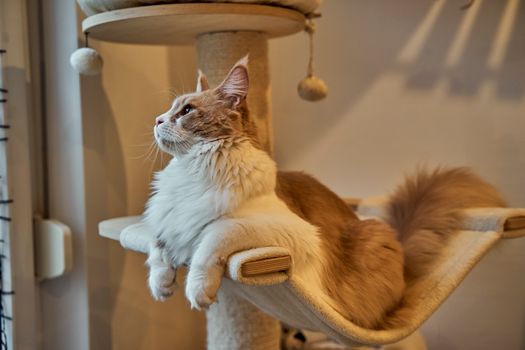
- They prefer a stable routine but adjust well to gradual changes. - Maine Coons enjoy vertical spaces—cat trees and shelves are favorites. - They may seek out cool floors in hot weather, thanks to their dense fur. - Their large size requires roomy litter boxes and sturdy scratching posts.Owners should be mindful of these needs to create a comfortable and enriching home environment for their Maine Coon.
Maine Coon Behavior vs. Other Popular Cat Breeds
Understanding how the Maine Coon’s behaviors compare to other breeds can help prospective owners make informed choices. Here’s a comparative overview of key behavioral traits among popular cat breeds:
| Behavior Trait | Maine Coon | Siamese | Persian | Bengal |
|---|---|---|---|---|
| Social Needs | Very High | High | Moderate | High |
| Vocalization | Chirps/Trills (Soft) | Loud Meows | Quiet | Chirps/Meows |
| Playfulness | High (Lifelong) | High | Low to Moderate | Very High |
| Adaptability | Very High | Moderate | Low | High |
| Trainability | High | High | Low | Moderate to High |
| Affection Level | Very Affectionate | Affectionate | Quietly Affectionate | Affectionate |
As shown above, Maine Coons combine high sociability, intelligence, and playfulness with a soft-spoken style of communication and remarkable adaptability. These traits make them excellent companions for families, singles, and multi-pet households alike.
Understanding Maine Coon Quirks and Common Behavioral Challenges
While Maine Coons are celebrated for their gentle and playful nature, they do have some quirky habits and potential behavioral challenges:
- $1: Their love for water can lead to playful messes in kitchens and bathrooms. - $1: Some Maine Coons may become possessive of favorite toys or food, especially in multi-pet homes. - $1: Though not loud, Maine Coons will chirp or trill persistently when they want interaction. - $1: Their curiosity can lead them into places you’d least expect, so cat-proofing your home is a wise move.In rare cases, behavioral problems such as excessive shyness or aggression may develop. These are often linked to inadequate socialization during kittenhood or stressful changes in the environment. Addressing such issues with positive reinforcement, patience, and, if needed, professional advice from a feline behaviorist can usually restore harmony.
Final Thoughts on Maine Coon Behavior: Is This the Cat for You?
The Maine Coon’s behavior is as grand as its size: sociable, intelligent, playful, and gentle. Their unique blend of canine-like loyalty and classic feline curiosity makes them stand out among domestic cats. If you seek an affectionate, adaptable, and entertaining companion—and are ready to provide the interaction and stimulation they need—a Maine Coon may be the perfect addition to your home.
Their specific behaviors, from water play to soft trills, are not just quirks but reflections of a breed that has evolved to thrive alongside humans. By understanding and embracing these traits, you’ll ensure a rewarding relationship with your Maine Coon for years to come.