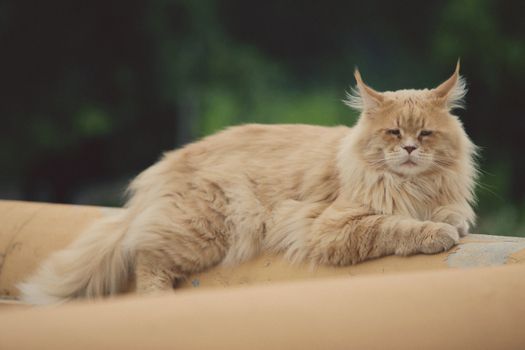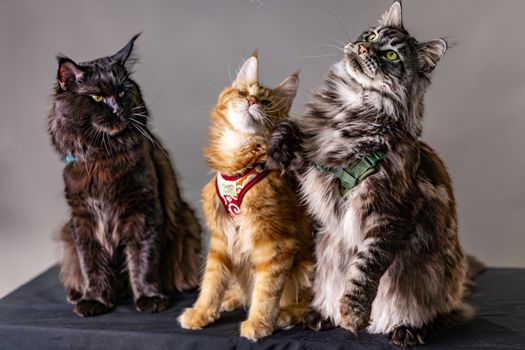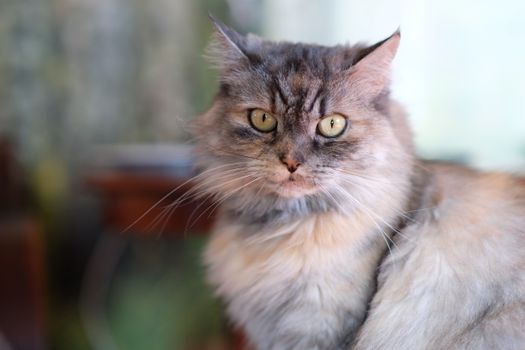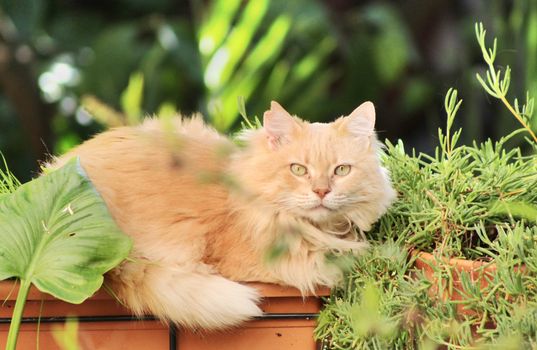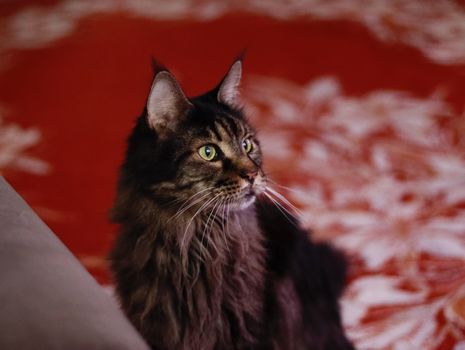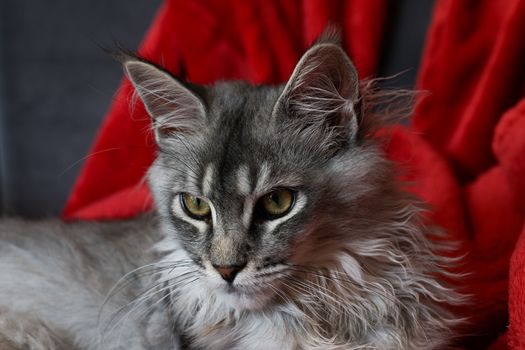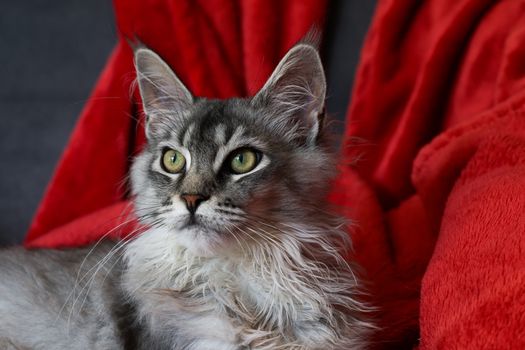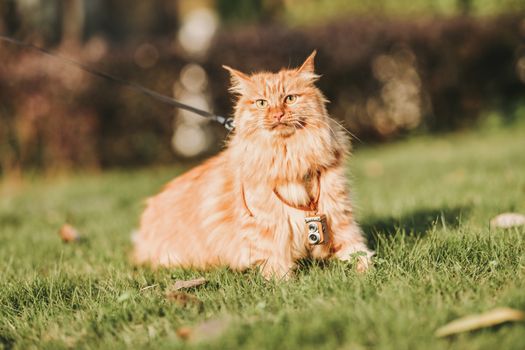
Maine Coon cats are renowned for their impressive size, intelligence, and friendly personalities. Many owners want to offer their Maine Coons the adventure and enrichment of the outdoors. However, letting a Maine Coon roam outside comes with unique risks and responsibilities. Ensuring the safety of your Maine Coon outdoors requires thoughtful planning, awareness of potential dangers, and practical measures to protect your beloved feline. This guide explores essential strategies and recommendations for keeping your Maine Coon safe while enjoying the best of both worlds.
Understanding the Risks: Why Maine Coons Need Extra Outdoor Safety
Maine Coons are the largest domesticated cat breed, with males often weighing 13–18 pounds and females 8–12 pounds. Their curious nature and sociable temperament can make outdoor exploration especially appealing—but also risky. According to the American Humane Association, outdoor cats have an average lifespan of just 2–5 years, compared to 12–15 years for indoor cats. Common threats include:
- Traffic accidents: Over 5 million cats are killed on roads annually in the U.S. alone. - Predators: Coyotes, dogs, raptors, and even other cats can pose dangers. - Poisonous plants and chemicals: Exposure to antifreeze, pesticides, or toxic flora. - Infectious diseases: Outdoor cats are more likely to contract FIV, FeLV, and parasites. - Getting lost or stolen: Maine Coons’ striking appearance can make them targets for theft.With their thick, luxurious fur, Maine Coons can also become overheated or pick up burrs and debris more easily than short-haired breeds. Understanding these unique vulnerabilities is the first step toward responsible outdoor access.
.png)
Creating a Safe Outdoor Space: Enclosures and Catios
One of the best ways to let your Maine Coon experience the outdoors safely is by providing a controlled environment. Outdoor cat enclosures—often called "catios"—are growing in popularity among cat owners. These structures offer fresh air, sunlight, and stimulation while keeping your pet protected from hazards.
Benefits of catios and enclosures for Maine Coons include:
- Protection from predators and vehicles - No risk of your cat wandering off or getting lost - Reduced exposure to diseases and parasites - Space for climbing, lounging, and playingCatios come in a range of sizes, from small window boxes to large, walk-in structures. Many are made of sturdy wire mesh and can be customized with shelves, ramps, and perches to satisfy your Maine Coon’s love of climbing.
For those who want their Maine Coon to spend time in the yard, a fully fenced and cat-proofed garden is another option. Specialized fencing with inward-facing overhangs can prevent agile cats from escaping. Always check for gaps under fences and remove tempting hiding spots where your cat could get stuck.
Supervised Outdoor Adventures: Harness Training Your Maine Coon
Harness training is an excellent way to allow your Maine Coon safe, supervised outdoor exploration. Maine Coons are known for their intelligence and adaptability, making them good candidates for leash walking with patience and positive reinforcement.
How to start harness training:
1. Choose a harness designed for large cats—ensure it fits snugly but comfortably. 2. Introduce the harness indoors, letting your cat sniff and explore it. 3. Practice putting the harness on for short periods, rewarding calm behavior with treats. 4. Attach a lightweight leash and let your cat drag it indoors before venturing outside. 5. Begin outdoor sessions in a quiet, enclosed space, gradually increasing duration and distance.According to a 2022 PetSafe survey, over 25% of cat owners have tried harness training, with Maine Coon owners reporting especially high success rates. Always supervise your cat closely—never leave a harnessed cat unattended outdoors.
Health Precautions: Vaccinations, Microchipping, and Parasite Prevention
Before letting your Maine Coon outdoors, even in a controlled environment, it’s essential to address their health and identification:
- Vaccinations: Ensure your cat is up-to-date on core vaccines, including FVRCP and rabies. Outdoor cats may need additional immunizations like FeLV. - Microchipping: Microchipped cats are more than 20 times more likely to be reunited with owners if lost, according to the American Veterinary Medical Association. - Parasite protection: Outdoor cats are at higher risk for fleas, ticks, and intestinal parasites. Use vet-approved preventatives and check your Maine Coon’s fur and ears regularly.Regular veterinary checkups are crucial for early detection of health issues that can arise from outdoor exposure, such as wounds, abscesses, or parasites. Check your Maine Coon’s thick coat after every outdoor adventure for ticks, burrs, or signs of injury.
Outdoor Enrichment: Safe Ways to Stimulate Your Maine Coon
Maine Coons are playful, energetic, and highly intelligent. Enriching outdoor experiences can satisfy their natural curiosity and reduce the risk of boredom-related behaviors. Here are activities to consider:
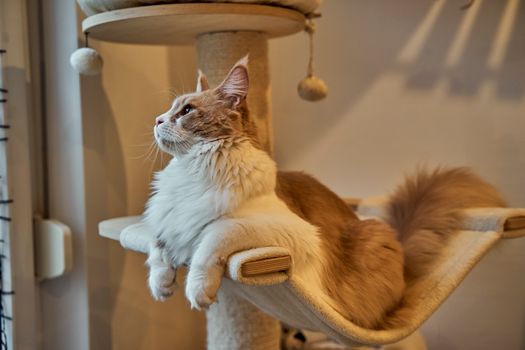
- Interactive toys: Use fishing pole toys, feather wands, or treat puzzles in your catio or yard. - Climbing structures: Maine Coons love vertical space. Add cat trees, shelves, or secure logs. - Water features: Many Maine Coons are fascinated by water; a shallow, supervised fountain or pond can provide entertainment. - Bird watching: Place bird feeders outside the enclosure for safe wildlife viewing.Rotate toys and introduce new scents (like cat-safe herbs) to keep your Maine Coon mentally stimulated. Avoid toxic plants such as lilies, azaleas, and oleander in any outdoor spaces your cat can access.
Comparing Outdoor Safety Options for Maine Coons
With several ways to give your Maine Coon outdoor access, it’s important to weigh the pros and cons of each approach. Below is a comparison table to help you choose the best solution for your household.
| Outdoor Option | Safety Level | Enrichment | Supervision Needed | Cost Estimate |
|---|---|---|---|---|
| Catios/Enclosures | Very High | High | Minimal | $300–$2,000+ |
| Harness & Leash Walks | High | Moderate–High | Constant | $20–$60 |
| Fenced Cat-Proof Yard | Moderate | High | Occasional | $500–$3,000+ |
| Free Roaming | Low | Very High | None | $0 |
As shown, catios and harness walks offer the greatest safety, while free roaming exposes Maine Coons to significant risks. The initial investment in a catio or secure fencing is often outweighed by reduced vet bills and the peace of mind knowing your pet is safe.
Preparing for Emergencies: What to Do if Your Maine Coon Goes Missing
Even with the best precautions, accidents can happen. It’s vital to be prepared for the possibility of your Maine Coon escaping or getting lost. Here’s what you should do:
1. Begin searching immediately—most cats hide close to home. 2. Use a recent, clear photo for lost pet posters and online alerts. 3. Notify local shelters, vets, and animal control. Microchip registration will help if your cat is found. 4. Place familiar items (bedding, litter box) outside to lure your cat back. 5. Enlist neighbors, especially those with sheds or garages where a cat might hide.A study published in the Journal of the American Veterinary Medical Association found that 74% of lost, microchipped cats were returned to their owners, compared to just 13% of non-microchipped cats. Always keep your contact info updated with the microchip registry.
Final Thoughts on Outdoor Safety for Your Maine Coon
Allowing your Maine Coon to enjoy the outdoors can be safe and enriching when approached with careful planning and the right precautions. Whether you invest in a secure catio, harness-train your cat, or cat-proof your yard, protecting your pet from risks is an act of love. Regular health checks, proper identification, and emergency preparedness round out a comprehensive safety plan. With the right balance of freedom and protection, your Maine Coon can thrive while enjoying the wonders of the outside world.