Exploring the Genetics of Cat Coat Colors and Patterns
Cats captivate us not only with their charm and agility but also through their diverse and vibrant coat colors and patterns. For cat enthusiasts, breeders, and researchers alike, understanding the genetics behind these aesthetic traits is both intriguing and practical. This article will explore the genetic foundations that dictate the colors and patterns of a cat's coat, offering insights into the complex world of feline genetics.
The Basics of Cat Genetics
.png)
The genetic blueprint of a cat is contained in its DNA, with each cat having 19 pairs of chromosomes that house thousands of genes. These genes provide the instructions for producing proteins that influence many body functions, including those that dictate coat color and pattern. Among these genes, specific ones play pivotal roles in determining the visuals of a cat's coat.
Dominant and Recessive Genes
Cats receive a pair of genes from their parents—one from each—which can either be dominant or recessive. Dominant genes assert their traits even when paired with a different allele, whereas recessive genes must be paired with another recessive gene to exhibit their traits. For instance, the gene for black fur (B) is dominant over the gene for chocolate fur (b). Therefore, a cat with a genotype of Bb will have black fur.
The Role of Melanin
Melanin is the primary pigment in cat fur, skin, and eyes, and it comes in two types: eumelanin (black or brown) and pheomelanin (red or yellow). The production and distribution of these pigments are genetically controlled, and their interaction can lead to a broad spectrum of coat colors.
Common Coat Colors and Their Genetic Basis
- Black and Chocolate: The presence of the B gene determines whether a cat's coat is black or chocolate. A chocolate coat requires a bb genotype.
- Red and Cream: The O gene dictates the production of red pigment. Cats with at least one O allele (OO or Oo) will display red or orange fur, whereas oo cats will not exhibit these colors.
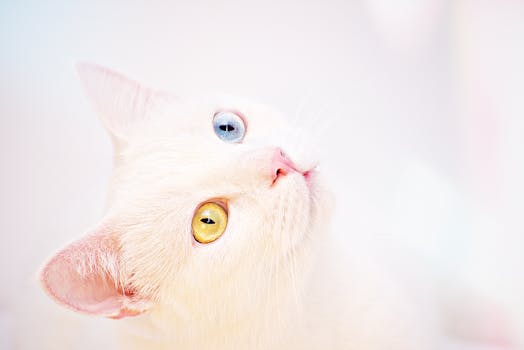
- White: The absence of color, white fur, is due to a lack of pigment. The dominant white masking gene (W) can override all other color genes, resulting in a completely white coat.
Patterns and More Genes
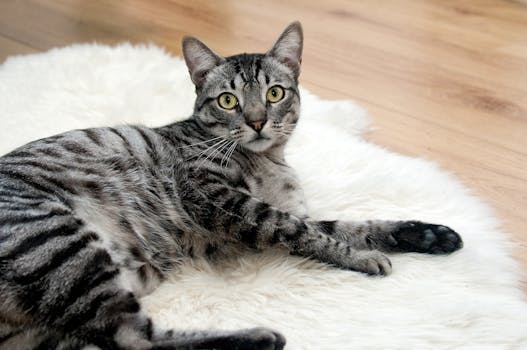
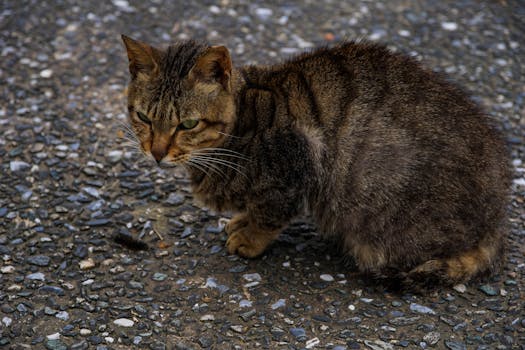
- Tabby: The tabby pattern is inherent in all cats but can be obscured by other genes. Variations include mackerel, classic, spotted, and ticked patterns.
- Pointed: Common in breeds like the Siamese, pointed patterns feature darker colors on the extremities (ears, face, paws, tail) and are governed by the temperature-sensitive C gene.
- Tortoiseshell and Calico: These intricate patterns arise from interactions between the O gene and other color genes. Tortoiseshells blend black and red fur, whereas calicos also incorporate significant white patches.
Genetic Health and Coat Colors
While most color and pattern genes are benign, some can impact health. For instance, many white cats with blue eyes are deaf. Moreover, certain colors, like chocolate and cinnamon, may correlate with higher disease risks in some breeds.
Conclusion
The genetics of cat coat colors and patterns not only enriches our understanding of their aesthetic diversity but also aids in responsible breeding and care. Continued research in feline genetics holds promise for uncovering more about these fascinating creatures, enhancing our ability to care for and appreciate the diversity of our feline friends.