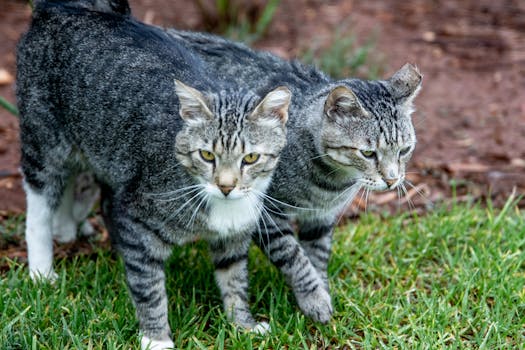
The domestication of cats is a fascinating example of how human civilization and animal species can influence each other over millennia. This long-standing relationship has shaped not only the evolution of feline physical traits and behaviors but has also woven cats into the fabric of our cultural history.
Origins and Natural Selection
The domestication of cats began around 9,000 years ago in the Near East. Unlike dogs that were actively selected for specific traits, cats essentially domesticated themselves. They were initially drawn to human settlements by the ready supply of rodents and over time, those with traits conducive to living alongside humans—such as tameness and reduced fear—were naturally selected. This form of natural selection has led to the domestic cats we know today, primarily descended from the wildcat Felis silvestris lybica.
.png)
Physical and Behavioral Changes
Through domestication, cats have undergone several notable changes. Physically, domestic cats are generally smaller than their wild counterparts, with shorter intestines, reflecting their less carnivorous diet reliant on human-provided food. The variety in coat colors and patterns also increased, likely driven by human preference.
Behaviorally, while maintaining much of their predatory nature, domestic cats have adapted behaviors that enhance their interaction with humans. For instance, the common cat behavior of meowing is primarily used for communication with humans, rather than with other cats. This adaptation has been crucial in forming the bonds many humans have with their cats.
Cats in Human Society
The role of cats in human societies has seen dramatic shifts. In ancient Egypt, cats were highly revered, symbolizing protection and good fortune, to the extent that harming a cat was a punishable offense. This contrasts starkly with their status in medieval Europe, where they were often persecuted due to associations with witchcraft. It was only in the late 18th century that cats began to be seen more positively in the Western world, a perception that has largely continued to this day.
In contemporary times, cats are cherished as companions in many households globally. Their ease of care and affectionate nature make them ideal pets for various living situations. Moreover, cats have permeated popular culture, becoming symbols and subjects in media and advertising, further cementing their status as beloved animals.
Ecological and Health Implications
The ecological impact of domestic cats, especially regarding their hunting prowess, is significant. While they help control rodent populations, thereby preventing potential disease outbreaks, they can also threaten local wildlife, particularly in areas where they are not native. This dual role highlights the complex implications of their domestication.
Conclusion
The history of cat domestication offers invaluable insights into the co-evolutionary processes between humans and animals. It not only sheds light on the adaptive traits of cats but also on human cultural evolution. As we continue to live alongside these fascinating creatures, it's crucial to balance our affection for them with responsible pet ownership and awareness of their impact on broader ecological systems. This ongoing relationship will undoubtedly continue to evolve, offering more insights into the nature of domestication and interspecies cohabitation.