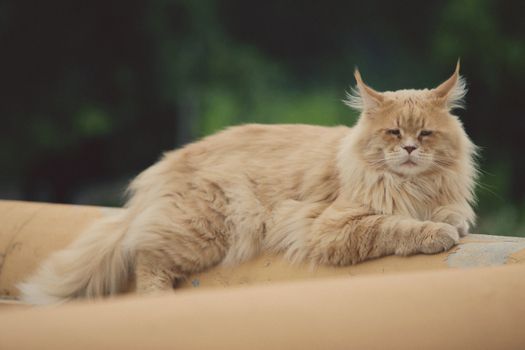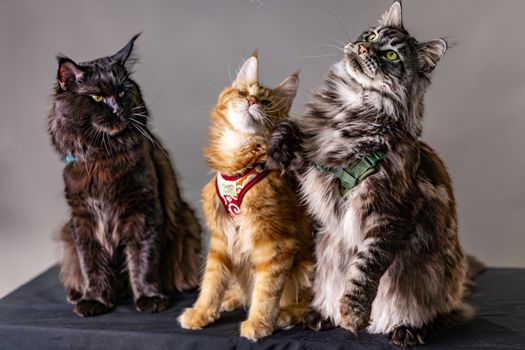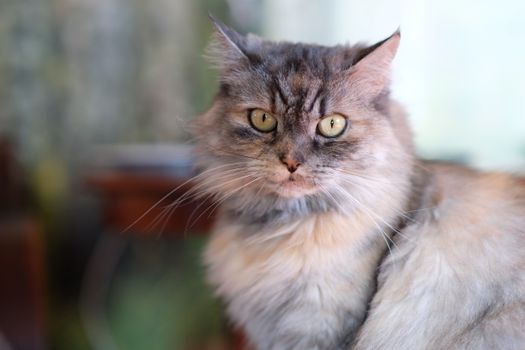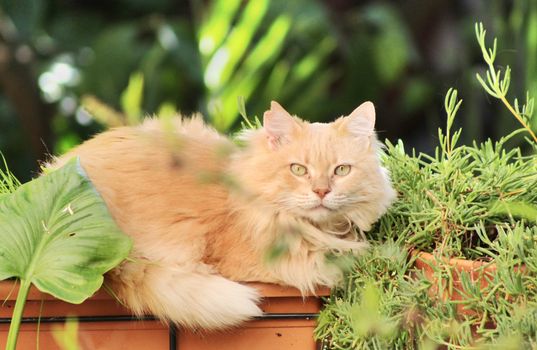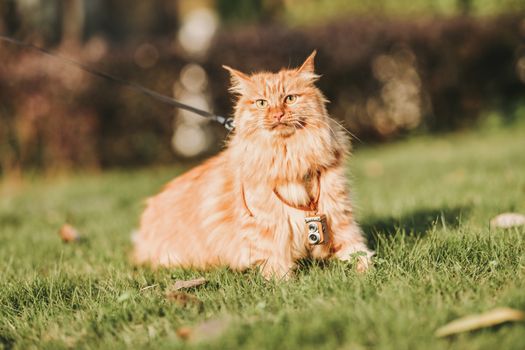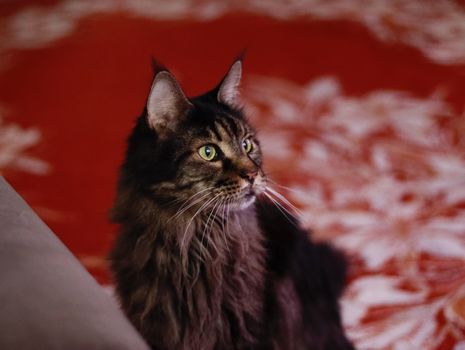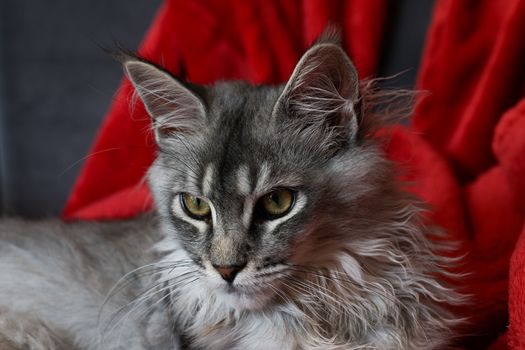
Feral cats are among the most mysterious and misunderstood animals sharing our urban and rural landscapes. While millions of pet cats curl up on beds, a hidden population survives in alleys, abandoned lots, forests, and fields. These feral felines live lives largely unseen by most people, yet their presence has significant implications for animal welfare, public health, and the environment. This article peels back the layers of the unseen world of feral cats, exploring their survival strategies, social structures, challenges, and the ongoing debates surrounding their existence.
The Secret Lives of Feral Cats: Defining Feral Versus Stray
Not all outdoor cats are created equal. Understanding the distinction between feral and stray cats is crucial for both effective management and public perception.
A feral cat is a domestic cat that has reverted to a wild state, typically avoiding human contact and relying on natural instincts for survival. In contrast, a stray cat is a pet that has become lost or abandoned but is usually more approachable and may seek human companionship. According to the Humane Society, the United States has an estimated 60 to 100 million feral and stray cats combined, but only about 10% of these are strays that can be easily rehomed.
.png)
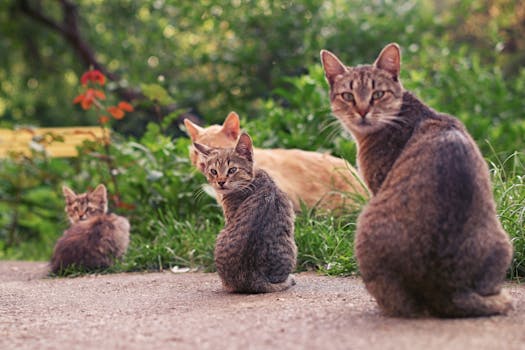
Feral cats often form colonies—groups that share territory and resources—while maintaining complex social structures somewhat reminiscent of lion prides, with dominant females often leading. These colonies may be found behind restaurants, in industrial parks, or in rural barns, wherever food and shelter are available. Most feral cats have little to no direct interaction with humans and will flee if approached.
Survival in the Shadows: How Feral Cats Adapt
Feral cats are masters of adaptation. Unlike their pampered indoor counterparts, ferals face a daily struggle for food, shelter, and safety. Their survival hinges on keen senses, adaptability, and instinctive behaviors.
Diet is a primary concern. Feral cats are obligate carnivores, hunting rodents, birds, insects, and sometimes scavenging from garbage or food left by well-meaning humans. Studies show that a single feral cat can consume up to 1,000 small mammals per year. Their diets, while instinctively varied, are often nutritionally inadequate, contributing to shorter life spans—averaging just 2 to 5 years, compared to 12 to 15 years for indoor cats.
Shelter is another challenge. Feral cats seek out abandoned buildings, dense undergrowth, or even storm drains. In winter, mortality rates can spike due to cold and starvation. Disease is a constant threat; research published in the Journal of Feline Medicine and Surgery found that feral colonies have higher rates of feline leukemia virus (FeLV) and feline immunodeficiency virus (FIV) than household cats.
Feral Cat Colonies: Social Structure and Reproduction
Despite their reputation as solitary animals, feral cats often live in structured colonies. These groups are usually made up of related females and their offspring, while adult males tend to roam between colonies. Hierarchies are established through subtle body language, vocalizations, and scent marking.
Reproduction rates among feral cats are staggering. A single pair of breeding cats and their offspring can produce over 400,000 kittens in seven years if unchecked. Most kittens are born during spring and summer, but survival rates are low. According to Alley Cat Allies, only about 25% of feral kittens survive past six months due to predation, disease, and environmental hazards.
Here’s a comparison of key differences between feral and pet cats:
| Aspect | Feral Cat | Pet Cat |
|---|---|---|
| Average Lifespan | 2-5 years | 12-15 years |
| Human Interaction | Avoids humans | Seeks human companionship |
| Diet | Hunts rodents, birds, scavenges | Commercial cat food |
| Health Risks | High (disease, malnutrition) | Lower (regular vet care) |
| Reproduction | Uncontrolled, high birth rates | Usually spayed/neutered |
The Environmental and Community Impact of Feral Cats
Feral cats’ presence raises complex questions about wildlife conservation and public health. On one hand, they help control populations of rodents and other pests. On the other, their predation on native birds and small mammals is significant.
A 2013 study in Nature Communications estimated that free-ranging domestic cats kill between 1.3 and 4.0 billion birds and 6.3 to 22.3 billion mammals annually in the United States. Feral cats are responsible for a substantial proportion of this impact. Conservationists argue that this predation contributes to the decline of some bird species, particularly in fragile island ecosystems.
Public health is another concern. Feral cats can carry parasites and diseases transmissible to humans, such as toxoplasmosis and rabies. However, the actual risk is generally low when colonies are managed and vaccinated through community programs.
Managing Feral Cat Populations: Trap-Neuter-Return (TNR) and Alternatives
One of the most hotly debated issues surrounding feral cats is how best to manage their populations. Traditional methods, such as culling, have proven both controversial and largely ineffective, as new cats quickly move in to fill vacated territories—a phenomenon known as the "vacuum effect."
Trap-Neuter-Return (TNR) programs have emerged as the humane alternative and are endorsed by organizations such as the ASPCA and the Humane Society. In TNR, cats are trapped, sterilized, vaccinated, and returned to their colonies. Studies indicate that when at least 70% of a colony is sterilized, the population stabilizes and gradually declines. For example, a long-term TNR project in Gainesville, Florida, reduced the local feral cat population by 66% over 11 years.
Other approaches, such as managed colonies (where volunteers provide food, water, and shelter) and relocation, are sometimes used, though relocation is generally considered a last resort due to the stress and low survival rates associated with moving established colonies.
Human Perceptions and the Role of Community Caretakers
Feral cats elicit strong emotions from the public—ranging from compassion to frustration. In many communities, dedicated caretakers play a vital but often invisible role. These individuals regularly feed, monitor, and provide medical care for local colonies, often at their own expense. According to a 2019 survey, approximately 10% of Americans have fed or cared for an outdoor cat.
Community education is key to bridging the gap between cat advocates and those concerned about wildlife or property damage. Efforts to dispel myths—such as the belief that all outdoor cats are suffering or inherently dangerous—can foster more constructive dialogue and lead to more effective, humane management.
What the Future Holds for Feral Cats
The unseen world of feral cats is complex and ever-evolving. As urbanization expands and natural habitats shrink, feral cats are likely to become more visible and more intertwined with human society. Advances in non-surgical sterilization, improved community education, and increased cooperation between animal welfare and conservation groups offer hope for more balanced solutions.
Ultimately, the fate of feral cats depends not just on policies and management, but on public awareness and empathy. Understanding these animals as both survivors and sentient beings is the first step toward a future where their lives—and those of the wildlife around them—are respected and protected.