Thinking of welcoming a cat into your home? With over 42 million households in the U.S. alone sharing their lives with cats, it’s clear that felines are beloved companions. But not every cat is the right fit for every person or family. Before you fall for a cute face at the shelter or get swept up by a particular breed’s reputation, it’s essential to consider how your lifestyle aligns with feline personality, health needs, and maintenance. Choosing the right cat for your lifestyle can make the difference between a harmonious relationship and ongoing challenges. Let’s explore how to match the perfect feline friend to your unique situation, whether you’re a first-time owner, a busy professional, or part of a lively family.
Understanding Your Lifestyle and Environment
The first, and perhaps most important, step in selecting the ideal cat is to take a close look at your own life. Are you home most of the day, or do you travel frequently? Do you live in a small apartment or a roomy house with a yard? Do you have children, other pets, or allergies to consider? The answers to these questions will shape your cat choice in significant ways.
For example, single professionals who work long hours may want a more independent, low-maintenance cat, while families with children might prefer playful and social breeds. Apartment dwellers should consider cats comfortable with limited space and indoor living, as opposed to breeds that crave outdoor exploration.
.png)
Environmental factors also matter. According to the American Veterinary Medical Association, about 70% of cats in the United States are kept exclusively indoors. This shift means more cats are adapting to smaller spaces, but not all breeds are equally suited to this lifestyle.
Breed Personality: Matching Temperament to Your Needs
While every cat is unique, certain breeds tend to exhibit specific personality traits. Understanding these tendencies can help you find a cat that fits seamlessly into your daily routine.
Some breeds, like the Siamese and Abyssinian, are known for their high energy and sociability. They thrive on interaction and can sometimes become bored or destructive if left alone for long periods. On the other hand, breeds like the British Shorthair or Russian Blue tend to be more laid-back and content with moderate attention.
If you’re looking for a lap cat, Ragdolls and Persians are famously affectionate and calm. For allergy sufferers, the Siberian and Balinese produce fewer allergenic proteins, though no cat is entirely hypoallergenic.
Rescue cats and mixed breeds, which make up about 90% of shelter adoptions, often have less predictable personalities but can be just as rewarding. Shelters usually assess and describe each cat’s temperament, helping guide your choice.
Here’s a comparative overview of some popular breeds and their general characteristics:
| Breed | Activity Level | Affection | Maintenance | Good with Kids |
|---|---|---|---|---|
| Siamese | High | Very Affectionate | Moderate | Yes |
| Persian | Low | Affectionate | High (grooming) | Moderate |
| British Shorthair | Moderate | Calm | Low | Yes |
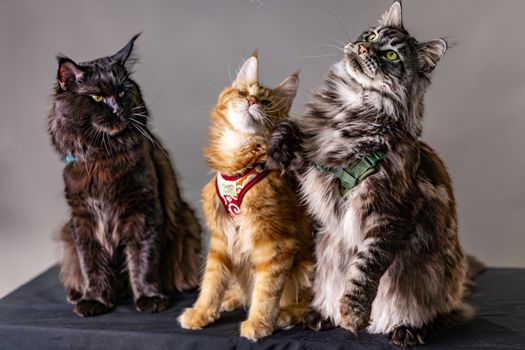
| Maine Coon | Moderate-High | Friendly | Moderate (grooming) | Excellent |
| Sphynx | High | Very Affectionate | High (skin care) | Yes |
Health and Lifespan Considerations
Different breeds and individual cats come with their own health profiles and longevity. On average, domestic cats live between 12 and 16 years, but some breeds, like the Siamese or the Burmese, can live well into their twenties. Pedigreed cats, however, may be prone to inherited health conditions; for example, Persians often suffer from respiratory and kidney issues, while Maine Coons are at risk for hypertrophic cardiomyopathy.
Adoption from reputable breeders or shelters that screen for common diseases can minimize health risks. It’s also important to consider the cost of veterinary care: the American Pet Products Association reported that annual basic medical expenses for a cat average $201, but this can rise sharply with chronic health conditions.
If you desire a long-term companion and want to minimize health surprises, domestic shorthairs (mixed breeds) tend to have fewer inherited issues and robust constitutions, thanks to genetic diversity.
Time Commitment and Care Requirements
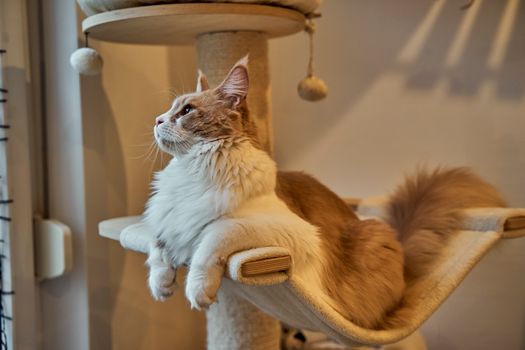
Cats are often perceived as low-maintenance pets, but their needs can vary widely. Long-haired breeds like the Persian or Maine Coon require daily grooming to prevent matting and hairballs, while shorthairs need only weekly brushing. The Sphynx, a hairless breed, demands regular skin cleaning and protection from sunburn.
Beyond grooming, consider the social and environmental enrichment cats need. Highly active breeds may require interactive toys and daily play sessions. Litter box maintenance, feeding routines, and regular veterinary visits are non-negotiable for all cat owners.
If your time is limited, opt for breeds or individual cats known for independence and minimal grooming needs. Alternatively, older cats—often overlooked in shelters—are less energetic and adapt well to quieter homes, making them an excellent choice for seniors or busy adults.
Children, Other Pets, and Multi-Cat Dynamics
If you have children or other animals, your choice of cat should reflect this dynamic. Some breeds are renowned for their patience and sociability, while others prefer solitude. According to a 2023 survey by the American Pet Products Association, 46% of cat owners live in multi-pet households.
Maine Coons and Ragdolls are famously gentle and tolerant with kids. Conversely, breeds like the Bengal or the Oriental Shorthair, while playful, may become overstimulated by rough handling. Always supervise initial interactions and teach children the basics of respectful cat care.
If you already have a dog or another cat, look for breeds or individual cats with a reputation for adaptability. Shelters often perform temperament tests to predict how a cat will respond to other pets, and some rescue organizations even specialize in “dog-friendly” or “cat-friendly” felines.
Adopting vs. Buying: Ethical and Practical Considerations
Deciding whether to adopt from a shelter or purchase from a breeder is both a personal and ethical choice. Approximately 3.2 million cats enter U.S. shelters every year, and adopting saves lives while reducing the demand for commercial breeding. Shelter adoption fees are typically lower, averaging $50-$150, and often include spaying/neutering, vaccinations, and microchipping.
Buying from a reputable breeder ensures predictable traits and health screenings, but costs can range from $500 to over $2,000 for purebred kittens. Beware of online scams and irresponsible breeding practices—always request health clearances and meet the kittens and parents in person.
Both options have their merits, but if you’re flexible on breed and open to adult cats, adoption is a rewarding and socially responsible route.
Final Thoughts on Choosing the Right Cat for Your Lifestyle
Selecting a cat is a joyful but significant commitment. Your lifestyle, living situation, and personal preferences should guide you toward a feline companion whose needs and temperament align with your own. Consider activity levels, grooming needs, health risks, and compatibility with children or other pets before making your choice. Whether you opt for a playful kitten or a serene senior, a purebred beauty or a lovable rescue, the right match brings years of mutual happiness. Remember, the best cat for you is one that fits comfortably into your everyday life, ensuring both your wellbeing and theirs.