The Evolutionary Secrets Behind Cat Napping Habits
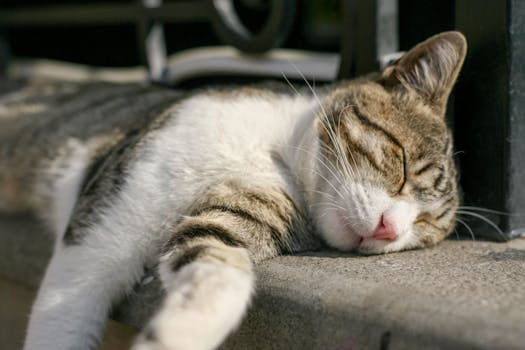
If you’ve observed your cat snoozing throughout the day, you might have wondered: why do cats nap so much, and what’s really happening during those long hours of apparent inactivity? While it’s common knowledge that cats are champion sleepers, the intricate reasons behind their sleep patterns are deeply rooted in their evolutionary past and biology. This article explores the evolutionary secrets, biological mechanisms, and unique sleep cycles that explain why felines are so devoted to their daily naps.
How Evolution Shaped the Cat’s Sleep Schedule
Cats are descendants of solitary hunters who survived by being both stealthy predators and elusive prey. This dual role in the food chain shaped their sleep habits in several important ways:
- Energy Conservation: Wild cats needed to conserve energy between hunts, which were often short, high-intensity bursts followed by long periods of rest. Domestic cats have retained this behavior, sleeping between 12 and 16 hours a day, with some cats—especially kittens and seniors—logging up to 20 hours. - Survival Instinct: Sleeping in short, light bursts (a polyphasic sleep pattern) allowed cats to remain alert to danger. Even in deep sleep, cats experience rapid arousal, so a sudden sound or movement can instantly jolt them awake. - Adaptive Flexibility: Unlike strictly nocturnal or diurnal animals, cats are crepuscular, meaning their most active times are dawn and dusk—prime hunting hours for their ancestors.These evolutionary adaptations mean that when your cat curls up for a nap, it’s not just out of laziness, but as a result of millions of years of natural selection.
.png)
Inside the Feline Sleep Cycle: Light and Deep Sleep Phases
A cat’s sleep isn’t one long, uninterrupted session. In fact, their sleep is divided into two main phases:
- Light Sleep (NREM): About 70% of a cat’s sleep is in this lighter phase. Here, your cat may appear to be resting but is actually tuned in to their environment—their ears twitch, and their nose may wrinkle at new scents. This vigilance is a survival trait. - Deep Sleep (REM): The remaining 30% is spent in the Rapid Eye Movement (REM) stage, where the most restorative processes occur. During REM, cats may twitch their paws, flick their tails, or even make soft noises—signs that they’re dreaming.A typical cat nap lasts 15-30 minutes, punctuated by brief stretches of alertness. Over a 24-hour period, these frequent short rests add up, ensuring both physical recovery and mental sharpness.
Why Kittens, Adults, and Senior Cats Sleep Differently
Just as human sleep changes with age, so too does feline sleep. Here’s a breakdown:
- Kittens (0-6 months): Can sleep up to 20 hours daily. This intense sleep supports rapid brain and body development. Kittens spend a higher proportion of time in REM sleep, vital for neurological growth. - Adult Cats (1-7 years): Generally sleep 12-16 hours, balancing periods of activity with restorative naps. Their sleep becomes more polyphasic, aligning with hunting and social behaviors. - Senior Cats (7+ years): Often sleep even more, with some elderly cats snoozing over 18 hours a day. Age-related health issues, such as arthritis or cognitive decline, can also impact sleep quality and duration.According to a 2021 study from the American Veterinary Medical Association, nearly 40% of cat owners noticed increased sleep in their pets as they aged.
How Environmental Cues Shape Cat Sleep
Cats are highly sensitive to environmental cues that influence when and where they sleep:
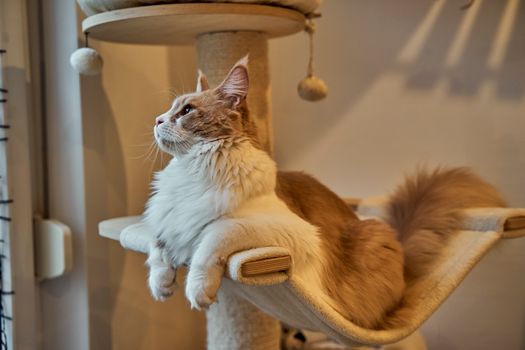
- Light Exposure: Cats’ internal clocks (circadian rhythms) are influenced by sunlight. In indoor cats, exposure to natural daylight helps regulate sleep and wake cycles. Conversely, artificial lighting or lack of sunlight can disrupt their rhythms, leading to irregular sleep. - Temperature and Comfort: Felines are drawn to warm spots. Studies show that cats prefer temperatures between 86°F and 97°F for sleeping, which explains their love for sunny windowsills or cozy blankets. - Household Activity: Unlike wild cats, domestic cats adapt their sleep to their household’s routine. A survey by the International Cat Care organization found that 67% of cats adjust their napping to match their owner's schedule.Environmental enrichment, such as providing perches or soft bedding in quiet areas, can help cats get the quality sleep they need.
The Hidden Benefits of Cat Napping for Feline Health
Napping isn’t just about energy conservation. It’s also critical for your cat’s overall health:
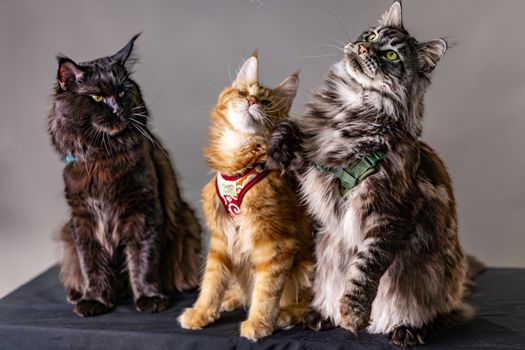
- Physical Healing: During deep sleep, growth hormone is released, helping with tissue repair and immune function. - Cognitive Processing: REM sleep in particular is believed to help cats process memories, learn from experiences, and even rehearse hunting skills in their dreams. - Emotional Regulation: Cats deprived of quality sleep may become irritable or anxious, much like humans. In fact, a study published in the Journal of Feline Medicine and Surgery found that cats who received less than 12 hours of sleep per day exhibited increased signs of stress and behavioral issues.In multi-cat households, cats may also synchronize their naps, creating a peaceful group dynamic and reducing competition for sleeping spots.
Comparing Sleep Patterns: Cats Versus Other Animals
To understand how unique cats are, it’s helpful to compare their sleep habits with those of other common pets and animals:
| Animal | Average Sleep per 24 Hours | Sleep Pattern | Notable Fact |
|---|---|---|---|
| Cat | 12-16 hours | Polyphasic/Crepuscular | Can fall asleep in less than 5 minutes |
| Dog | 12-14 hours | Polyphasic | Puppies can sleep up to 20 hours |
| Horse | 2-5 hours | Polyphasic | Can sleep standing up |
| Human | 7-9 hours | Monophasic | Consolidated nighttime sleep |
| Mouse | 12-14 hours | Polyphasic/Nocturnal | Short bursts throughout day and night |
As the table shows, cats are among the top sleepers in the animal kingdom, with a sleep pattern designed for both survival and well-being.
Final Thoughts on the Mysteries of Cat Napping
Your cat’s napping habit is far more than laziness or boredom—it’s a sophisticated survival strategy honed by evolution, supported by biology, and influenced by the environment. Each nap allows your feline companion to recharge, process information, and remain vigilant, all while maintaining the playful, loving personality you cherish.
Understanding the science and history behind your cat’s sleep pattern can help you create a more supportive home environment. Whether it’s providing a sunny perch or respecting their need for quiet during nap times, every effort contributes to your cat’s health and happiness.