Cats are often seen as mysterious creatures with enigmatic behaviors, and one of the most prominent of these behaviors is their extensive sleeping habits. If you've ever found yourself wondering why your feline companion spends so much time napping, you're not alone. Understanding the sleep patterns of cats can offer insights into their natural instincts and overall well-being.
Why Do Cats Sleep So Much?
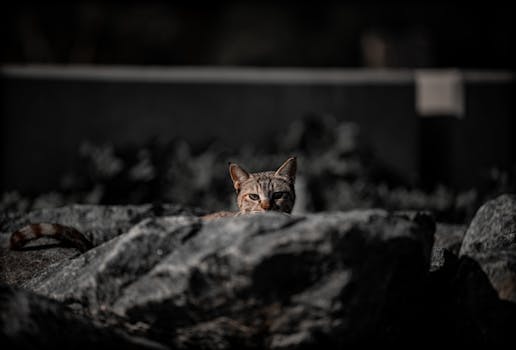
Cats are crepuscular, meaning they are most active during the twilight hours of dawn and dusk. This behavior stems from their evolutionary history. In the wild, these times are optimal for hunting because their prey is also active, and the dim light helps them stay concealed from predators. Even domestic cats retain this instinct, which is reflected in their sleep patterns.
.png)
On average, cats sleep between 12 to 16 hours a day, with older cats and kittens often sleeping even more. Kittens, who expend significant energy on growth and play, might sleep up to 20 hours a day. While this might seem excessive, sleep is vital for their health, helping them conserve energy and prepare for the high levels of activity and alertness required during their waking hours.
Understanding Cat Sleep Cycles
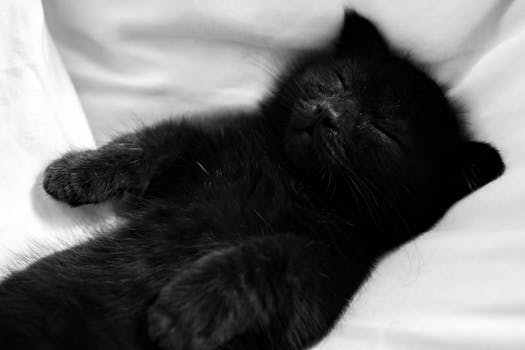
Unlike humans, cats experience short bursts of deep sleep, lasting about 5 minutes, interspersed with longer periods of light sleep. During deep sleep, cats may enter the rapid eye movement (REM) phase, associated with dreaming. This is why you might sometimes see a sleeping cat twitching or moving its paws as if engaged in a chase.
Factors Influencing Cat Sleep Patterns
Several factors affect how cats sleep, including:
- Age: Younger cats need more sleep due to their higher energy levels, while older cats may sleep more due to decreased energy or health issues.
- Health: Changes in sleep patterns can indicate health problems, so a sudden increase or decrease in sleep warrants a vet visit.
- Diet: A nutritious diet that fulfills their dietary needs can promote better sleep and overall health.
- Environment: Cats need a secure environment to sleep well. Stress or feeling unsafe can lead to increased sleep as a form of escape.
Cats and Their Environment
Cats are territorial and will choose sleeping spots where they feel safest. Owners should provide a quiet, comfortable, and safe sleeping area to help reduce stress and promote better sleep. Interestingly, domestic cats often adjust their sleep patterns to match the routines of their human companions, demonstrating their adaptability and the deep bond they can form with their owners.
Conclusion
The extensive sleeping habits of cats are a fundamental aspect of their nature. By understanding why cats sleep so much, owners can better meet their needs, ensuring a happy, healthy, and fulfilling life. Remember, a sleeping cat isn't just a lazy cat but a natural hunter conserving energy for the next adventure. Whether they're curling up in a sunny spot or snuggled in their favorite bed, cats teach us the fine art of balancing rest and activity.