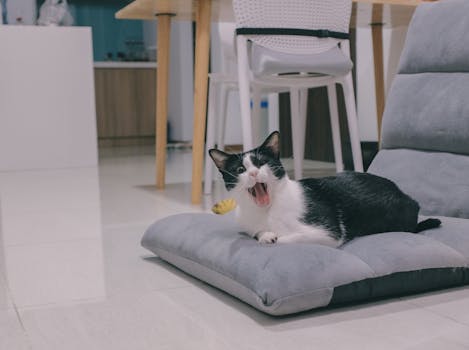
Creating a Cat-friendly Environment at Home: A Comprehensive Guide
Welcoming a cat into your home is a rewarding experience, but ensuring your feline friend thrives requires more than just food and water. Cats are complex creatures with unique physical, mental, and emotional needs. A truly cat-friendly environment goes beyond basic care, providing enrichment, safety, and stimulation that taps into a cat’s natural instincts. From vertical spaces to interactive play, scent enrichment to feline-safe plants, this comprehensive guide will help you transform your home into a haven that satisfies your cat’s every whim and need.
Understanding Feline Needs: The Foundation of a Cat-friendly Home
To create an environment in which your cat flourishes, it’s crucial to understand their natural behaviors. Domestic cats retain many instincts from their wild ancestors. According to the American Veterinary Medical Association, over 60% of cat behavior problems stem from environmental deficiencies, such as boredom or lack of stimulation. To mitigate this, consider these core feline needs:
- Territory: Cats are territorial and value control over their environment. - Vertical Space: Climbing and perching are essential, giving cats a sense of security and command. - Hunting and Play: Predatory behaviors, like stalking and pouncing, remain vital for mental health. - Scent Marking: Cats communicate and feel secure through scent.Ignoring these needs can lead to stress, destructive behavior, or even health issues. A cat-centric home acknowledges and embraces these instincts, reducing anxiety and increasing well-being.
.png)
Vertical Spaces and Safe Hideaways: Designing in Three Dimensions
Unlike dogs, cats see their world in three dimensions. Providing vertical spaces is not a luxury—it’s a necessity. A study by the Ohio State University College of Veterinary Medicine found that cats with access to vertical territory showed a 50% reduction in stress-related behaviors.
Key elements to include:
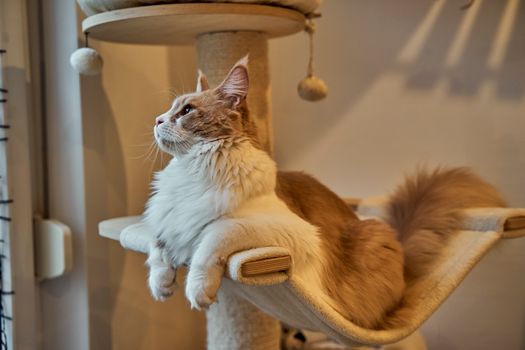
- Cat Trees and Towers: These allow cats to climb, scratch, and perch. Place them near windows for extra stimulation. - Wall Shelves: Specially designed cat shelves or ledges can turn plain walls into feline highways. - Window Perches: Cats love basking in sunbeams or watching wildlife. Secure window perches are a favorite. - Hideaways and Nooks: Covered beds, boxes, or tunnels provide safe retreats when your cat needs solitude.For multi-cat households, vertical territory can significantly reduce inter-cat tension by allowing cats to claim their own spaces. Always ensure that cats can access and exit perches easily to avoid trapping or territorial disputes.
Enrichment Through Play and Exploration
Environmental enrichment prevents boredom, curbs destructive habits, and keeps cats mentally agile. The American Association of Feline Practitioners recommends at least two interactive play sessions per day, each lasting 10-15 minutes.
Popular forms of enrichment include:
- Interactive Toys: Wand toys, laser pointers, and puzzle feeders stimulate hunting instincts and problem-solving skills. - Rotation of Toys: Change toys weekly to keep your cat’s interest piqued. - DIY Exploration: Paper bags, cardboard boxes, and tunnels create new environments for cats to investigate. - Safe Outdoor Experiences: Screened patios (catios) or leash training can allow safe exploration of the outdoors.Studies show that cats with regular play opportunities are 35% less likely to develop behavioral problems. Additionally, play helps maintain a healthy weight, further reducing the risk of diabetes and joint issues.
Scent and Sensory Enrichment: Appealing to Feline Senses
A cat’s world is defined by scent. Scent enrichment can make your home more interesting and comforting for your cat. Here’s how to appeal to your cat’s finely tuned senses:
- Catnip and Silvervine: About 70% of cats respond to catnip, while silvervine can stimulate those who don’t. - Feliway Diffusers: These synthetic pheromones mimic natural feline facial pheromones, reducing stress during changes or introductions. - Scent Swapping: Exchange bedding between cats to help them acclimate to each other’s scent. - Herbs and Grasses: Cat-safe plants like wheatgrass provide safe chewing opportunities and fresh scents.Remember, not all scents are safe. Avoid essential oils such as tea tree, lavender, or eucalyptus, which are toxic to cats.
Comparing Cat-friendly Features: What Makes the Biggest Impact?
When designing a cat-friendly home, it helps to compare which features offer the greatest benefits for your cat’s health and happiness. Below is a comparison table of popular environmental enhancements, their benefits, and their approximate cost ranges.
| Feature | Main Benefit | Average Cost | Impact on Cat Well-being |
|---|---|---|---|
| Cat Tree/Tower | Vertical territory, exercise, scratching | $50–$200 | High: Reduces stress, increases activity |
| Interactive Toys | Mental stimulation, hunting instincts | $5–$30 | High: Prevents boredom, encourages play |
| Window Perch | Visual stimulation, sunbathing | $20–$60 | Medium: Reduces anxiety, increases comfort |
| Cat-safe Indoor Plants | Safe chewing, sensory enrichment | $10–$40 | Medium: Promotes natural behaviors |
| Catio (screened patio) | Safe outdoor time, exploration | $200–$2,000 | Very High: Highly enriching, safe exposure to outdoors |
| Feliway Diffuser | Stress reduction, scent enrichment | $25–$50 | Medium: Calms cats during stressful events |
This table can guide your investments, prioritizing features that match your cat’s personality and your budget.
Ensuring Safety: Hazards to Avoid in a Cat-friendly Home
While creating a stimulating environment, safety is paramount. Each year, thousands of cats are injured or become ill from household hazards. According to the ASPCA, over 11,000 cases of pet poisoning are reported annually, with many linked to common household products or plants.
Watch out for these potential dangers:
- Toxic Plants: Lilies, poinsettias, and philodendrons are harmful to cats. - Dangling Cords and Cables: Chewing or entanglement can cause injury. Use cord organizers or protective wraps. - Small Objects: Hair ties, rubber bands, and small toys can be swallowed, causing intestinal blockages. - Open Windows: Always use screens or safety locks to prevent accidental falls. - Cleaning Products: Store chemicals out of reach and use pet-safe alternatives where possible.Inspect your home regularly, especially after moving or redecorating, to ensure new hazards haven’t been introduced.
Tailoring the Environment for Multi-cat Households
If you have multiple cats, special attention must be paid to territory, resources, and social structure. Feline behaviorists recommend one litter box per cat, plus one extra, and multiple feeding stations to prevent competition.
Other multi-cat strategies:
- Multiple Perches: Ensure plenty of vertical and horizontal resting places. - Safe Retreats: Provide covered beds or separate rooms for cats who need alone time. - Scent Integration: Use communal grooming brushes or bedding to help cats share scents and bond. - Gradual Introductions: When bringing in a new cat, use scent swapping and physical barriers before direct contact.A study published in the Journal of Feline Medicine and Surgery found that cats in well-managed, resource-rich multi-cat homes displayed 40% fewer stress behaviors than those in resource-poor environments.
Final Thoughts on Creating a Cat-friendly Environment
Designing a cat-friendly environment is more than a series of checklists—it’s an ongoing process that adapts to your cat’s changing needs and preferences. By focusing on vertical spaces, enrichment, scent stimulation, safety, and social harmony, you create a home where your cat feels secure, stimulated, and truly at ease. Remember, every cat is unique; observe and adjust based on their individual responses. With thoughtful planning, your home can become a feline paradise, fostering health, happiness, and a deeper bond between you and your beloved companion.