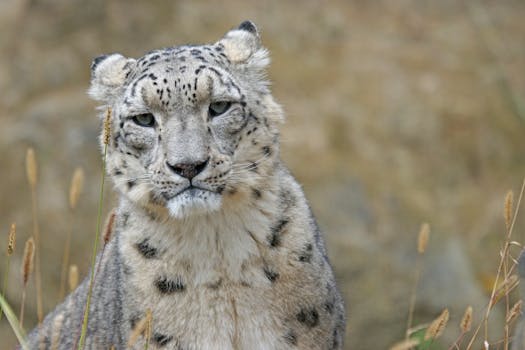
The Fascinating World of Wild Cats: A Comparative Study
Wild cats have captivated human imagination for centuries, inspiring myths, art, and scientific inquiry across cultures. Unlike their domesticated cousins lounging on windowsills, wild cats are elusive predators, thriving in some of the planet’s most remote and challenging environments. From the snow-covered peaks of Central Asia to the dense rainforests of South America, wild cats display a dazzling array of adaptations, sizes, and behaviors. This comparative study delves into their evolutionary diversity, ecological roles, and the challenges they face—illuminating why these remarkable felines remain essential to the health of global ecosystems.
The Diversity of Wild Cat Species Worldwide
The family Felidae encompasses 41 recognized species of wild cats, according to the International Union for Conservation of Nature (IUCN) as of 2023. These species are distributed across every continent except Australia and Antarctica. While most people are familiar with the “big cats” like lions, tigers, and leopards, the majority of wild cat species are small to medium-sized, often living secretive lives.
Wild cats are broadly divided into two subfamilies: Pantherinae (big cats, such as tigers, lions, leopards, and jaguars) and Felinae (small and medium cats, including cheetahs, lynxes, caracals, and ocelots). The smallest wild cat, the rusty-spotted cat (Prionailurus rubiginosus), weighs just 1-1.6 kg (2.2-3.5 lbs) and inhabits forests in India and Sri Lanka. In stark contrast, the Siberian tiger (Panthera tigris altaica), the largest wild cat, can reach up to 320 kg (705 lbs).
.png)
This vast size range is matched by a diversity of habitats: snow leopards (Panthera uncia) roam high-altitude mountains, fishing cats (Prionailurus viverrinus) prowl wetlands, while sand cats (Felis margarita) endure the harsh deserts of North Africa and the Middle East. Each species has evolved unique traits to survive in its ecological niche, a testament to the adaptability and resilience of the Felidae family.
Comparing the “Big Cats”: Power, Range, and Survival
The term “big cats” commonly refers to five species: the lion, tiger, leopard, jaguar, and snow leopard. These predators dominate their habitats and share the ability to roar, thanks to a specialized larynx and hyoid apparatus (except for the snow leopard, which cannot roar fully). Despite their similarities, big cats differ markedly in social structure, hunting tactics, and conservation status.
| Species | Average Weight (kg) | Geographic Range | Social Structure | IUCN Status (2024) |
|---|---|---|---|---|
| Lion (Panthera leo) | 120-190 | Sub-Saharan Africa, India (Gir Forest) | Pride (social) | Vulnerable |
| Tiger (Panthera tigris) | 90-320 | Asia (fragmented) | Solitary | Endangered |
| Leopard (Panthera pardus) | 30-90 | Africa, Asia | Solitary | Vulnerable |
| Jaguar (Panthera onca) | 56-96 | Central/South America | Solitary | Near Threatened |
| Snow Leopard (Panthera uncia) | 27-55 | Central/South Asia highlands | Solitary | Vulnerable |
For example, lions are the only truly social big cats, living in prides that can number up to 40 individuals. In contrast, tigers are elusive and solitary, with each adult maintaining a territory spanning up to 1,000 square kilometers in the Russian Far East. Jaguars, the apex predators of the Americas, are renowned for their jaw strength—capable of crushing turtle shells and even caiman skulls.
Despite their prowess, big cat populations are declining. The global tiger population has plummeted by over 95% in the past century, with fewer than 4,000 individuals estimated to remain in the wild. Lions have vanished from over 90% of their historic range. Habitat loss, poaching, and conflict with humans are the primary threats facing these iconic predators.
Small and Elusive: The Lesser-Known Wild Cats
While big cats capture headlines, most wild cats are small, secretive, and rarely seen. These lesser-known species play crucial ecological roles, regulating prey populations and maintaining healthy ecosystems. The black-footed cat (Felis nigripes), native to southern Africa, is the deadliest cat in terms of hunting success: studies show it kills up to 14 prey animals per night and has a 60% hunting success rate—far surpassing lions at around 25%.
Another remarkable species is the margay (Leopardus wiedii), found in Central and South American rainforests. Margays are expert climbers, able to rotate their ankles 180 degrees to descend trees headfirst. The Pallas’s cat (Otocolobus manul), with its dense fur and flattened face, endures freezing temperatures on Central Asian steppes.
Many small cats are threatened by habitat fragmentation and illegal pet trade. The Andean cat (Leopardus jacobita), one of South America’s rarest mammals, is estimated to number fewer than 1,400 mature individuals. Conservation efforts, such as camera trapping and community engagement, are vital for their survival.
Adaptations and Hunting Strategies Across Wild Cats
Wild cats are masters of adaptation, each species equipped with specialized traits for their environment and prey. Cheetahs (Acinonyx jubatus), for example, are the fastest land animals, capable of reaching speeds up to 112 km/h (70 mph) in short bursts to chase down fleet-footed antelope. Unlike other cats, cheetahs have semi-retractable claws for traction and a lightweight frame for acceleration.
In contrast, clouded leopards (Neofelis nebulosa) possess the longest canine teeth relative to skull size among all cats, enabling them to hunt monkeys and birds in the dense forests of Southeast Asia. Fishing cats, as their name suggests, have partially webbed feet and double-layered fur, allowing them to swim and hunt aquatic prey.
Nocturnality is another widespread adaptation. Many wild cats, from the serval (Leptailurus serval) to the jungle cat (Felis chaus), are most active at night, relying on acute hearing and night vision to hunt rodents and birds. These adaptations not only enhance their hunting success but also minimize competition with larger, diurnal predators.
Ecological Impact and the Importance of Wild Cats
Wild cats are apex or mesopredators, their presence vital for maintaining the balance of ecosystems. By controlling populations of herbivores and smaller predators, they prevent overgrazing and promote biodiversity. For instance, studies in India’s Nagarhole National Park revealed that the presence of tigers and leopards indirectly boosts tree regeneration by limiting deer populations.
The loss of wild cats can trigger ecological collapse. In the United States, the local extinction of cougars (Puma concolor) in parts of the Midwest led to a surge in white-tailed deer numbers, resulting in increased crop damage and car collisions. Reintroduction of cougars is now being considered as a natural solution to restore balance.
Beyond ecology, wild cats are cultural keystones. They feature prominently in folklore, religion, and national symbolism. The jaguar is revered in Amazonian cultures, while the tiger is the national animal of India, Malaysia, and South Korea.
Conservation Challenges and Global Efforts
Despite their ecological and cultural importance, wild cats are among the most threatened mammals. According to the IUCN, 17 of the world’s 41 wild cat species are listed as Vulnerable, Endangered, or Critically Endangered. Major threats include habitat destruction (especially due to agriculture and infrastructure), poaching for fur and body parts, and retaliatory killings by livestock owners.
Global conservation strategies are diverse and increasingly collaborative. India’s Project Tiger, launched in 1973, has helped stabilize and even increase tiger numbers in some reserves through anti-poaching patrols and habitat restoration. The Snow Leopard Trust works across five Central Asian countries, partnering with local communities to protect both cats and livelihoods. Protected area networks, wildlife corridors, and international treaties like CITES (Convention on International Trade in Endangered Species) are essential components of wild cat conservation.
Citizen science is also making an impact. Technologies such as camera traps, GPS collars, and genetic analysis are yielding new insights into wild cat populations and movements. Public awareness campaigns, ecotourism, and community-based conservation are proving effective in reducing human-wildlife conflict and fostering coexistence.
The Enduring Allure and Future of Wild Cats
The world of wild cats is as varied as it is vital. Their survival is inseparable from the health of the habitats they patrol and the people who share their landscapes. From the silent prowl of a mountain lion to the thunderous roar of a lion king, wild cats remind us of nature’s drama and fragility. As we face a future of accelerating environmental change, the fate of wild cats is a bellwether for the world’s wild places—and our own ability to coexist with the planet’s most extraordinary creatures.