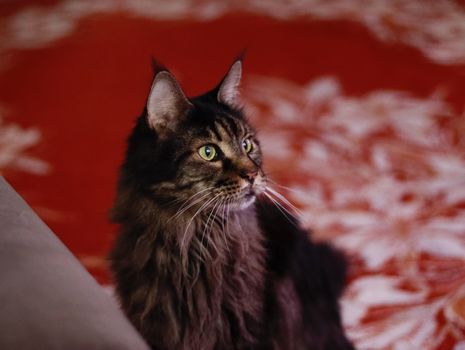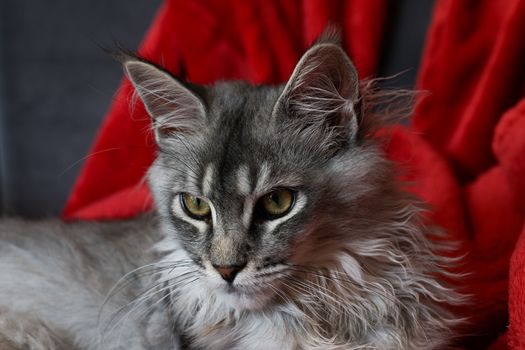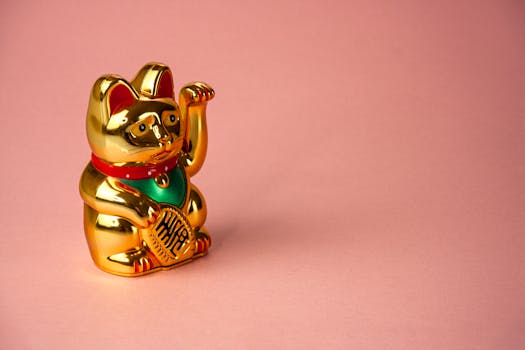
Cats have captured the human imagination for thousands of years, weaving their way through ancient mythologies, classic novels, and the vibrant world of pop culture. Their enigmatic personalities, graceful movements, and mysterious allure have made them ideal literary symbols, cultural icons, and even internet sensations. Yet, the role of cats in literature and popular culture is far more than just decorative or amusing; it reveals deep insights into human psychology, societal norms, and the evolution of storytelling itself. This article explores the fascinating journey of felines from the pages of ancient epics to the screens of the digital age, revealing why cats continue to hold such a powerful place in our collective imagination.
Cats in Ancient Lore and Early Literature
The reverence for cats stretches back to the dawn of civilization. In ancient Egypt, cats were not only beloved pets but sacred animals associated with Bastet, the goddess of home, fertility, and protection. Killing a cat, even accidentally, was punishable by death—a testament to their elevated status. Artistic depictions of cats abound in tombs and temples, and their images adorned everything from amulets to sarcophagi.
Outside Egypt, cats also appear in Greek and Roman mythology, often associated with mystery and femininity. In Norse myth, the goddess Freyja’s chariot was drawn by two giant cats, symbolizing fertility and abundance. The spread of cats across Europe coincided with their growing inclusion in folklore, where they were sometimes revered but often misunderstood—especially during the Middle Ages, when superstitions linked black cats with witchcraft and the supernatural.
.png)
Early literary references to cats can be found in works like Aesop’s Fables, where they often play cunning or wise roles, and in the poetry of the Tang Dynasty in China. These appearances set the stage for the complex symbolism cats would assume in later literary traditions.
Feline Archetypes in Classic Literature
Cats occupy a unique space in classic literature, frequently embodying qualities such as independence, intelligence, and ambiguity. One of the earliest and most influential appearances is in Lewis Carroll’s "Alice’s Adventures in Wonderland" (1865), where the Cheshire Cat’s enigmatic grin and cryptic advice epitomize the whimsical, unpredictable nature of Wonderland itself. The character has become a symbol of mystery and paradox, quoted and referenced far beyond the original text.
In Edgar Allan Poe’s "The Black Cat" (1843), the titular feline represents guilt, psychological torment, and the supernatural. The story’s chilling tone draws on the cat’s association with both the domestic and the uncanny, blurring the lines between reality and madness.
T.S. Eliot’s "Old Possum’s Book of Practical Cats" (1939), later adapted into the famous musical "Cats," celebrates the diversity of feline personalities, from the mischievous Macavity to the dignified Old Deuteronomy. The enduring popularity of these poems—and their musical incarnation—demonstrates the versatility of cats as literary muses.
Cats as Symbols and Metaphors
Throughout literature, cats function as potent symbols and metaphors. Their nocturnal habits and elusive nature make them ideal representations of the unknown, the subconscious, and even the supernatural. In Japanese literature, the "bakeneko" and "nekomata" are shape-shifting cat spirits, reflecting cultural anxieties and fascination with the boundary between the natural and the supernatural.
In modern novels, cats often serve as companions to solitary or misunderstood characters, offering comfort yet remaining inscrutable. Haruki Murakami, a contemporary Japanese author, frequently includes cats in his works, such as "Kafka on the Shore" and "The Wind-Up Bird Chronicle." These felines are not just pets but enigmatic presences that hint at deeper mysteries and alternate realities.
Cats also symbolize resilience and adaptability. In Yann Martel’s "Life of Pi," the Bengal tiger Richard Parker—though not a domestic cat, still a member of the feline family—serves as a metaphor for survival and the primal instincts within us all.
Cats in Modern Pop Culture: From Comics to Memes
The 20th and 21st centuries have seen cats leap from the page to every corner of popular culture. Iconic cartoon cats like Felix the Cat (debuting in 1919), Garfield (first published in 1978), and Tom from "Tom and Jerry" (first aired in 1940) have become household names, each embodying unique aspects of feline character—from mischievousness to laziness and cleverness.
In the world of comics and graphic novels, cats often serve as both sidekicks and main characters. For instance, the webcomic "Simon's Cat" humorously captures the everyday antics of a domestic feline, resonating with millions of viewers worldwide.
Perhaps nowhere is the cat’s influence more visible than on the internet. Grumpy Cat, Lil Bub, and Nyan Cat are just a few of the feline celebrities who have dominated social media, generating memes, merchandise, and even charitable foundations. According to a 2015 study by Indiana University, cat videos on YouTube accounted for more than 26 billion views, underscoring the unparalleled appeal of feline content online.
Comparing Cats and Dogs in Literature and Pop Culture
While both cats and dogs are beloved in literature and pop culture, their representations differ significantly. Dogs are often portrayed as loyal, brave, and overtly affectionate companions, whereas cats are depicted as independent, mysterious, and sometimes aloof. The table below compares some of the most iconic literary and pop culture representations of cats and dogs:
| Aspect | Cats | Dogs |
|---|---|---|
| Classic Literary Example | Cheshire Cat ("Alice's Adventures in Wonderland") | Old Yeller ("Old Yeller") |
| Symbolic Traits | Mystery, independence, ambiguity | Loyalty, bravery, devotion |
| Iconic Cartoon Character | Garfield | Snoopy ("Peanuts") |
| Internet Celebrity | Grumpy Cat | Doge |
| Common Role in Stories | Guide, trickster, observer | Hero, protector, friend |
| Global Cultural Symbolism | Luck (Japan), Witchcraft (Europe) | Fidelity (Western culture), Guidance (mythology) |
This comparison highlights how the unique qualities of cats and dogs shape their literary and cultural representations, reflecting different aspects of the human experience and our relationships with animals.
The Enduring Allure of Cats: From Print to Pixels
What accounts for the enduring fascination with cats in literature and pop culture? Part of the answer lies in their adaptability. Cats embody contradictions: they are both wild and tame, affectionate and aloof, familiar and mysterious. This complexity makes them ideal vessels for metaphor, humor, and emotional resonance.
Their visual appeal—sleek fur, expressive eyes, and graceful movements—translates seamlessly across mediums, from ancient sculpture to high-definition video. Cats have also become symbols of internet culture’s playful, irreverent spirit. The first documented cat video dates back to 1894, filmed by Thomas Edison’s company, showing two cats boxing. Over a century later, this tradition continues with viral TikTok challenges and Instagram accounts boasting millions of followers.
In addition, the rise of "cat literature" as a distinct genre—spanning everything from cozy mysteries to philosophical essays—demonstrates the ongoing literary appeal of felines. The "Cat Who..." series by Lilian Jackson Braun, for example, sold over 7 million copies worldwide, attesting to the commercial and cultural power of cat-centric storytelling.
As our society becomes increasingly digital, cats have proven remarkably adept at adapting to new platforms. This adaptability mirrors their evolutionary success as a species, thriving alongside humans in virtually every environment.
Reflections on the Cultural Significance of Cats
The role of cats in literature and popular culture is a mirror reflecting our own values, fears, and desires. Whether revered as divine, feared as omens, or adored as companions, cats have always occupied a liminal space between the ordinary and the extraordinary. Their presence in stories ancient and modern speaks to our fascination with the mysterious and the unknowable.
From sacred symbols in ancient temples to stars of viral videos, cats continue to inspire, amuse, and comfort us. Their enduring appeal lies not only in their beauty and charisma but in their ability to symbolize the complexities of life itself. As long as humans tell stories, it seems certain that cats will prowl the margins—sometimes watching, sometimes participating, always captivating.