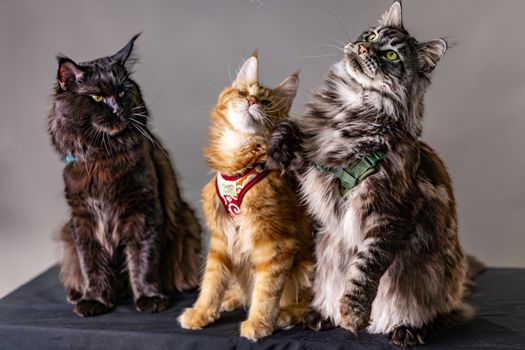
Losing a beloved cat is a uniquely painful experience. For many, a cat is not "just a pet," but a cherished family member, confidant, and daily companion. Their gentle purrs and quirky antics become woven into the fabric of everyday life. When they pass away, the loss can feel overwhelming, and the grief, profound. Yet, while society often recognizes the mourning of people, the sorrow from losing a pet can be overlooked or minimized. This guide is designed to offer understanding, practical advice, and comfort to anyone coping with the loss of a cat, providing a pathway through grief towards healing.
The Unique Bond Between Humans and Cats
The human-feline relationship is centuries old, dating back over 9,500 years. Today, there are more than 94 million pet cats in the United States alone, according to the American Veterinary Medical Association (AVMA). Cats offer companionship, reduce stress, and often become emotional anchors in their owners' lives. A 2022 survey by the Human Animal Bond Research Institute found that 87% of pet owners consider their pets part of the family.
This deep connection explains why the loss of a cat can be so devastating. Cats are creatures of routine, and their daily presence brings comfort. Their absence leaves a gap that is felt not only emotionally, but also in the rhythms of the home. Recognizing the significance of this bond is the first step in understanding why grief can be so intense.
.png)
Understanding Grief After Losing a Cat
Grief after losing a cat can manifest in many ways, both emotional and physical. Some common reactions include:
- Sadness or crying - Guilt or questioning decisions made around end-of-life care - Anger or frustration - Difficulty sleeping or changes in appetite - Feelings of emptiness or numbnessAccording to a 2019 study in the journal "Animals," 65% of pet owners reported experiencing significant grief after their pet’s death, with 30% reporting symptoms similar to clinical depression.
It’s important to know that grieving the loss of a cat is natural and valid. The intensity and duration of grief varies; some people may feel better in weeks, while others may take months or longer. There is no “right” way to grieve, and each person’s journey is unique.
Healthy Ways to Cope with the Loss of a Cat
Finding ways to process your grief is essential for healing. Here are some healthy coping strategies:
1. $1 Give yourself permission to feel sadness, anger, or any other emotion that arises. Suppressing grief can prolong the healing process. 2. $1 Creating a tribute, such as a photo album, scrapbook, or planting a tree in their memory, can be a therapeutic way to celebrate their life. 3. $1 Sharing your feelings with friends, family, or pet loss support groups can help you feel less alone. Online forums and local groups, such as the Pet Loss Support Hotline at Cornell University, provide compassionate spaces for sharing memories and struggles. 4. $1 Writing a letter to your cat, composing a poem, or making art can be a healing outlet for your emotions. 5. $1 If grief becomes overwhelming or persistent, consider speaking with a counselor, especially one who specializes in pet loss. According to the American Psychological Association, nearly 20% of grieving pet owners benefit from professional therapy.Comparing Grief: Pet Loss vs. Human Loss
Some people may struggle with guilt about grieving a pet, especially if those around them minimize the loss. However, research shows that the grief experienced after losing a pet can be as intense as that following the death of a human loved one. The table below outlines key similarities and differences:
| Aspect | Grief After Pet Loss | Grief After Human Loss |
|---|---|---|
| Intensity of Grief | Can be severe; 30% show depressive symptoms | Varies; can be severe, especially for close relations |
| Social Support | Often less; loss may be minimized by others | More recognized and supported by society |
| Duration | Weeks to months, sometimes longer | Months to years, depending on closeness |
| Rituals/Ceremony | Less formal, but growing (pet funerals, memorials) | Common (funerals, wakes, religious services) |
| Professional Help | Available, but less commonly sought | Commonly accessed, especially for traumatic loss |
Understanding that your grief is legitimate and comparable to other types of loss can help you navigate feelings of isolation or guilt.
Helping Children and Other Pets Grieve
The loss of a cat can affect every member of the household, including children and other pets. Children may feel confused or frightened by the loss, while surviving pets may exhibit changes in behavior.
For children:
- Use clear, age-appropriate language. Avoid euphemisms like "put to sleep" which can be confusing. - Encourage them to express their feelings through drawing, writing, or talking. - Include them in memorial activities, such as creating a memory box.For other pets:
- Maintain regular routines to provide stability. - Monitor for changes in eating, sleeping, or play. Some pets may grieve and require extra attention. - Allow surviving pets to see the deceased cat, if possible, as it can help them process the loss.A 2016 study from the University of Hawaii found that 65% of households reported noticeable changes in surviving pets after a companion animal died, including increased vocalization and clinginess.
Deciding When (or If) to Adopt Another Cat
For many cat owners, the question of whether—and when—to bring another cat into the home arises. There is no universal timeline; the right time depends on your emotional readiness and household dynamics.
Consider these aspects:
- $1 Ensure you are adopting a new cat for the right reasons, not simply to "replace" your lost pet. - $1 Involve all household members in the decision. - $1 It's normal to feel guilt about moving on. Remember, honoring your late cat's memory can coexist with opening your heart to a new companion.A 2021 survey by the ASPCA found that 58% of pet owners eventually adopted another pet after a loss, usually waiting an average of 8 months.
If you do choose to adopt again, consider volunteering at a shelter or fostering before making a permanent commitment. This can help you gauge your readiness while helping animals in need.
Final Thoughts on Coping with the Loss of a Cat
Grieving the loss of a cat is a deeply personal journey. The pain you feel is a reflection of the love you shared. By acknowledging your grief, seeking support, and finding meaningful ways to remember your feline friend, you can honor their memory while allowing yourself to heal. Remember, healing does not mean forgetting. Your cat’s legacy lives on in the love, lessons, and memories you carry forward.