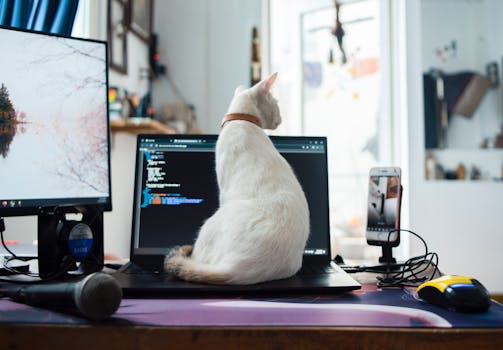
Cats have long captivated the human imagination, slinking their way into our lives, homes, and hearts. But beyond their roles as beloved pets, cats have also left indelible paw prints on popular culture. From the ancient mythologies that first celebrated their enigmatic allure to their modern-day stardom on social media, cats have shaped trends, inspired creative works, and even influenced the way we communicate. This article explores the remarkable influence of cats on popular culture, revealing just how deeply intertwined our feline friends are with the stories, symbols, and sensations that define our shared cultural experience.
The Feline Footprint: Cats in Global Media
Cats have been prominent fixtures in global media for decades, if not centuries. Their mysterious charm and expressive personalities translate effortlessly on screen, making them irresistible to filmmakers, animators, and advertisers alike.
In cinema, cats have played roles both large and small. Disney’s "The Aristocats" (1970) remains a classic, introducing generations to the adventures of Duchess, Thomas O'Malley, and their kittens. More recently, the "Puss in Boots" spinoff from the "Shrek" franchise grossed over $555 million worldwide, proving the commercial draw of charismatic cats.
.png)
On television, iconic cat characters abound. Garfield, the lasagna-loving tabby created by Jim Davis in 1978, became a staple of Sunday comics before starring in TV specials, an animated series, and feature films. In Japan, the globally adored Hello Kitty franchise—launched by Sanrio in 1974—has generated more than $80 billion in merchandising revenue, according to The New York Times in 2019.
Commercials and advertisements have also capitalized on feline appeal. The Cravendale milk commercials featuring "cats with thumbs" garnered millions of views on YouTube, illustrating the viral potential of cat-centric content.
Internet Cats: Viral Sensations and Meme Culture
The digital age has elevated cats to unprecedented heights of fame. Cats dominate internet meme culture, with platforms like YouTube, Instagram, and TikTok serving as stages for their antics.
The earliest viral cat video, "Keyboard Cat," dates back to 2007 and has amassed over 60 million views as of 2024. Grumpy Cat, whose real name was Tardar Sauce, became an internet icon after her perpetually disgruntled expression was posted on Reddit in 2012. Grumpy Cat's brand generated an estimated $100 million in revenue through merchandise, media appearances, and endorsements before her passing in 2019.
Nyan Cat, a pixelated feline with a Pop-Tart body flying through space, was uploaded to YouTube in 2011 and quickly spread across the web, inspiring countless remixes and adaptations. Lil Bub, Maru, and the Scottish Fold duo of Nala and Venus are just a few more examples of cats whose unique looks or personalities have captured millions of followers worldwide.
The table below highlights some of the most influential internet cats and their impact:
| Cat Name | Platform | Followers/Views | Estimated Revenue | Notable Achievements |
|---|---|---|---|---|
| Grumpy Cat | Instagram, Facebook, YouTube | 8.3M+ (combined) | $100M | Book deals, commercials, movie |
| Nyan Cat | YouTube | 205M+ views | N/A | Internet meme phenomenon, NFT sale for $590,000 |
| Lil Bub | Instagram, YouTube | 3M+ (combined) | $200,000+ | TV specials, charity work, merchandise |
| Maru | YouTube | 500M+ views | N/A | Guinness World Record for most YouTube views of an individual animal |
Cats as Fashion and Lifestyle Icons
The influence of cats extends far beyond the screen and into the world of fashion and lifestyle. Felines have inspired everything from haute couture collections to everyday accessories, leaving their mark on runways and wardrobes around the globe.
Designers such as Karl Lagerfeld, creative director of Chanel and Fendi, famously adored his Birman cat, Choupette, who became a fashion icon in her own right. Choupette had her own Instagram account, starred in magazine spreads, and even inspired a capsule collection of accessories. Lagerfeld once quipped that he would marry Choupette if it were legal—a testament to the cultural fascination with feline muses.
Cat motifs frequently appear in clothing lines, jewelry, and home décor. The "cat eye" makeup trend, characterized by a bold, winged eyeliner, remains a beauty staple decades after its introduction in the 1950s. In 2022, the global pet accessories market—including cat-themed products—was valued at over $14 billion, according to Grand View Research, reflecting both the popularity of pet ownership and the allure of cat-inspired design.
Cats have also become symbols of personal identity. The term "cat person" is now widely used to describe those who identify with feline characteristics such as independence, curiosity, and playfulness. This self-identification fuels the demand for cat-themed merchandise and experiences, from cat cafés to feline-inspired yoga sessions.
Symbolism and Social Commentary: Cats in Art and Advertising
Throughout history, cats have symbolized a range of ideas, from mystery and independence to luck and rebellion. In popular culture, these associations are often harnessed to make statements or sell products.
In art and advertising, cats are used to evoke emotions and convey messages. The iconic "Chat Noir" poster, created by Théophile Steinlen in 1896, remains one of the most recognizable images in art nouveau, symbolizing both the bohemian lifestyle of Paris and the allure of the unknown.
Cats have also served as emblems of social change. The 2017 Women’s March in Washington, D.C., saw thousands of participants donning pink "pussyhats" as a symbol of female empowerment and protest. This use of feline imagery as a form of political commentary reveals the cat’s enduring power as a cultural metaphor.
In modern advertising, cats are often depicted as clever, mischievous, or elegant—attributes marketers hope to associate with their products. For example, the luxury car brand Jaguar uses the imagery and connotations of big cats to suggest speed, sophistication, and agility.
Felines in Music, Literature, and the Arts
The creative arts have also been deeply influenced by cats. From classic literature to hit songs, these animals have inspired countless works and continue to feature prominently in artistic expression.
In music, cats have been immortalized in famous songs such as "The Cat Came Back" (1893), "Year of the Cat" by Al Stewart (1976), and "Stray Cat Strut" by the Stray Cats (1981). The legendary Broadway musical "Cats," based on T.S. Eliot’s "Old Possum’s Book of Practical Cats," has grossed over $3.5 billion worldwide since its debut in 1981 and remains one of the longest-running shows in West End and Broadway history.
Contemporary authors like Haruki Murakami frequently use cats as symbols of the surreal and mysterious, while children's books like "The Cat in the Hat" by Dr. Seuss (over 10 million copies sold since 1957) introduce young readers to the playful side of feline behavior.
Visual artists, from Leonardo da Vinci and Édouard Manet to contemporary illustrators, have found inspiration in the graceful lines and enigmatic eyes of cats. The proliferation of cat-themed street art, murals, and digital illustrations in recent years attests to their ongoing appeal.
The Lasting Legacy of Cats in Popular Culture
The influence of cats on popular culture is as enduring as it is varied. Whether as stars of viral videos, muses for fashion designers, or symbols of rebellion, cats continue to capture our collective imagination. Their adaptability and charisma ensure that they remain relevant, even as tastes and technologies evolve.
In 2023 alone, over 400 million cat-related posts were shared on Instagram, and the hashtag #catsofinstagram has surpassed 300 million uses. The global fascination with cats shows no sign of waning—if anything, it is growing stronger as new generations discover the magic of feline companionship and creativity.
Cats, with their blend of mystery, playfulness, and independence, embody qualities that resonate deeply in our fast-paced, ever-changing world. As both symbols and stars, they reflect our desires, anxieties, and aspirations—making their mark on everything from art and literature to memes and merchandise.