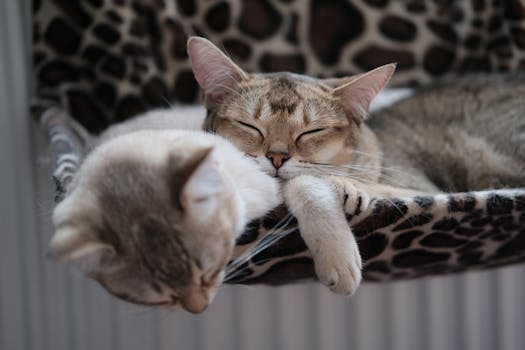
Cats and Sleep: How Feline Slumber Reveals Their Wild Side
Cats are famous for their ability to curl up and snooze at any hour of the day, but have you ever wondered what’s really happening when your kitty catches those frequent catnaps? Beyond being adorable, your cat’s sleep habits are a window into their evolutionary past and play a vital role in their health, behavior, and even your relationship with them. Let’s dig deeper into the secrets behind feline sleep, focusing on what those naps truly mean, the myths about lazy cats, and how their slumber habits are rooted in their wild ancestry.
The Evolutionary Origins of Cat Sleep
It’s easy to assume your cat’s love of sleep is just a quirky trait, but in reality, it’s a product of millions of years of evolution. Domestic cats (Felis catus) share a common ancestor with the African wildcat, and their sleep patterns are remarkably similar. In the wild, expending energy is risky—hunting takes immense effort, and food isn’t guaranteed. As a result, cats evolved to conserve energy by sleeping much of the day and saving their strength for short, intense bursts of hunting activity.
Studies show that wild and feral cats sleep on average 14 to 18 hours a day—nearly identical to their domesticated cousins. This tendency to nap is not about laziness; it’s an evolutionary adaptation for survival. By sleeping frequently, cats ensure they’re always ready to pounce when the opportunity for food arises.
.png)
Cat Sleep Cycles: More Than Just Napping
When we talk about cats “napping,” it’s important to understand that their sleep is more complex than simply dozing off. Cats experience two primary sleep phases: slow-wave sleep (SWS) and rapid eye movement (REM) sleep.
- Slow-wave sleep is a light sleep that allows cats to rest while staying alert to sounds or movement. During this phase, you might notice your cat’s ears twitch or eyes half-open—ready to wake up at a moment’s notice. - REM sleep is much deeper and is when cats are believed to dream. This stage is essential for cognitive development, memory retention, and overall well-being.On average, about 60% of a cat’s sleep is SWS, and only 30% is REM sleep. The remaining time is spent in a state of drowsy wakefulness, which explains why cats can seem to spring awake instantly from a nap. This sleep structure is very different from humans, who spend about 20-25% of their sleep in REM and the rest in deeper non-REM stages.
The “Lazy Cat” Myth: Sleep as a Survival Tool
There’s a persistent stereotype that cats are lazy, but science tells a different story. Cats’ sleep habits are tightly connected to their predatory instincts. Unlike pack animals such as dogs, who may hunt together and share duties, cats are solitary hunters. This means they must be self-reliant, and they need to be perfectly rested to ensure a successful hunt.
A study published in the journal Sleep found that cats in the wild show the highest activity levels during dawn and dusk, known as crepuscular behavior. This pattern allows them to avoid both daytime predators and nighttime competition. In between these active periods, cats sleep to replenish their energy stores. So, what might look like idleness is actually a finely tuned survival strategy.
How Environment Shapes Feline Sleep
While all cats are wired for ample sleep, their environment plays a significant role in determining sleep quality and quantity. Domestic cats adapt their sleep patterns to their household’s rhythm, often syncing up with their owner’s schedules.
For example, a survey by the American Pet Products Association found that 62% of cat owners reported their cats sleeping with them at least part of the night. The presence of familiar humans, other pets, noises, and even artificial lighting can all influence when and how deeply a cat sleeps.
Indoor cats, who face fewer threats and less need for hunting, may sleep longer stretches than their outdoor counterparts. Conversely, cats in busy or noisy environments may experience more fragmented sleep, leading to increased drowsiness during the day.
Cat Sleep and Health: What to Watch For
Sleep is a vital sign of feline health. Sudden changes in your cat’s sleep pattern can be an early warning sign of illness or distress. For example:
- A healthy adult cat sleeps 12-16 hours a day, but sick cats may sleep even more or less, depending on the condition. - Hyperthyroidism can cause insomnia and restlessness in older cats, while diabetes or kidney disease can make them lethargic and sleepier. - Stressful events—like a new pet or move—can temporarily disrupt sleep.The American Association of Feline Practitioners recommends monitoring not just how much your cat sleeps, but where and how. If your cat suddenly hides away to sleep or stops sleeping in favorite spots, it’s worth consulting your vet.
Comparing Cat Sleep With Other Pets
Curious how your cat’s sleep stacks up against other common pets? Here’s a comparison:
| Pet | Average Sleep Per Day | Typical Sleep Pattern |
|---|---|---|
| Cat | 12-16 hours | Short naps, crepuscular |
| Dog | 12-14 hours | Longer periods, more diurnal |
| Rabbit | 8-12 hours | Scattered naps, crepuscular |
| Human | 7-9 hours | Mostly nocturnal, consolidated |
As you can see, cats are among the top sleepers in the animal kingdom—second only to some bat species, which can sleep up to 20 hours a day!
Helping Your Cat Get Better Sleep
As a cat owner, there are several ways you can help your feline friend achieve restful, healthy sleep:
1. Provide a variety of cozy sleeping spots. Cats love warmth and security, so offer beds in sunny locations or quiet corners. 2. Maintain a consistent routine. Cats thrive on predictability, which helps them feel safe enough to enter deep sleep. 3. Enrich their environment. Regular play sessions, puzzle feeders, and interactive toys satisfy hunting instincts and expend energy, leading to more restful sleep. 4. Respect their need for alone time. Cats often prefer to nap alone, so give them opportunities to retreat and snooze undisturbed.Regular checkups and monitoring will help you spot any changes in sleep that might indicate a health issue.
What Your Cat’s Sleeping Positions Reveal
Ever notice how your cat sleeps in a tight ball one moment, and sprawled out belly-up the next? These positions aren’t random—they offer clues to how safe and comfortable your cat feels.
- Curled up: Conserves warmth and protects vital organs. Cats often choose this pose when they need to feel secure. - Belly-up: A sign of trust. Cats only expose their stomachs when they feel completely safe. - Loaf (paws tucked under): Ready for a quick getaway, this is a “resting but alert” position. - Side sprawl: Indicates deep relaxation and contentment.Observing your cat’s sleep postures can help you gauge their mood and well-being.
Final Insights: What Cat Sleep Tells Us About Our Feline Friends
Far from being a sign of laziness, your cat’s frequent naps and unique sleep habits are a testament to their wild ancestry and finely tuned instincts. Understanding these patterns not only deepens your bond with your pet but helps ensure their health and happiness at every life stage. So next time you spot your cat snoozing in a sunny spot, remember—they’re just doing what nature designed them to do.