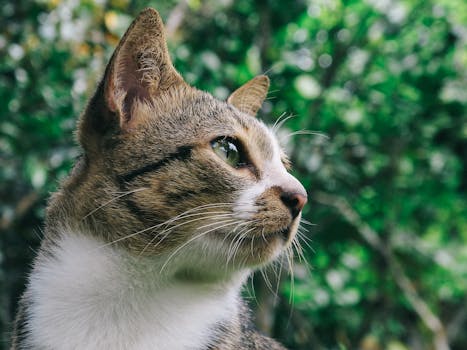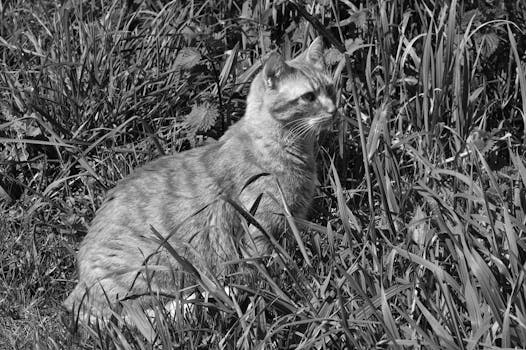
Feral cats, often concealed within our cities and countryside, live lives fraught with challenges that differ significantly from those of their domesticated counterparts. These cats, which are unsocialized to humans and typically born in the wild, navigate a world that is largely misunderstood by the general public. Distinguishing them from stray cats, which have lost their homes but can often adapt to human companionship again, is crucial for appropriate management and care.
Habitat and Social Structure
Feral cats typically form colonies around reliable food sources. These colonies can be found in diverse environments ranging from urban alleyways to rural barns. The size of these colonies can vary significantly, with some consisting of just a few cats and others numbering in the dozens. Within these colonies, feral cats exhibit a complex social structure that can include cooperative behaviors such as communal nursing of kittens and shared defense of territory.
.png)
Challenges of Survival
Survival is a daily challenge for feral cats. They often face food scarcity and must rely on scavenging or hunting, which provides an inconsistent and sometimes insufficient diet. This can lead to malnutrition or starvation. Additionally, being exposed to extreme weather conditions without adequate shelter further jeopardizes their health.
Health Concerns
Without access to regular veterinary care, feral cats suffer from various health issues. Common ailments include respiratory infections, feline leukemia, and rabies. Parasitic infections, such as fleas, ticks, and worms, are also widespread. Moreover, injuries from territorial conflicts are frequent and can be severe.
Reproductive Rate and Population Control
Feral cats have a high reproductive rate; a single pair of breeding cats and their offspring can potentially produce hundreds of thousands of kittens in a matter of years. This rapid reproduction leads to overpopulation, compounding issues like food scarcity and disease spread.
To manage feral cat populations effectively, one of the most humane and widely practiced methods is Trap-Neuter-Return (TNR). This process involves trapping the cats, neutering them, and then returning them to their original location. Neutering not only helps control the population but also reduces the cats' tendency to engage in harmful behaviors such as fighting.
Community Involvement and Education
Community involvement is essential in supporting feral cat colonies. Simple actions by local residents, such as providing regular food and water or building shelters, can significantly improve the cats' quality of life. Additionally, educating the public about the nature and needs of feral cats can foster more compassionate and effective management approaches.
Conclusion
The life of a feral cat is starkly different from that of a house cat, filled with various hardships related to nourishment, health, and survival. Through community engagement and strategies like TNR, we can offer these independent yet vulnerable animals a better chance at a healthier life. Understanding and compassion from the wider community are pivotal in ensuring humane treatment and improved welfare for feral cats. By recognizing their unseen world, we can initiate positive changes that help integrate their management into our societal responsibilities.