Understanding Feline Leukemia Virus (FeLV): A Guide for Cat Owners
Feline Leukemia Virus (FeLV) poses a significant health risk to domestic cats, being one of the leading causes of death in the species. As a cat owner, gaining insights into FeLV’s nature, its transmission, preventive strategies, and management can play a crucial role in safeguarding your cat’s health.
What is Feline Leukemia Virus?
.png)
FeLV is a retrovirus similar to the human HIV virus, affecting cats worldwide. It primarily disrupts a cat's immune system, making them more susceptible to a host of infections. The virus can induce various blood disorders and lead to severe diseases like lymphoma and leukemia.
Transmission of FeLV
FeLV spreads among cats through bodily fluids, including saliva, blood, and less commonly through urine and feces. Sharing food dishes, grooming, and bites can facilitate its transmission. Kittens are particularly vulnerable as they can contract the virus in utero or via their mother's milk if she is infected.
Prevention and Vaccination
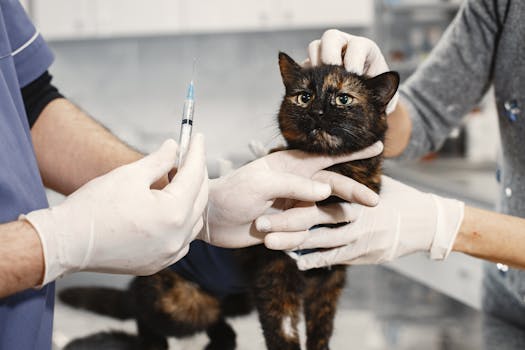
Vaccinating cats against FeLV is a proactive measure, especially for those who spend time outdoors or live in high-density environments like shelters. While the vaccine is not entirely foolproof, it significantly lowers the chances of contracting the virus. Discussing the risks and benefits of vaccination with your veterinarian can help you make an informed decision tailored to your cat's lifestyle.
Testing and Diagnosis
Early detection through regular testing is essential, particularly for cats in at-risk categories. The ELISA test is widely used for initial screening to detect the FeLV antigen in the blood. If positive, a follow-up PCR test can confirm the presence of viral DNA, affirming the infection status of your cat.
Management and Care for Infected Cats
Managing an FeLV-positive cat involves creating a supportive environment that minimizes stress and exposure to other illnesses. Keeping these cats indoors not only protects them from external threats but also prevents the spread of the virus to other cats. Regular veterinary check-ups, a nutritious diet, and a clean living environment are key to maintaining their health.
Balancing Pros and Cons
Each approach to managing FeLV has its advantages and limitations. Vaccination reduces the risk but doesn’t offer absolute immunity. Regular testing is beneficial for early detection but may incur considerable costs over time. While keeping an infected cat indoors is safer, it may impact their happiness and behavior, particularly if they are accustomed to being outdoors.
Practical Considerations
In a household with multiple cats, where one cat tests positive for FeLV, immediate steps should include testing all other cats and vaccinating those who are negative. Isolating the infected cat might be necessary to prevent the virus from spreading.
Conclusion and Recommendations
FeLV requires careful attention and proactive management. Regular consultations with your vet for personalized advice on vaccination and testing, along with vigilant care, can help manage the health of both FeLV-positive and at-risk cats. By understanding FeLV and implementing preventive measures, you can ensure your cat leads a healthier and potentially longer life despite the risks associated with this virus.