Feline Enrichment: Encouraging Natural Behaviours in Domesticated Cats
Cats have lived alongside humans for thousands of years, yet their instincts and natural behaviours remain deeply rooted in their wild ancestry. While modern domesticated cats enjoy the comforts of home, their physical and mental well-being still depends on opportunities to express natural behaviours such as hunting, climbing, scratching, and exploring. Feline enrichment focuses on encouraging these innate behaviours, resulting in healthier, happier, and more balanced pets. This article explores the science behind feline enrichment, practical strategies to promote natural behaviours, and the benefits of a well-enriched environment for both cats and their owners.
The Science Behind Feline Enrichment and Behaviour
Enrichment is not just about providing entertainment for your cat—it is a science-backed approach to animal welfare. In the wild, cats spend up to 70% of their waking hours hunting, exploring, and interacting with their environment. Domestic cats, especially those kept indoors, often lack the mental and physical stimulation that nature provides, which can lead to stress, obesity, and behavioural issues. According to a 2020 study published in the Journal of Feline Medicine and Surgery, cats deprived of environmental enrichment are three times more likely to develop behavioural problems such as aggression, anxiety, and inappropriate elimination.
Natural feline behaviours include:
- Hunting and stalking prey - Climbing and perching - Scratching surfaces - Exploring novel environments - Social interaction (with other cats or humans)Encouraging these behaviours meets your cat’s instinctual needs and reduces the likelihood of problematic behaviours. Furthermore, enrichment has been shown to lower the risk of stress-related illnesses, including idiopathic cystitis and over-grooming disorders.
.png)
Types of Feline Enrichment: A Comprehensive Overview
There are several categories of enrichment, each targeting different aspects of a cat’s physical and mental health:
1. $1 Stimulating the senses through new smells, sounds, or sights. This can include cat-safe herbs, bird videos, or window perches. 2. $1 Encouraging movement and exercise. Examples include climbing trees, interactive toys, and agility courses. 3. $1 Challenging the mind with puzzles, treat-dispensing toys, or training sessions. 4. $1 Providing opportunities for positive interaction with humans or other animals. 5. $1 Offering food in ways that mimic hunting, such as using puzzle feeders or hiding kibble.The table below outlines examples and benefits of each type:
| Enrichment Type | Examples | Main Benefits |
|---|---|---|
| Sensory | Catnip, silver vine, window perches, nature sounds | Reduces boredom, stimulates curiosity |
| Physical | Cat trees, tunnels, wand toys, agility hoops | Improves fitness, prevents obesity |
| Cognitive | Puzzle feeders, interactive apps, clicker training | Enhances problem-solving, reduces stress |
| Social | Playtime with owners, multi-cat households | Builds trust, reduces loneliness |
| Nutritional | Treat balls, hidden food, foraging mats | Slows eating, mimics natural hunting |
Encouraging Hunting Instincts: Safe and Stimulating Methods
The hunting instinct is perhaps the most powerful drive in a cat’s behavioural repertoire. Even well-fed household cats have a natural urge to stalk, chase, and pounce. Without an outlet, this energy can be redirected into less desirable activities, such as attacking ankles or knocking over objects.
To satisfy these instincts, try the following:
- $1 Use wand toys, feather teasers, or motorized prey to mimic the movement of small animals. Vary the speed, direction, and hiding places to keep your cat engaged. - $1 Scatter dry food around the house or use treat-dispensing balls, so your cat must search and “hunt” for its meals. - $1 Crumple paper balls, hide them behind furniture, or use cardboard boxes as “prey dens.”A 2022 survey by the American Association of Feline Practitioners found that cats with daily interactive play sessions exhibited 40% fewer behavioural problems and were 30% less likely to be overweight. Importantly, always allow your cat to “catch” the toy at the end of play to fulfill the predatory sequence and avoid frustration.
Vertical Space and Environmental Complexity: Climbing, Scratching, and Exploring
Cats are natural climbers and explorers. In the wild, they seek out high vantage points to survey their territory and escape potential threats. Providing vertical space is crucial, especially in multi-cat homes where competition for resources can cause stress.
Ways to enrich your cat’s environment include:
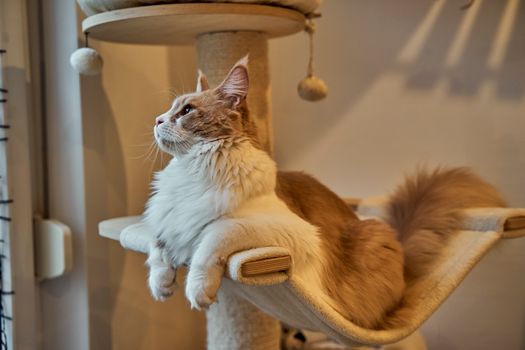
- $1 Invest in sturdy cat trees or install wall-mounted perches. Cats prefer locations with a view, so place these near windows if possible. - $1 Offer a variety of scratching options (vertical, horizontal, sisal, cardboard). Scratching is a natural behaviour for marking territory and maintaining claw health. - $1 Change the layout of furniture, add boxes or tunnels, and occasionally move toys to create novelty and encourage exploration.Research from the University of Bristol showed that cats with access to vertical space displayed 50% less stress-linked behaviours and had fewer conflicts with other cats in the household.
Sensory and Cognitive Enrichment: Stimulating Your Cat’s Mind
Mental stimulation is as vital as physical exercise. Cats are intelligent, curious animals that thrive on novelty and problem-solving.
Practical ideas for sensory and cognitive enrichment:
- $1 Rotate different cat-safe herbs like valerian, silver vine, or catnip. Hide scented objects in various parts of your home to encourage scent-tracking. - $1 Install a bird feeder outside a secure window perch to provide visual and auditory entertainment. - $1 Use clicker training to teach your cat simple tricks or commands. This strengthens your bond and challenges their intellect. - $1 There are several tablet and smartphone apps designed for cats, featuring moving fish, bugs, or dots. Monitor use so your cat doesn’t become frustrated or overstimulated.A 2021 study published in Applied Animal Behaviour Science found that cats regularly exposed to new and diverse sensory stimuli had improved overall welfare scores and showed less compulsive behaviour.
Customizing Enrichment for Different Cat Personalities
Every cat is unique, with preferences shaped by age, breed, health, and early life experiences. Kittens and young adults tend to be more active and curious, while seniors may prefer quieter, less physically demanding enrichment.
- $1 Start with low-stress activities, such as scent-based games or gentle play. Provide plenty of hiding spots and avoid overwhelming them with too many changes at once. - $1 Offer frequent play sessions, challenging puzzle toys, and climbing opportunities. - $1 Use softer toys, lower perches, and food puzzles that don’t require much effort to access.According to PetMD, tailoring enrichment activities to individual needs can increase participation rates by up to 60%, ensuring all cats benefit regardless of their personality or physical limitations.
Benefits of Feline Enrichment for Cats and Owners
The advantages of feline enrichment extend far beyond preventing boredom. Enriched cats are more likely to:
- Maintain a healthy weight—obese cats are 2.5 times more likely to develop diabetes. - Exhibit fewer behavioural problems, such as aggression or inappropriate urination. - Experience reduced stress and anxiety, which can improve immune function and lower the risk of stress-related illness. - Form stronger, more affectionate bonds with their owners through positive shared activities.For cat owners, enrichment means a cleaner home (less destructive behaviour), lower vet bills, and the joy of seeing their companion thrive. It’s a win-win scenario that enhances the quality of life for everyone involved.