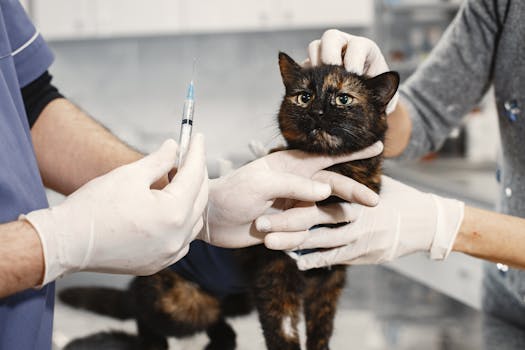
Feline obesity is a significant concern for cat owners and veterinary professionals, with over half of cats in the U.S. classified as overweight or obese. This condition not only compromises the quality of life of affected cats but also predisposes them to a range of serious health issues. Understanding the factors that contribute to feline obesity, as well as strategies for prevention and management, is crucial for maintaining the health and well-being of these beloved pets.
Causes of Feline Obesity
The primary driver of obesity in cats is an energy imbalance: consuming more calories than are expended. Contributing factors include:
.png)
- Sedentary Lifestyle: Many indoor cats are not sufficiently active, contributing to weight gain.
- Overfeeding: Cat owners often provide more food than their pets need, especially concerning calorie-dense foods.
- Dietary Choices: Some foods are higher in calories and can contribute to weight gain more quickly.
- Genetic Predisposition: Certain breeds like Maine Coons and Persians are more prone to obesity.
- Age and Neutering: Older and neutered cats tend to have slower metabolisms, making them vulnerable to weight gain.
Health Risks of Obesity
Obesity can lead to multiple health problems in cats, including:
- Diabetes Mellitus: A common issue that requires lifelong management and can severely impact a cat's quality of life.
- Joint Problems: Excess weight can exacerbate arthritis and other mobility issues.
- Respiratory Difficulties: Overweight cats can struggle with breathing issues.
- Hypertension and Increased Cancer Risk: Obese cats face a higher risk of high blood pressure and some forms of cancer.
Preventing Feline Obesity
Prevention is the most effective strategy against obesity. Key preventative measures include:
- Proper Diet Management: It's crucial to feed cats a balanced diet suited to their life stage and activity level, and to measure food portions accurately.
- Encouraging Exercise: Regular playtime that mimics hunting can help keep cats active and manage their weight.
- Regular Veterinary Check-ups: These help monitor a cat’s weight over time and adjust their diet or exercise regime as necessary.
- Owner Education: Understanding the caloric needs of your cat, and the nutritional content of their food, is essential.
Managing Existing Obesity
For cats that are already overweight or obese, a careful and structured approach is necessary:
- Consult a Veterinarian: A professional can provide a tailored weight loss plan that is safe and effective.
- Dietary Adjustments: Specialized weight management diets may be recommended, which are lower in calories but nutritionally complete.
- Increasing Activity: Introducing play gradually can help increase a cat's activity level without causing undue stress.
- Monitoring Progress: Regular weight checks and adjustments to diet and activity levels are crucial to ensure healthy weight loss.
Conclusion
While feline obesity is a prevalent issue, it is both preventable and manageable with the correct approach. By understanding the causes of weight gain and actively engaging in prevention and management strategies, cat owners can help their pets lead healthier and more active lives. The commitment to maintaining a cat’s ideal weight will significantly enhance their overall health and vitality.