The World of Cats: Understanding Feline Geography
Cats are some of the world’s most fascinating mammals, and their global distribution tells a remarkable story of adaptation, migration, and survival. From the frost-laden forests of Siberia to the humid jungles of Southeast Asia, felines have claimed a place on almost every continent. But what shapes the world of cats, and how does geography influence their lives, evolution, and even our relationships with them? In this exploration of feline geography, we’ll uncover how wild and domestic cats have spread, adapted, and diversified across the globe, and how their geographic stories are woven into the fabric of human culture and natural ecosystems.
The Global Distribution of Felines: A Snapshot
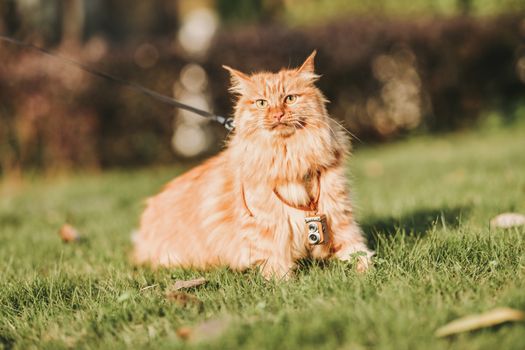
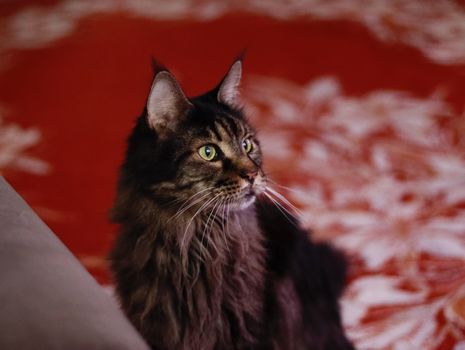
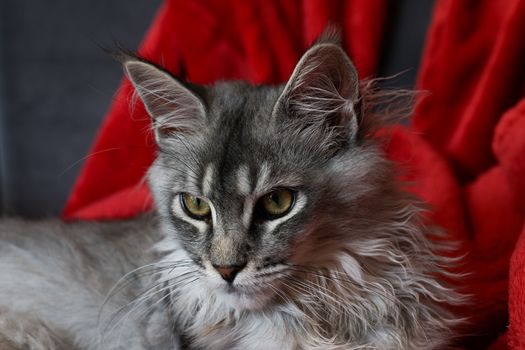
Felines, members of the family Felidae, are found on every continent except Antarctica and Australia (where domestic cats were introduced by humans). Today, there are 41 recognized wild cat species, ranging from the tiny rusty-spotted cat (Prionailurus rubiginosus) of India to the formidable Siberian tiger (Panthera tigris altaica) of eastern Russia. Domestic cats (Felis catus), descendants of the African wildcat (Felis lybica), are now estimated to number over 600 million worldwide, living on every continent except Antarctica.
Wild cat species tend to have specific geographic ranges, shaped by millions of years of evolution and environmental pressures. For example, the jaguar (Panthera onca) reigns in the rainforests of South and Central America, while the snow leopard (Panthera uncia) is adapted to the high, cold mountains of Central Asia. Meanwhile, domestic cats have followed humans into every corner of the world, thriving in urban, suburban, and rural environments alike.
.png)
| Cat Species | Native Continent(s) | Typical Habitat | Estimated Wild Population |
|---|---|---|---|
| Lion (Panthera leo) | Africa, small populations in India | Savanna, grassland | ~23,000 |
| Tiger (Panthera tigris) | Asia | Forest, grassland, mangrove | ~3,900 |
| Snow Leopard (Panthera uncia) | Central Asia | Mountainous regions | ~4,000–6,500 |
| Domestic Cat (Felis catus) | Worldwide | Urban, rural, wild | ~600 million (global population) |
Evolutionary Highways: How Geography Shaped Cat Diversity
The story of feline geography begins over 10 million years ago, when the first true cats emerged in Eurasia. As tectonic plates shifted and climates changed, early cats migrated and diversified, filling new ecological niches. This evolutionary journey was heavily influenced by geographic barriers like oceans, mountains, and deserts.
For example, North and South America were isolated from Eurasia for millions of years, leading to the independent evolution of species like the cougar (Puma concolor) and ocelot (Leopardus pardalis) in the Americas. In Africa, the spread of savannas favored the rise of the lion, while dense forests in Asia gave rise to the leopard and tiger. The world’s only native wild cat in Australia, the now-extinct Thylacoleo carnifex, was not a true cat but a marsupial “lion,” showing how isolated continents produced their own unique carnivores.
One astonishing fact: The domestic cat’s ancestor, the African wildcat, is believed to have been domesticated independently at least twice—once in the Near East around 10,000 years ago, and again in Egypt about 4,000 years ago. Both events were closely tied to agriculture and the rise of grain stores, which attracted rodents and, in turn, wildcats.
Climate, Habitat, and Adaptation: Cats in Every Environment
Cats display extraordinary adaptability to their environments, and their geographic distribution reflects this versatility. Here are a few striking examples:
- The sand cat (Felis margarita) thrives in the arid deserts of North Africa and Central Asia, with thick fur on its paws to walk on hot sand and large ears to dissipate heat. - The fishing cat (Prionailurus viverrinus) of South and Southeast Asia is semi-aquatic, with webbed feet and a love for water, hunting fish and amphibians in marshlands and rivers. - The Canada lynx (Lynx canadensis) is built for deep winter snows, with oversized, furry paws acting like snowshoes and a dense, insulating coat.These adaptations are not just physical. For instance, cats in colder regions tend to be larger and fluffier (as explained by Bergmann’s and Allen’s rules in ecology), while those in hot, open environments are leaner and lighter-colored.
Geographic isolation has also led to the evolution of some of the world’s rarest cats. The Iberian lynx (Lynx pardinus) was once found across the Iberian Peninsula, but habitat loss has reduced its range to a few protected areas in Spain and Portugal. Thanks to intensive conservation, its population has risen from just 94 individuals in 2002 to over 1,000 in 2023.
Human Influence: How People Changed Feline Geography
The relationship between humans and cats has profoundly altered feline geography. The spread of agriculture, trade routes, and colonization brought domestic cats to new lands, often with unintended consequences.
For example, when European settlers arrived in Australia in the 18th century, they brought cats to control rodents. Today, Australia is home to an estimated 2.8 million feral cats, which have contributed to the extinction of at least 20 native mammal species and threaten dozens more. Similar stories have played out on islands worldwide, from New Zealand to the Galápagos, where introduced cats have devastated local wildlife.
On the other hand, human intervention has also helped wild cats survive. Conservation efforts, such as the creation of wildlife corridors in India and the reintroduction of lynxes in Europe, have enabled some species to reclaim parts of their former range.
Urbanization has created new habitats for felines as well. In cities from Rome to Istanbul, feral and stray cats have formed stable colonies, adapting to life among people and finding new ways to thrive.
Cats in Culture: How Geography Shapes Feline Symbolism
Geography doesn’t just influence where cats live—it also shapes how they’re perceived. Across the world, felines are woven into local stories, beliefs, and customs, often reflecting the environments they inhabit.
In ancient Egypt, cats were sacred, associated with the goddess Bastet. Their ability to control vermin in grain stores made them invaluable, and their graceful, mysterious nature was immortalized in art and mythology. In contrast, in parts of Europe during the Middle Ages, cats were sometimes linked with witchcraft, especially black cats, which led to centuries of superstition.
In Japan, the “maneki-neko” or beckoning cat figurine, often found in shops and restaurants, is believed to bring good fortune. The Japanese bobtail, a native breed, became the inspiration for this symbol, showing how local breeds and beliefs intertwine.
In Africa, the lion is a symbol of strength and royalty, featured on national emblems and in traditional folklore. Meanwhile, the elusive snow leopard is revered in Central Asian cultures, considered a guardian of the mountains and a symbol of independence.
The Future of Feline Geography: Conservation and Change
The world of cats is constantly evolving, shaped by both natural forces and human activity. Today, 14 wild cat species are listed as “Vulnerable” or “Endangered” by the IUCN Red List, facing threats from habitat loss, poaching, and climate change. Tigers, for example, have lost over 93% of their historic range in the past century, now surviving mostly in isolated pockets.
However, conservation efforts are making a difference. The Amur leopard (Panthera pardus orientalis), once reduced to fewer than 30 individuals in the Russian Far East, has rebounded to over 100 thanks to anti-poaching patrols and habitat protection. Similarly, global initiatives like the Panthera organization’s “Cats Forever” campaign aim to secure habitats for the world’s wild cats and ensure their survival into the next century.
Domestic cats, too, face challenges and opportunities in a changing world. Urbanization, climate change, and shifting human attitudes all shape where and how cats live. Programs like Trap-Neuter-Return (TNR) are helping manage urban cat populations humanely, while cat cafes and adoption programs are giving stray cats new homes.
Exploring the World of Cats: Geography’s Lasting Impact
From icy tundra to sun-baked savannas and bustling city streets, the story of cats is deeply tied to the geography of our planet. Their remarkable adaptability has allowed felines to become both solitary survivors in the wild and beloved companions in our homes. Understanding feline geography not only enriches our knowledge of this extraordinary animal family but also highlights the importance of preserving the environments that sustain them. As we look to the future, the ongoing partnership between people and cats will continue to shape—and be shaped by—the varied landscapes of our world.