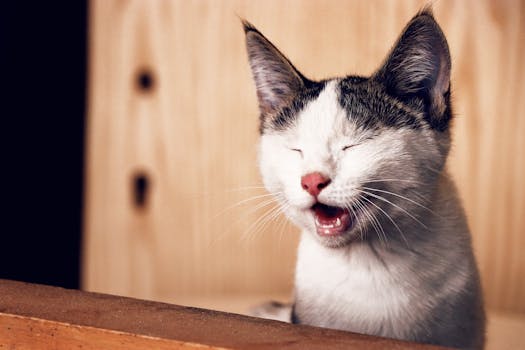
The Story of Hello Kitty: The Influence of Cats in Popular Culture
Cats have long held a captivating place in the hearts and imaginations of people around the world. From ancient myths to internet memes, felines have left their paw prints on art, literature, and modern media. Perhaps no cat has had a greater global impact than Hello Kitty, the iconic character whose simple design and enigmatic smile have made her a symbol of cuteness and cultural fusion. The story of Hello Kitty is not just a tale of one cartoon cat but also a fascinating window into how cats shape trends, aesthetics, and commerce in popular culture.
The Origins of Hello Kitty: From Japanese Stationery to Global Icon
Hello Kitty first appeared in 1974, created by designer Yuko Shimizu for Sanrio, a Japanese company specializing in cute gifts and accessories. The character debuted on a small vinyl coin purse, wearing her trademark red bow and a blue dress, and was soon accompanied by a fictional backstory: Hello Kitty, whose real name is Kitty White, was born in suburban London, England. This detail was a deliberate marketing choice, as British culture was popular in Japan at the time.
By 1976, Hello Kitty was officially trademarked in the United States, and her popularity exploded. Sanrio’s annual report for 2019 indicated that Hello Kitty products are sold in over 130 countries, generating approximately $8 billion in retail sales each year. This staggering figure puts Hello Kitty among the world’s top-grossing fictional characters, surpassing even many Disney icons.
.png)
The success of Hello Kitty is closely tied to the Japanese concept of "kawaii" (meaning "cute" or "adorable"), a cultural phenomenon that values childlike innocence and playfulness. By embodying these traits, Hello Kitty became the poster child for kawaii culture and helped export the aesthetic to the West.
Cats as Cultural Symbols: Why Felines Fascinate Us
Cats have been revered, feared, and adored throughout history. In ancient Egypt, they were worshipped as sacred animals, often associated with the goddess Bastet. In Japan, the "maneki-neko" or beckoning cat is a symbol of good fortune, commonly seen in shops and restaurants.
The appeal of cats in culture can be attributed to several factors:
- $1: Cats are often seen as enigmatic, self-sufficient creatures, which makes them intriguing characters in stories and media. - $1: Their graceful movements and expressive faces lend themselves well to art and animation. - $1: Cats are associated with a wide range of symbolic meanings, from luck and magic to curiosity and cunning.Hello Kitty’s design distills these feline traits into a universally appealing package. Unlike more realistic cat characters, Hello Kitty’s simple, mouthless face allows people to project their own emotions onto her, making her a "blank canvas" for personal interpretation.
Hello Kitty’s Impact on Fashion and Lifestyle
Hello Kitty’s influence extends far beyond the toy aisle. She has appeared on everything from children’s pajamas to adult designer handbags, kitchen appliances, and even airplanes. In 2008, EVA Air, a Taiwanese airline, launched a Hello Kitty-themed aircraft, complete with branded boarding passes, headrest covers, and in-flight meals.
Major fashion designers have also embraced the character. In 2014, Italian fashion house Fendi released a capsule collection featuring Hello Kitty motifs, and in 2019, Puma launched a limited-edition line of sneakers and apparel. According to Sanrio, over 50,000 Hello Kitty-branded products are produced each year, and the character has been licensed to more than 2,000 companies globally.
The phenomenon of "Hello Kitty adults"—fans who grew up with the character and continue to collect or wear Hello Kitty items—demonstrates how the brand transcends age and gender. This enduring appeal has helped Sanrio build a multi-generational fanbase, making Hello Kitty both nostalgic and perpetually trendy.
Comparing Hello Kitty and Other Famous Cat Characters
Hello Kitty is by no means the only feline to capture the world’s imagination. From Garfield’s sardonic humor to the magical adventures of the Cheshire Cat, cats have starred in a wide array of media. The table below compares Hello Kitty with some of the most influential cat characters in popular culture:
| Character | Origin | Year Introduced | Global Reach | Estimated Annual Revenue | Main Appeal |
|---|---|---|---|---|---|
| Hello Kitty | Sanrio, Japan | 1974 | 130+ countries | $8 billion | Cuteness, simplicity, versatility |
| Garfield | Comic strip, USA | 1978 | 111 countries | $750 million | Humor, sarcasm, relatability |
| Cheshire Cat | Alice in Wonderland, UK | 1865 | Global | N/A | Mystery, surrealism, wit |
| Felix the Cat | Animated cartoon, USA | 1919 | Global | N/A | Classic animation, slapstick |
| Luna (Sailor Moon) | Anime, Japan | 1991 | Global (esp. Japan, USA) | N/A | Magical guide, loyalty |
This comparison highlights Hello Kitty’s dominance in terms of global reach and financial success, but it also shows the diversity of cat characters and their unique contributions to popular culture.
The Psychology of Cat Appeal: Why We Love Feline Icons
What is it about cats—real or cartoon—that makes them so irresistible? Psychological research offers some clues:
- $1: According to a 1943 study by ethologist Konrad Lorenz, features like large eyes, round faces, and small noses trigger caregiving instincts in humans. Hello Kitty’s design maximizes these "baby-like" features, making her especially endearing. - $1: Psychologist Daniel Harris argues that cartoon characters with fewer facial features allow viewers to project their own emotions onto them. Hello Kitty’s lack of a mouth is a deliberate choice, allowing fans to interpret her mood as happy, sad, or contemplative, depending on their own feelings. - $1: Cats are often linked to domestic comfort and relaxation. In stressful times, surrounding oneself with cute or familiar cat imagery can provide emotional reassurance. In fact, a 2015 Indiana University study found that watching cat videos online boosts viewers’ energy and positive emotions while reducing negative feelings.These factors combine to make feline icons like Hello Kitty not just popular, but powerful tools for emotional connection and self-expression.
Cats and Consumerism: The Economic Power of Feline Branding
The commercial success of Hello Kitty and other cat characters is a testament to the economic influence of feline branding. According to research by Licensing International, character licensing (including Hello Kitty and other cats) was worth $292.8 billion globally in 2019. Cute cat imagery appears on everything from food packaging to credit cards, and brands use cats to tap into a sense of fun and familiarity.
Sanrio’s business model is built on licensing, rather than direct manufacturing, which allows Hello Kitty to appear on a staggering range of products—from school supplies to medical equipment. This flexibility keeps the brand fresh and adaptable, ensuring that Hello Kitty remains relevant in changing markets.
Moreover, the rise of social media has given cats an even bigger stage. Viral cat videos, Instagram-famous felines like Nala Cat (with over 4 million followers), and meme icons like Grumpy Cat have created new avenues for feline influence. While Hello Kitty predates the internet, she has seamlessly transitioned into the digital age, with her own social media presence and collaborations with online platforms.
Final Reflections: Hello Kitty’s Lasting Influence and the Enduring Allure of Cats
The story of Hello Kitty is more than a tale of clever marketing—it’s a reflection of the deep bond between humans and felines, and of how cats continue to inspire creativity, comfort, and community across cultures and generations. From ancient symbols of luck to modern avatars of cuteness and commercial power, cats have proven time and again that their appeal is truly timeless.
Hello Kitty’s journey from a modest coin purse to a global phenomenon demonstrates the power of simplicity, adaptability, and emotional resonance. As long as people seek moments of joy and connection, cats—both real and imagined—will remain at the heart of popular culture.