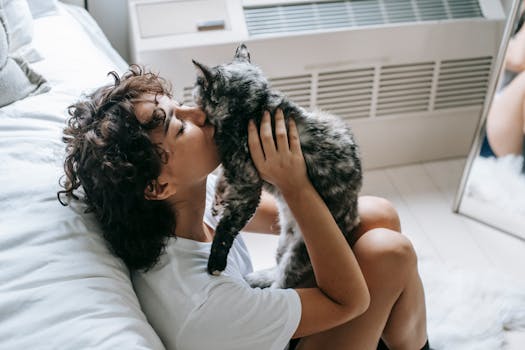
Living with a cat when you have allergies might seem daunting, but with the right strategies, it's entirely possible to enjoy the company of your feline friends while keeping allergy symptoms at bay. Understanding the causes and exploring various management techniques can make a significant difference in your quality of life.
What Causes Cat Allergies?
Cat allergies are triggered by proteins such as Fel d 1, found predominantly in the cat’s dander (dead skin cells), saliva, and urine. When these proteins come into contact with an allergic person’s immune system, it mistakenly identifies them as harmful, triggering an allergic response.
.png)
Managing Cat Allergies: Strategies and Solutions
Managing cat allergies effectively involves a combination of environmental controls, grooming practices, and medical interventions. Here’s an overview of these strategies:
- Environmental Control:
- HEPA Filters: Using air purifiers with HEPA filters can trap allergens present in the air.
- Regular Cleaning: Vacuuming with a HEPA vacuum cleaner and washing fabrics where cat dander might accumulate (like beds and sofas) can reduce allergens.
- Designate Allergen-Free Zones: Ideally, keep cats out of bedrooms and other areas where you spend a lot of time.
- Grooming and Bathing:
- Regular Grooming: Brushing your cat frequently can help reduce the amount of dander and loose hair.
- Bathing: While not all cats tolerate baths, those that do might benefit from occasional bathing to reduce surface allergens.
- Medical Treatments:
- Over-the-Counter Remedies: Antihistamines and nasal sprays can help alleviate symptoms.
- Allergen Immunotherapy: Allergy shots might be considered for long-term relief, as they gradually desensitize the immune system to allergens.
Evaluating the Pros and Cons
Each method comes with its own set of challenges:
- Environmental controls are highly effective but require ongoing effort and maintenance.
- Grooming depends largely on how well your cat tolerates these activities.
- Medical treatments offer symptom control but might involve side effects or long-term commitments (like regular allergy shots).
Real-Life Application
Take, for example, John, an allergy sufferer who adopted a cat not knowing he was allergic. By combining HEPA air filtration, regular grooming of his pet, and using antihistamines as needed, he managed to keep his allergy symptoms under control, allowing him to enjoy life with his new companion.
Conclusion
While managing cat allergies requires some adjustments to your lifestyle, many cat owners find these changes worthwhile for the joy their pets bring. By implementing strategic cleaning, grooming, and treatment options, and working closely with a healthcare provider, it's possible to live harmoniously with cats—even for allergy sufferers. Each strategy might not work for everyone, so it's important to find the right combination that works for you.