Cats have captivated humans for thousands of years with their mysterious personalities, striking looks, and remarkable diversity. Behind every feline trait—from the length of a Persian’s coat to the Siamese’s piercing blue eyes—lies a fascinating world of genetics. Whether you share your home with a purebred champion or a lovable moggy, understanding feline genetics can deepen your appreciation for the incredible variety found among cat breeds. This guide explores the science behind feline genetics, how it shapes breeds, and what it means for cat lovers everywhere.
The Basics of Feline Genetics: Genes, Chromosomes, and Inheritance
Every cat, from the tiniest kitten to the grandest show winner, is the product of its genes. A gene is a segment of DNA that controls specific traits, such as fur color or ear shape. Cats have 38 chromosomes, arranged in 19 pairs, which carry thousands of genes passed down from their parents.
Feline genetics operates on the principles of inheritance first described by Gregor Mendel. Each gene typically comes in pairs—one from the mother, one from the father. Some traits are dominant, meaning only one copy is needed for them to be expressed, while others are recessive and require two copies. For example, the gene for black fur is dominant, while the gene for blue (gray) fur is recessive.
.png)
Certain traits are controlled by multiple genes. Coat color, for instance, involves several genes interacting in complex ways. Mutations, or changes in the DNA sequence, can introduce new characteristics, which may become common in particular breeds through selective breeding.
How Genetics Shapes Cat Breeds: From Siamese Points to Maine Coon Size
Selective breeding harnesses genetics to emphasize specific traits, creating the unique look and temperament of each cat breed. Breeders select cats with desirable features—such as the Scottish Fold’s distinctive ears or the Bengal’s wild-looking spots—and breed them over generations to establish those traits as breed standards.
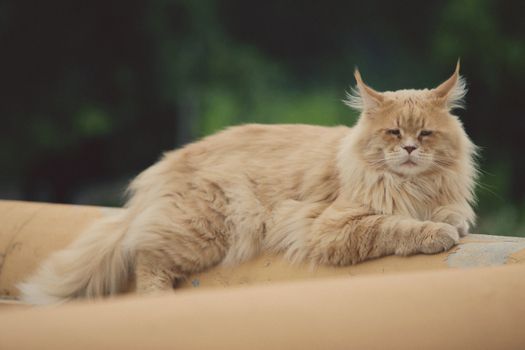
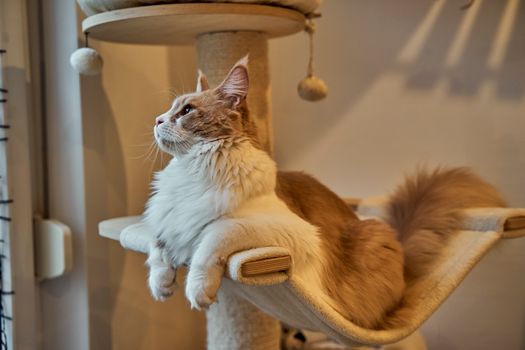
For example, the Siamese cat’s signature colorpoints result from a temperature-sensitive mutation in the tyrosinase gene, which affects pigmentation. The cooler the body part (like the ears, tail, and paws), the darker the color. The Maine Coon’s impressive size stems from a combination of genes affecting growth hormone regulation and bone structure.
Genetics also shapes personality. The Ragdoll breed, known for its docile and affectionate nature, exhibits specific temperament genes that breeders have selected for decades. However, environment and socialization also play significant roles in a cat’s behavior, so genetics is only part of the story.
Decoding Coat Colors, Patterns, and Textures in Cats
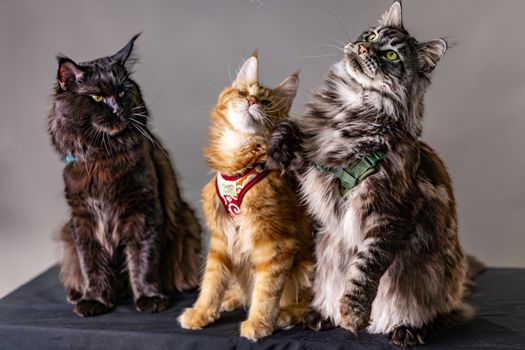
One of the most visible ways genetics expresses itself is in a cat’s coat. There are more than 60 recognized coat colors and patterns in domestic cats, from classic tabby stripes to solid hues and intricate tortoiseshell mosaics.
Key genes involved in feline coat color and pattern include:
- The Agouti gene: Determines whether a cat’s fur is banded (tabby) or solid. - The Orange gene: Located on the X chromosome, this gene determines if fur will be orange (red) or not. This is why nearly 80% of orange cats are male. - The Dilution gene: Mutes colors, turning black into blue (gray), red into cream, and so on.Fur length and texture are also genetically determined. The long hair of Persians and Maine Coons comes from a recessive gene, while the short coat of the British Shorthair is dominant. Curly coats in breeds like the Devon Rex and Selkirk Rex are the result of specific mutations in the keratin gene, altering hair structure.
Here is a comparison of common coat patterns and their genetic basis:
| Coat Pattern | Key Gene(s) | Example Breeds | Inheritance |
|---|---|---|---|
| Tabby (Classic, Mackerel, Spotted, Ticked) | Agouti (A), Tabby (T) | Abyssinian, Bengal, American Shorthair | Dominant (A), Multiple modifiers |
| Solid (No Pattern) | Non-agouti (a) | British Shorthair, Russian Blue | Recessive (a/a) |
| Tortoiseshell/Calico | Orange (O), X-linked | Domestic Shorthair, Japanese Bobtail | X-linked, mostly female |
| Pointed | Tyrosinase (cs) | Siamese, Birman | Recessive (cs/cs) |
Health and Genetics: Hereditary Conditions in Cat Breeds
Genetic diversity is crucial for the health of any species. While selective breeding creates beautiful and distinctive breeds, it can also concentrate harmful genes, increasing the risk of hereditary diseases.
For instance, polycystic kidney disease (PKD) affects nearly 36% of Persian cats worldwide due to a single mutated gene. Maine Coons are prone to hypertrophic cardiomyopathy (HCM), a heart condition caused by genetic mutations, with studies showing up to 40% of Maine Coons carrying at least one copy of the gene. Siamese cats have a higher incidence of progressive retinal atrophy (PRA), which can lead to blindness.
Responsible breeders work to reduce the prevalence of such conditions through genetic testing, careful record-keeping, and outcrossing—breeding with unrelated cats to increase genetic diversity. This not only improves the health of individual cats but also strengthens the breed as a whole.
Genetic testing is now widely available and can screen for over 40 hereditary conditions and traits, helping breeders and owners make informed decisions.
Feline Genetics Beyond Breeds: The Diversity of Domestic Cats
Purebred cats make up less than 10% of the global cat population; the vast majority are “domestic” or mixed-breed cats, often called moggies. These cats display an incredible variety of colors, patterns, and traits, thanks to their diverse gene pool.
Unlike purebred cats, moggies benefit from greater genetic diversity, which generally results in fewer hereditary health problems. Their traits are a mosaic of generations of natural selection, local adaptations, and sometimes the influence of stray purebred cats.
Genetic studies of domestic cats reveal fascinating histories. For example, a 2017 analysis of 200,000 cats found that tabby patterns are the most common globally, but regional differences exist—solid colors are more common in urban areas, while tabbies dominate rural populations. These trends reflect both genetics and the influence of human preferences over time.
Modern genetic research is also uncovering the ancestry of cats. All domestic cats (Felis catus) descend from the African wildcat (Felis lybica), domesticated approximately 10,000 years ago in the Near East. The spread of cats across continents led to the emergence of unique local varieties, some of which became the foundation for today’s recognized breeds.
The Future of Feline Genetics: Advances and Ethical Considerations
The science of feline genetics is advancing rapidly. Today, whole genome sequencing can identify not only ancestry but also hidden health risks and unexpected traits. In 2021, scientists sequenced the complete genome of the domestic cat, uncovering nearly 20,000 genes and providing new insights into inherited diseases, coat color, and even behavior.
Genetic research is also leading to the development of new breeds—such as the Lykoi, or “werewolf cat,” which has a unique sparse coat due to a spontaneous mutation. However, this progress raises ethical questions. How far should breeders go in selecting for unusual traits? Is it ethical to breed cats for extreme features if it risks their health or well-being?
Organizations like The International Cat Association (TICA) and the Cat Fanciers’ Association (CFA) set guidelines to balance breed standards with health and welfare. The use of genetic testing, transparent breeding practices, and a focus on diversity are helping to ensure a healthier future for all cats, purebred or not.
Final Thoughts on Understanding Feline Genetics and Cat Breeds
The diversity seen in cat breeds is a testament to the power of genetics and the creativity of breeders. From the elegant Siamese to the rugged Norwegian Forest Cat, every breed tells a story written in DNA. Understanding feline genetics not only demystifies the origins of your cat’s appearance and personality but also highlights the importance of responsible breeding and genetic diversity.
Whether you are a breeder, a curious cat owner, or someone considering adopting a new feline friend, a basic understanding of genetics can help you make more informed choices and appreciate the wonderful variety found in the feline world.