Cats are naturally curious, intelligent, and active animals. While keeping cats indoors is often the safest choice—protecting them from traffic, predators, disease, and other hazards—it also creates unique challenges for their mental and physical well-being. Without the stimulation they would find outdoors, indoor cats can become bored, anxious, or even develop behavioral problems. This comprehensive guide explores the science and strategies behind keeping indoor cats stimulated, offering fresh ideas and actionable solutions for feline enrichment that go far beyond the basics.
The Science Behind Feline Enrichment: Why Stimulation Matters
Feline enrichment is not just a trend—it’s a necessity. Studies show that indoor cats can become susceptible to stress, obesity, and even depression if their environment is not stimulating enough. According to a 2021 survey by the American Veterinary Medical Association, nearly 70% of veterinarians report seeing behavioral or health issues in indoor cats linked to boredom and lack of stimulation.
Cats’ brains are wired for hunting, exploring, and problem-solving. In the wild, a cat may spend 6-8 hours a day hunting and exploring. When these needs are not met indoors, cats may start exhibiting undesirable behaviors such as overgrooming, aggression, or destructive scratching. Enrichment is about replicating the complexity and unpredictability of the outside world within the safety of your home.
.png)
Understanding the Different Types of Enrichment for Indoor Cats
Enrichment for indoor cats isn’t one-size-fits-all. There are several key categories that, when used together, create a dynamic and fulfilling home life for your cat:
- Physical enrichment: Activities and objects that encourage movement, jumping, and climbing. - Sensory enrichment: Stimuli that engage your cat’s senses of smell, sight, hearing, and touch. - Cognitive enrichment: Puzzles, training, and tasks that challenge your cat’s intelligence. - Social enrichment: Positive interactions with humans or other pets. - Nutritional enrichment: Ways to make feeding time more stimulating and rewarding.Let’s look at a comparative overview of common enrichment strategies:
| Enrichment Type | Examples | Benefits |
|---|---|---|
| Physical | Cat trees, shelves, obstacle courses | Exercise, coordination, confidence |
| Sensory | Window perches, cat-safe herbs, videos for cats | Mental engagement, reduces boredom |
| Cognitive | Puzzle feeders, treat-dispensing toys, training games | Intellectual stimulation, problem-solving |
| Social | Interactive play, training sessions, companion animals | Bonding, reduces loneliness |
| Nutritional | Foraging toys, DIY treat hunts, rotating diets | Slower eating, mimics natural hunting |
A well-stimulated cat will benefit from a mix of these enrichment types, tailored to their personality and preferences.
Designing an Enriching Indoor Environment: Beyond Cat Trees
Many cat owners are familiar with cat trees, scratching posts, and basic toys, but true enrichment means transforming your home into a feline playground. Here are innovative ideas for creating a stimulating environment:
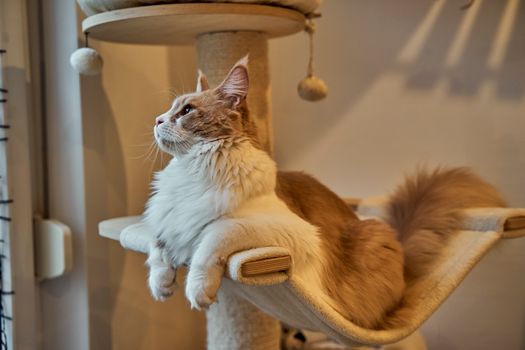
- Vertical space: Install wall-mounted shelves, bridges, and walkways. Cats love being up high, and vertical territory increases their sense of space. - Hideaways and tunnels: Cardboard boxes, fabric tunnels, and cat cubes provide essential hiding spots and exploration opportunities. - Rotating layouts: Rearrange furniture or cat accessories periodically. New configurations keep your cat curious and engaged. - Scent objects: Introduce safe scents, such as catnip, silvervine, or valerian, and rotate them to keep things interesting. - Outdoor views: Place window perches or bird feeders outside windows. This provides hours of entertainment and mental stimulation. - Water features: Some cats love moving water. A cat-friendly fountain can stimulate natural drinking behaviors and curiosity.According to a study by the Journal of Feline Medicine and Surgery, cats with access to at least three different types of enrichment are 40% less likely to develop behavioral issues compared to cats with minimal stimulation.
Interactive Play: The Key to Daily Mental and Physical Engagement
While environmental changes are important, nothing replaces interactive play. Cats are predators at heart, and play is how they practice hunting skills. Here’s how to make playtime truly enriching:
- Use wand toys that mimic prey: Move toys like birds, insects, or mice in unpredictable patterns. - Schedule multiple short play sessions: Cats prefer several 5-10 minute sessions over one long one. - Rotate toys: Prevent boredom by hiding some toys and bringing them out in rotation. - Try laser pointers with caution: Always end with a tangible toy your cat can catch to prevent frustration. - Experiment with DIY toys: Paper balls, feather bundles, or even old socks can become exciting new prey.A 2019 study published in Applied Animal Behaviour Science found that just 15 minutes of interactive play per day can reduce stress behaviors and increase positive social interactions in indoor cats by up to 50%.
Cognitive Challenges: Training and Puzzles for Clever Cats
Cats are highly intelligent, and mental stimulation is just as important as physical activity. Cognitive enrichment can prevent boredom and even slow cognitive decline in senior cats. Here’s how to challenge your cat’s mind:
- Puzzle feeders: These require cats to solve a task to access food, mimicking natural hunting. - Clicker training: Teach tricks or commands—yes, cats can learn sit, high-five, or even fetch! - Scent trails: Hide treats around the house and let your cat “hunt” for them using their sense of smell. - Interactive apps and videos: Some apps are designed for cats, featuring moving fish or insects to “catch” on a tablet screen. - Obstacle courses: Set up paths with pillows, boxes, or low jumps to encourage exploration and problem-solving.A 2022 survey from International Cat Care showed that cats given regular access to puzzle toys were 60% more likely to display playful behavior and less likely to show signs of depression.
Preventing Boredom and Behavioral Problems: Recognizing the Signs
Despite your best efforts, some cats may still become bored or understimulated. Recognizing the signs early can help you intervene before serious problems develop. Common signs of boredom or stress in indoor cats include:
- Overgrooming or fur loss - Destructive scratching or chewing - Increased vocalization or aggression - Lethargy or withdrawal - Compulsive behaviors (such as excessive licking or pacing)If you notice these behaviors, assess your cat’s environment and enrichment routine. Try introducing new challenges, increasing playtime, or consulting a veterinarian or feline behaviorist for guidance.
Final Thoughts on Keeping Indoor Cats Stimulated
Keeping indoor cats stimulated is an ongoing process that requires creativity, observation, and a willingness to adapt as your cat’s needs change. By offering a variety of enrichment types—physical, sensory, cognitive, social, and nutritional—you can help your feline companion live a happier, healthier, and more fulfilling life indoors. Remember, a stimulated cat is less likely to develop behavioral or health problems, and more likely to enjoy a close, trusting bond with you.