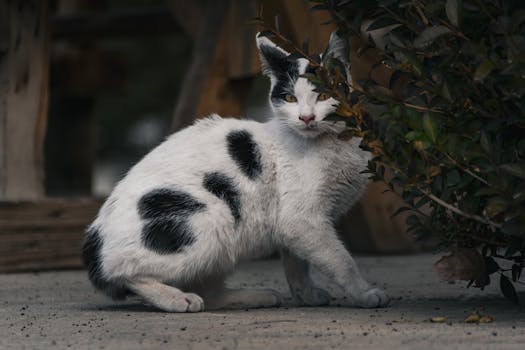
Cats are cherished companions in millions of homes, and their health is a top priority for any responsible owner. While most guides focus on diseases and prevention, understanding the unique ways cats express discomfort or illness is just as crucial. Unlike humans and even dogs, cats are masters at hiding their symptoms—a survival trait inherited from their wild ancestors. This article delves into the subtle signs of feline illness, explores why early detection is critical, and highlights how proactive monitoring can make all the difference in managing cat health.
The Silent Sufferers: Why Cats Hide Illness
Cats evolved as both predators and prey. In the wild, showing signs of weakness could make them vulnerable, so they became experts at masking pain and sickness. According to a 2022 survey by the American Veterinary Medical Association, over 60% of cat owners failed to notice the early symptoms of illness in their pets, often mistaking subtle changes for "normal cat behavior."
This instinctual secrecy means that by the time a cat visibly displays symptoms, the underlying issue may already be advanced. For instance, conditions like hyperthyroidism, arthritis, or dental disease can progress for months without obvious signs. This makes it vital for owners to observe even minor behavioral or physical changes.
.png)
Subtle Signs Your Cat May Be Unwell
Cats rarely cry out or draw attention to themselves when feeling unwell. Instead, they may exhibit small but significant shifts in their routine. Here are some key behaviors and symptoms to watch for:
- Changes in Grooming: While cats are typically fastidious groomers, both over-grooming (leading to bald spots) and under-grooming (resulting in a greasy or matted coat) can signal discomfort or stress. - Altered Appetite: Sudden increases or decreases in food and water intake can indicate anything from dental problems to diabetes or kidney issues. - Litter Box Habits: Avoiding the litter box, straining, or urinating outside the box may point to urinary tract problems or stress-related illness. - Hiding or Isolation: Cats that suddenly become reclusive or less interactive often do so because they’re in pain. - Vocalization Changes: An increase in meowing, growling, or other vocal behaviors can indicate distress, especially in older cats. - Weight Fluctuations: Unexplained weight loss or gain is often a red flag for metabolic or digestive disorders. - Mobility Issues: Hesitation to jump, stiffness, or limping may suggest arthritis or injury.Veterinary studies have shown that early intervention at the first sign of these subtle symptoms can increase recovery rates by up to 40%.
Comparing Cat Illness Detection: At-Home Monitoring vs. Veterinary Tests
To help you understand the strengths and limitations of at-home observation versus veterinary diagnostics, here’s a comparison table:
| Approach | What It Detects | Pros | Cons |
|---|---|---|---|
| At-Home Monitoring | Behavioral changes, eating/drinking habits, grooming, litter box use | Immediate, ongoing, no cost | May miss internal issues, subjective, relies on owner awareness |
| Veterinary Tests | Bloodwork, urinalysis, X-rays, ultrasounds | Objective, detects hidden/internal conditions | Requires appointments, higher cost, not continuous |
The most effective strategy is a combination of vigilant home monitoring and regular professional checkups. The American Association of Feline Practitioners recommends annual wellness exams for all cats, with bi-annual visits for seniors over age 10.
Unique Cat Illnesses with Subtle Symptoms
Some feline illnesses are notorious for their elusive early signs. Here are three examples where subtlety reigns:
1. $1: The most common hormonal disorder in older cats, affecting roughly 10% of cats over age 10, can begin with nothing more than slight hyperactivity, increased appetite, or subtle weight loss. 2. $1: Affecting up to 90% of cats over age 12, arthritis often goes unrecognized because cats don’t limp like dogs—they simply jump less or sleep more. 3. $1: Present in about 30% of senior cats, this condition starts with increased drinking and urination, but these changes may be gradual enough to escape notice for months.Recognizing these early signs allows for interventions that can significantly improve quality of life and longevity. For example, early treatment of hyperthyroidism can reduce the risk of heart disease and high blood pressure.
Tools and Technology for Early Illness Detection
Modern technology is transforming how we monitor our cats’ health. Here are some innovative tools that make it easier to spot problems early:
- $1: Devices like the Litter-Robot 4 can track frequency and duration of litter box visits, sending alerts if your cat’s habits change. - $1: Collars like the Felcana Health Monitor record activity levels, sleep patterns, and temperature, helping to flag unusual behaviors. - $1: Interactive cameras with AI analytics can alert you to deviations in movement or vocalization, which may indicate illness.According to a 2023 Pet Tech Industry Report, households using at least one smart monitoring device reported a 25% faster response time to emerging health problems.
How to Respond When You Notice Subtle Illness Signs
If you observe even minor changes in your cat’s behavior or routine, take these steps:
1. $1: Keep a daily log of symptoms, appetite, water intake, litter box use, and activity levels. This record will help your vet make an accurate assessment. 2. $1: Don’t wait for severe symptoms. Early professional evaluation can prevent complications. 3. $1: Bring your symptom log, list of recent diet or environmental changes, and a stool or urine sample if possible. 4. $1: Adhere to any recommended treatment plans, and continue monitoring for changes.Prompt action is vital. A study published in the Journal of Feline Medicine and Surgery found that cats whose illnesses were detected and treated in the early stages had a 35% higher survival rate over five years than those diagnosed later.
Proactive Feline Health: Observational Skills Save Lives
Cat health goes beyond vaccinations and annual checkups. Developing a keen eye for subtle changes in your cat’s behavior can be lifesaving. By combining at-home observation with veterinary expertise and new technology, you can catch illnesses before they become severe and provide your cat with the best possible chance for a long, happy life.
Staying attuned to your cat’s silent signals is a loving act of care. In a world where our feline friends can’t tell us what’s wrong, your attention and action become their strongest defense.