Exploring the Different Cat Breeds: A Detailed Guide
Cats have captivated human hearts for thousands of years, gracing our homes with their elegance, mystery, and unique personalities. Today, there are over 70 recognized cat breeds worldwide, each with its own fascinating history, appearance, and temperament. Whether you’re a long-time feline enthusiast or considering your first adoption, understanding the diversity among cat breeds can help you find the perfect companion. This detailed guide will journey through the world of cat breeds, highlighting their origins, defining characteristics, health considerations, and suitability as pets.
The Origins and Evolution of Domestic Cat Breeds
The domestic cat’s journey began around 10,000 years ago, when wildcats first started associating with human settlements in the Near East. Fast forward to the present day, the International Cat Association (TICA) and the Cat Fanciers’ Association (CFA) recognize between 44 and 73 different breeds, depending on the registry.
Early cat breeds developed naturally, shaped by geography and climate. The Egyptian Mau, for example, traces its ancestry to ancient Egypt, while the Norwegian Forest Cat evolved to thrive in the cold forests of Scandinavia. In the past 150 years, selective breeding has led to an explosion of new breeds, focusing on appearance, temperament, and even hypoallergenic traits.
.png)
Notably, some breeds—like the Siamese or Persian—have histories stretching back centuries, while others such as the Bengal or Savannah are relatively new, emerging in the latter half of the 20th century. This evolution reflects our changing relationship with cats, moving from rodent control to beloved family members and show companions.
Popular Cat Breeds: Appearance, Temperament, and Care
Each cat breed boasts its own combination of looks, personality, and care requirements. Here are five of the world’s most popular breeds and what makes them unique:
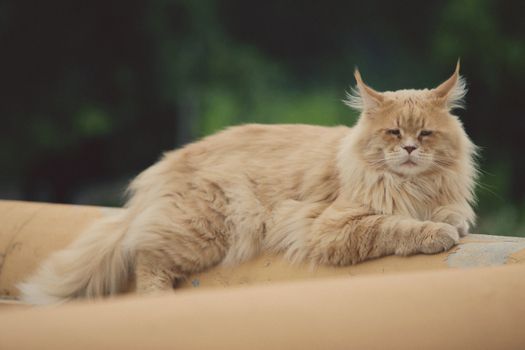
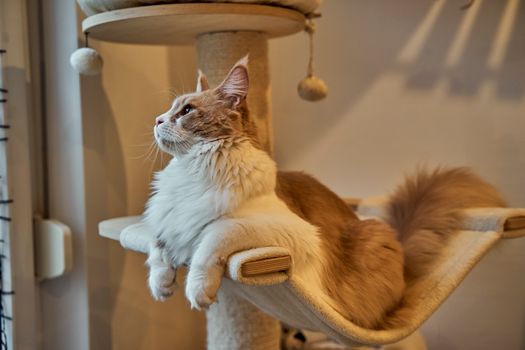
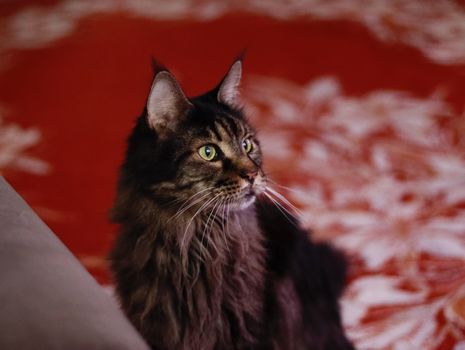
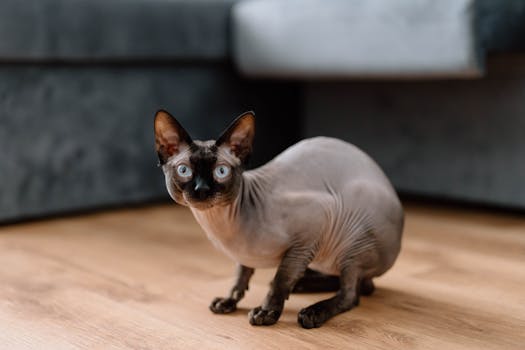
1. $1 Known for their luxurious, long coats and round faces, Persians are gentle and affectionate. They require regular grooming—at least three times a week—to prevent matting. 2. $1 Easily recognized by their sleek bodies and striking blue eyes, Siamese cats are vocal and social. They thrive on interaction and may become lonely if left alone for long periods. 3. $1 One of the largest domestic breeds, Maine Coons can weigh up to 18 pounds (8 kg). They are friendly “gentle giants” with tufted ears and bushy tails, known for their dog-like loyalty. 4. $1 This breed is famous for its wild appearance, featuring leopard-like spots. Bengals are energetic, intelligent, and love to play, making them ideal for active households. 5. $1 The hairless Sphynx stands out for its unique look and endearing personality. Contrary to popular belief, Sphynx cats need regular bathing to remove skin oils.Statistically, the CFA lists the Persian as the most registered breed in the U.S., followed closely by the Maine Coon and Exotic Shorthair. Breed popularity can vary by country and even by region, reflecting local preferences and trends.
Comparing Cat Breeds: Size, Lifespan, and Temperament
Choosing a cat breed involves considering several factors, including size, lifespan, and temperament. The following table offers a comparison of some well-known breeds:
| Breed | Average Weight (lbs) | Average Lifespan (years) | Temperament | Grooming Needs |
|---|---|---|---|---|
| Maine Coon | 10-18 | 12-15 | Gentle, Sociable | Medium |
| Siamese | 6-14 | 11-15 | Vocal, Affectionate | Low |
| Persian | 7-12 | 12-17 | Calm, Sweet | High |
| Bengal | 8-15 | 12-16 | Active, Intelligent | Low |
| Sphynx | 6-12 | 8-14 | Playful, Affectionate | High (bathing) |
| British Shorthair | 9-18 | 12-17 | Easygoing, Loyal | Low |
As shown, breeds like the Maine Coon and British Shorthair are heavier, while Siamese and Sphynx cats are typically lighter. Lifespans generally range from 8 to 17 years, though some cats live into their 20s with proper care.
Rare and Unusual Cat Breeds: Nature’s Curiosities
While most people are familiar with mainstream breeds, the feline world is also home to some rare and unusual varieties. These breeds often have unique physical traits or fascinating backgrounds:
- $1 Famous for their forward-folding ears, a result of a genetic mutation. Only about 1 in every 10 Scottish Folds inherit the distinctive ear trait, making them quite rare. - $1 Also known as the “werewolf cat,” the Lykoi has a partially hairless coat that gives it a wild, wolf-like appearance. This breed was first recognized in 2011. - $1 Sometimes called the “Diamond Eye” cat, this Thai breed is prized for its pure white coat and striking blue or odd-colored eyes. - $1 Bred to resemble a miniature tiger, Toygers have bold stripes and a wild look but are entirely domestic and affectionate. - $1 Originating in Russia, the Peterbald is a hairless or nearly hairless breed with a slender, elegant physique.The rarity of these breeds often means higher adoption or purchase costs and sometimes greater health monitoring needs due to unique genetic backgrounds. For example, Scottish Folds are prone to cartilage issues, and hairless breeds may be more sensitive to temperature changes.
Breed-Specific Health Considerations
While all cats benefit from a healthy diet, regular veterinary care, and mental stimulation, certain breeds are more prone to specific health issues. Knowing these risks can help owners provide preventive care and detect problems early.
- $1 Both breeds are brachycephalic, meaning they have short, flat faces. This makes them susceptible to breathing difficulties, dental issues, and tear duct problems. Regular cleaning of facial folds is essential. - $1 This breed has a higher risk of hypertrophic cardiomyopathy (HCM), a heart condition that affects up to 30% of the breed. Genetic testing is recommended for breeding cats. - $1 They may be more prone to respiratory issues and dental disease and sometimes exhibit cross-eyed vision (strabismus). - $1 The lack of fur means they can easily get sunburned and are prone to skin conditions. Weekly baths help remove oils and prevent buildup. - $1 Their ear mutation can also affect cartilage throughout the body, leading to painful joint conditions.According to the American Veterinary Medical Association, hereditary diseases affect at least 1 in 5 purebred cats, underscoring the importance of responsible breeding and regular health screenings.
Choosing the Right Cat Breed for Your Lifestyle
Selecting a cat breed should go beyond looks—consider your living situation, activity level, and time commitment. Here’s what to keep in mind:
- $1 Breeds like Ragdoll, Maine Coon, and British Shorthair are known for their tolerant, laid-back temperaments, making them good choices for families. - $1 While no cat is truly hypoallergenic, some breeds like the Siberian and Balinese produce fewer allergenic proteins (Fel d 1) and may be better tolerated by allergy sufferers. - $1 Active breeds such as Abyssinian, Bengal, and Siamese need more play and interaction, while Persians and Exotic Shorthairs are content with a quieter lifestyle. - $1 Large breeds or those that love to climb (like the Savannah) may need more room and vertical space.Adopting from a reputable breeder or rescue ensures your cat is healthy and well-socialized. According to the Humane Society, nearly 3.2 million cats enter U.S. shelters each year, so considering adoption can help save a life while finding a wonderful companion.
Embracing the Diversity of Cat Breeds
The world of cat breeds is as rich and varied as the cats themselves. From the majestic Maine Coon to the exotic Bengal, each breed offers its own blend of looks, personality, and history. Whether you are drawn to a rare breed or a popular favorite, understanding the unique traits and needs of different cats ensures a rewarding and lasting human-feline bond.
Before choosing a breed, consider your own lifestyle and commitment, research breed-specific health factors, and, whenever possible, visit shelters and breed-specific rescues. Each cat, regardless of pedigree, brings something special to our lives.