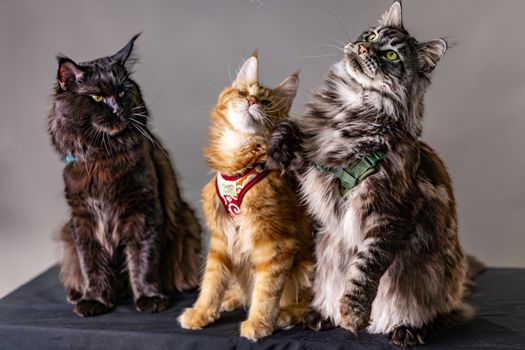
Welcoming a cat into your home means more than just providing food, water, and shelter. Cats are curious, agile, and territorial creatures with unique needs and preferences. Creating cat-friendly spaces throughout your home not only enriches your pet’s life but also can reduce unwanted behaviors and improve their overall well-being. Whether you live in a spacious house or a compact apartment, there are numerous ways to craft a stimulating, safe, and harmonious environment tailored to your feline friend. In this article, we’ll explore the essentials of designing cat-friendly spaces, creative ideas to maximize your home’s potential, and practical tips grounded in feline behavior science.
The Importance of Cat-Friendly Spaces for Feline Well-Being
Cats in the wild have complex territories filled with opportunities for exploration, hunting, climbing, and hiding. Domestic cats retain these instincts, and a lack of environmental enrichment can lead to stress, obesity, and behavioral issues such as scratching furniture or inappropriate elimination. According to a 2022 study published in the Journal of Feline Medicine and Surgery, cats living in enriched environments display 40% fewer stress-related behaviors than those in unstimulating homes.
Providing cat-friendly spaces is not just about comfort—it’s a crucial component of preventative health care. The American Association of Feline Practitioners (AAFP) recommends that every cat have access to multiple resources, including vertical territory, safe hiding spots, scratching posts, and interactive play zones. These elements appeal to a cat’s natural instincts and support both their physical and mental health.
.png)
Maximizing Vertical Space: Climbing, Perching, and Observation
Unlike many other pets, cats are vertical animals. They love to climb, perch, and observe their surroundings from above. Giving your cat access to vertical space can dramatically increase their usable territory, especially in smaller homes.
Cat trees, wall-mounted shelves, and window perches are some of the most effective ways to add vertical elements. For instance, a study from Ohio State University found that cats with access to elevated perches displayed 50% more positive social interactions with both humans and other pets. Window perches, in particular, offer endless entertainment as cats watch birds, squirrels, and the outside world.
When selecting or constructing vertical spaces, prioritize stability and safety. Ensure that shelves can support your cat’s weight (typically 10-15 lbs for the average adult cat) and that climbing structures are securely anchored. Consider integrating ramps for senior cats or those with mobility challenges.
Creating Engaging Hideaways and Safe Retreats
Every cat needs a place to retreat when feeling stressed, frightened, or simply in need of quiet time. Hideaways can be as simple as a cardboard box tucked beneath a bed or as elaborate as a custom-built cat condo. The key is providing spaces that are easily accessible, cozy, and private.
Recent surveys indicate that 70% of cat owners notice their cats seek out enclosed spaces during loud events, such as thunderstorms or parties. Hideaways reduce anxiety and help cats feel secure. Materials like fleece, faux fur, or soft cotton are ideal for lining these spaces, giving your cat a sense of safety and comfort.
Try offering a variety of hideouts at different heights and locations—some in quiet corners and others in social areas. Rotating these options can keep your cat’s environment fresh and engaging.
Designing Cat-Safe Zones: Minimizing Hazards at Home
Safety is a top priority when creating cat-friendly spaces. Everyday household items can pose risks, from toxic plants to loose electrical cords. According to the ASPCA, over 10,000 cases of feline poisoning are reported annually due to ingestion of common houseplants and chemicals.
Some simple strategies to safeguard your home include:
- Removing or securing plants known to be toxic to cats, such as lilies, poinsettias, and philodendrons. - Keeping cleaning supplies and medications locked away. - Using cord organizers or protective covers to prevent chewing. - Installing window screens to prevent accidental falls. - Checking for small objects that could be swallowed or cause choking.Below is a comparison table of common household items and their safety for cats:
| Item | Cat-Safe? | Notes |
|---|---|---|
| Spider Plant | Yes | Non-toxic, but may cause mild stomach upset if eaten |
| Lilies | No | Highly toxic, can cause kidney failure |
| Electric Cords | No | Risk of electrocution if chewed |
| Cardboard Boxes | Yes | Safe and enjoyable for play/hiding |
| Essential Oils (diffusers) | No | Many are toxic, especially tea tree and eucalyptus |
By proactively identifying and managing hazards, you can ensure that your cat’s environment is not only fun but also safe.
Interactive Play and Enrichment Zones
Physical and mental stimulation are vital for a cat’s happiness. Enrichment zones can be created with toys, puzzle feeders, tunnels, and interactive play areas. The American Veterinary Medical Association (AVMA) notes that only 35% of cat owners regularly engage their felines in daily play, despite recommendations for at least two 10-15 minute sessions per day.
Toys that mimic prey—like wand teasers, feather toys, and motorized mice—help satisfy your cat’s hunting instincts and provide much-needed exercise. Puzzle feeders and treat-dispensing balls can make mealtime more interesting and slow down eating for overweight cats. Rotating toys every few days keeps your cat engaged and prevents boredom.
For multi-cat households, provide enough toys and play areas to minimize competition and potential conflict. Enrichment zones should be spaced throughout the home to encourage exploration and spontaneous activity.
Integrating Cat Spaces with Human Living Areas
A cat-friendly home doesn’t have to mean sacrificing your own comfort or style. Modern cat furniture comes in a variety of designs, from minimalist wall shelves to stylish scratching posts that double as side tables. Integrating your cat’s spaces with your living areas encourages social bonding and reduces the likelihood of cats isolating themselves or developing separation anxiety.
Tips for seamless integration include:
- Placing cat perches near windows with a view, allowing both you and your cat to enjoy the scenery. - Choosing scratching posts that complement your decor, such as those with wooden accents or neutral fabrics. - Incorporating cat beds or mats on furniture you already use, like the edge of the sofa or a dedicated chair. - Using multi-purpose furniture, such as coffee tables with built-in hideaways or bookshelves with cat nooks.When your cat’s spaces blend naturally with the rest of your home, both you and your feline companion benefit from a harmonious environment.
Final Thoughts on Creating Cat-Friendly Spaces
Designing a home that meets your cat’s physical, emotional, and behavioral needs is an investment in their long-term health and happiness. By maximizing vertical and horizontal territory, offering safe retreats, ensuring a hazard-free environment, and providing ample enrichment, you can transform any space into a feline paradise. Remember that every cat is unique—observe their preferences, rotate options, and adjust your home as needed. A thoughtful, cat-friendly environment not only minimizes stress and destructive behaviors but also enhances the bond between you and your pet.