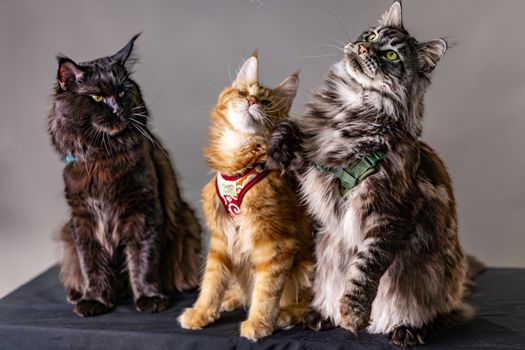
Cats as Emotional Support Animals: The Potential Benefits
For centuries, cats have shared their lives with humans, offering companionship, comfort, and a soothing presence. In recent years, their role has expanded beyond that of a household pet to include emotional support animal (ESA) status. As mental health awareness grows, the benefits of cats as emotional support animals have come into sharper focus. But what exactly makes cats so effective in this role, and how do they compare to other common ESAs? This article delves into the science, real-world evidence, and unique qualities that make cats powerful allies in emotional wellbeing.
Understanding Emotional Support Animals and Their Role
Emotional support animals (ESAs) are not the same as service animals. While service animals, such as guide dogs, receive specialized training to perform specific tasks, ESAs provide comfort simply through their presence. According to the Anxiety and Depression Association of America (ADAA), ESAs can help alleviate symptoms of mental health conditions like anxiety, depression, and PTSD. In the United States, it is estimated that over 200,000 pets have been registered as emotional support animals, and cats account for nearly 30% of these registrations.
The legal status of ESAs varies by country and even by region within countries. In the U.S., for example, the Fair Housing Act offers some protections for people with ESAs, allowing them to live with their animals in housing that might otherwise prohibit pets. However, travel and public access laws are more restrictive for ESAs than for trained service animals.
.png)
Unique Qualities That Make Cats Excellent Emotional Support Animals
What sets cats apart as emotional support animals? Here are several key qualities:
1. $1 Unlike some animals, cats do not require frequent walks or extensive training. Their independent nature makes them ideal for people with limited mobility or energy. 2. $1 According to a 2019 study published in the journal Behavioral Processes, the act of petting a cat can significantly reduce cortisol, the stress hormone, in humans. 3. $1 Cats can be affectionate and responsive to their owner’s mood, but they also respect boundaries. This balance is particularly helpful for people who may experience social overwhelm. 4. $1 The sound of a cat’s purr has been associated with lower blood pressure and feelings of tranquility. Research from the University of Sussex suggests that the frequency of a cat’s purr (between 25 and 150 Hz) can promote healing and relaxation in humans. 5. $1 Cats are often more adaptable to apartment living and smaller spaces than larger animals, making them accessible to a wider range of people.The Psychological Benefits of Having a Cat as an ESA
Numerous studies and anecdotal reports highlight the psychological benefits of cats as emotional support animals. Here are some of the most compelling:
- $1 A 2022 survey by the Human Animal Bond Research Institute found that 74% of pet owners reported improvements in their mental health due to their relationship with their animal. Cats, in particular, provide companionship that can counteract feelings of isolation, especially for people living alone. - $1 Simply watching a cat play or sleep can have a calming effect. A study from Washington State University observed that spending just 10 minutes interacting with a cat led to significantly lower levels of stress and anxiety. - $1 The act of caring for another living being—feeding, grooming, and playing—can foster a sense of purpose and accomplishment. Cat owners are often found to have lower rates of depression compared to non-pet owners, according to a 2020 meta-analysis in BMC Psychiatry. - $1 Cats thrive on routine, and their need for regular feeding and attention can help their owners establish structured daily habits, which are beneficial for individuals coping with depression or anxiety.Cats vs. Dogs: A Comparative Look at Emotional Support Animals
While dogs are the most common ESAs, cats have unique advantages. Here’s a side-by-side comparison:
| Feature | Cats | Dogs |
|---|---|---|
| Maintenance | Low (litter box, independent) | Moderate to High (walks, training) |
| Space Requirements | Small (adapt well to apartments) | Larger (ideal for houses with yards) |
| Travel Friendliness | Moderate (can be anxious, but portable) | Varies (some breeds travel well) |
| Affection Style | Subtle, responsive to moods | Overt, often seeks attention |
| Allergy Concerns | Higher for some people (dander) | Varies by breed |
| Legal Access (U.S.) | Fair Housing Act, limited public access | Fair Housing Act, limited public access |
This table shows that while both cats and dogs can be beneficial as ESAs, cats may be a better fit for people seeking a low-maintenance companion, for those living in apartments, or for individuals who prefer a more subtle form of affection.
Real-Life Stories: How Cats Transform Lives as ESAs
The impact of cats as emotional support animals isn’t just theoretical. Real-life examples abound:
- $1 Sarah, a college student with generalized anxiety disorder, found that her ESA cat, Luna, provided grounding during panic attacks. Luna would curl up beside her, purring softly, which helped Sarah focus on something tangible and calming. - $1 John, a senior living alone after the loss of his spouse, credits his cat, Oliver, with helping him reengage with daily life. Feeding and caring for Oliver gave John purpose and reduced his feelings of grief and loneliness. - $1 Emily, who struggles with social anxiety, found that having her cat, Willow, at home made her feel less isolated and more confident in managing her symptoms. The routine of caring for Willow also improved her overall daily structure.These stories reflect a broader trend: the profound and varied ways cats can support their owners’ mental health.
How to Qualify Your Cat as an Emotional Support Animal
The process of designating a cat as an emotional support animal is relatively straightforward, especially in countries like the United States. Here’s how it works:
1. $1 To qualify for an ESA, you typically need a letter from a licensed therapist, psychologist, or psychiatrist, stating that your cat is part of your treatment for a diagnosed mental health condition. 2. $1 The letter should be on the provider’s letterhead, include their license information, and clearly state how the animal alleviates symptoms. 3. $1 Under the Fair Housing Act, landlords must make reasonable accommodations for ESAs, even in no-pets housing. However, ESAs do not have the same access rights as service animals in public spaces or on airlines (as of 2021, most U.S. airlines no longer accept ESAs in the cabin). 4. $1 Unlike service animals, ESAs do not require specialized training, but your cat should be well-behaved and not pose a threat or nuisance to others.Data from the National Service Animal Registry shows that ESA registrations have doubled in the past five years, reflecting growing recognition of their value.
Potential Challenges and Considerations with Cats as ESAs
While cats can be wonderful emotional support animals, there are some factors to consider:
- $1 According to the Asthma and Allergy Foundation of America, about 10% of the U.S. population is allergic to cats. This can complicate living arrangements, especially with roommates or family members. - $1 Most airlines and public places no longer recognize ESAs, so traveling with a cat ESA may require additional planning and costs. - $1 While most cats are low-maintenance, some may exhibit behavioral problems like scratching furniture or inappropriate urination, especially if stressed. - $1 The rights of ESAs can vary widely by region and are subject to change, so it’s essential to stay informed about current laws.Despite these challenges, with proper preparation and understanding, many people find cats to be invaluable companions for emotional support.
Why Cats Are Gaining Recognition as Emotional Support Animals
The growing popularity of cats as emotional support animals is driven by both practical and emotional factors. Cats’ ability to offer comfort, companionship, and a sense of purpose—without demanding constant attention—makes them an excellent fit for many people. With nearly 58 million pet cats in the United States alone (according to the American Veterinary Medical Association), their potential to improve mental health is vast and largely untapped.
As research continues to uncover the benefits of human-animal bonds, the case for cats as ESAs grows stronger. For those seeking emotional support, especially in urban or apartment settings, cats may offer the perfect blend of affection, independence, and healing.