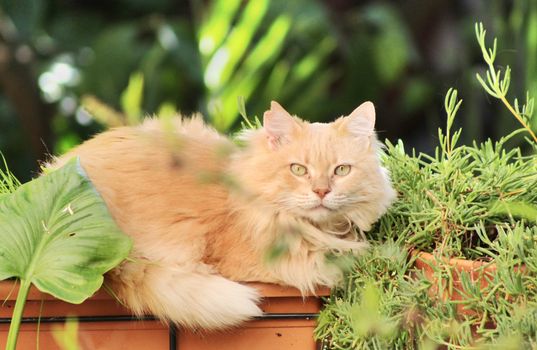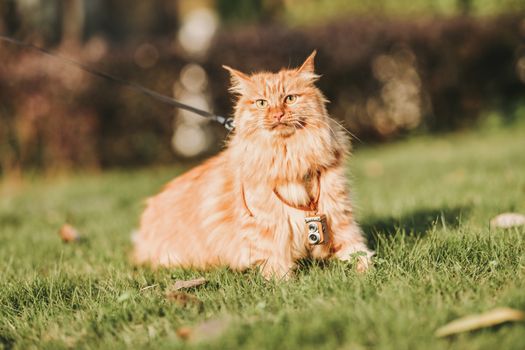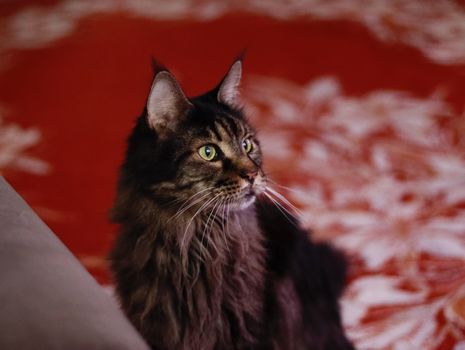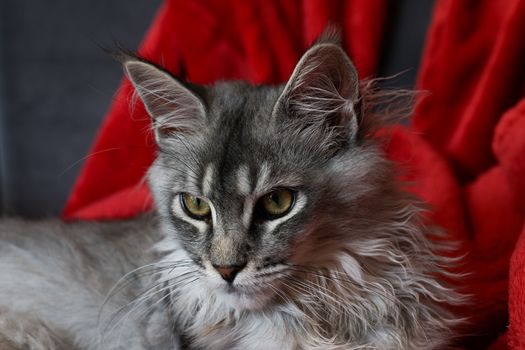
Cats have slinked through the shadows of human history for millennia, their enigmatic eyes and graceful movements inspiring both awe and superstition. Across continents and centuries, cats have been woven into the fabric of myth, legend, and folklore—often cast as supernatural beings, guardians, or omens. But why have these mysterious felines so captivated our collective imagination? Exploring the myths and legends surrounding cats reveals not only the stories themselves but also the deeper human fascination with these remarkable creatures.
The Divine and the Damned: Cats in Ancient Civilizations
Few animals have held such contradictory roles in myth as cats. In some cultures, they are revered as divine; in others, feared as harbingers of doom. Ancient Egypt stands as the most celebrated example of feline veneration. The goddess Bastet, depicted as a lioness or a woman with a cat’s head, symbolized protection, fertility, and motherhood. By 1000 BCE, cats were considered sacred animals in Egypt—so much so that harming a cat, even by accident, was punishable by death.
Cats’ roles as protectors extended beyond the divine. Archaeologists have found thousands of cat mummies in Egyptian tombs, often buried alongside their owners to serve them in the afterlife. The Romans adopted some of these beliefs, associating cats with the goddess Diana, protector of the home and family.
.png)
In stark contrast, cats in Medieval Europe were often linked to darkness and witchcraft. By the 13th century, the Catholic Church had begun to associate black cats in particular with the devil. This shift had dire consequences: during the Middle Ages, thousands of cats were killed in Europe, especially during the Black Death pandemic, under the false belief that cats spread the plague, when in fact their absence allowed the true culprits—rat-borne fleas—to thrive.
Cats as Symbols of Luck and Fortune
Despite the negative associations in some eras, cats have also been seen as powerful symbols of luck and prosperity. In Japan, the iconic Maneki-neko, or “beckoning cat,” is a common talisman believed to bring good fortune to its owner. This cat, often seen with one paw raised, first appeared in Japanese folklore in the 17th century and is still widely displayed in shops, restaurants, and homes across Asia.
In Russian folklore, the “Bayun Cat” is a magical talking feline whose voice can heal the sick or, if angered, lull listeners into an eternal sleep. In Scotland, a spectral black cat known as the “Cat Sìth” is believed to bring either blessings or curses, depending on how it is treated. The dichotomy of fortune and misfortune underscores the ambivalent role cats have played in the human psyche.
Interestingly, a 2017 survey by Statista revealed that 41% of Americans believe a black cat crossing one’s path brings bad luck, while 13% see it as a sign of good luck, illustrating how cultural perceptions continue to vary.
Guardians, Guides, and Familiars: Supernatural Roles of Cats
Cats’ nocturnal habits and otherworldly demeanor have often cast them as intermediaries between the human and supernatural realms. In Norse mythology, the goddess Freyja traveled in a chariot pulled by two giant cats, making felines sacred animals associated with love, fertility, and even weather—farmers would leave out offerings to cats in hopes of a bountiful harvest.
In Slavic tales, the magical “Zmey Gorynych” dragon was sometimes accompanied by a wise, talking cat who served as a guide for heroes seeking their destiny. Meanwhile, in Celtic lore, the Cat Sìth was believed to roam the Scottish Highlands, capable of stealing a dead person’s soul before the gods could claim it. During the festival of Samhain, villagers would leave out saucers of milk to appease the Cat Sìth and secure blessings for the year ahead.
The concept of cats as witches’ familiars took hold during the witch hunts of early modern Europe. Black cats, in particular, were believed to be shape-shifted witches or their supernatural assistants. This connection persists in popular culture today, from Halloween decorations to stories like Edgar Allan Poe’s “The Black Cat.”
Cats in World Folklore: A Comparative Overview
From Asia to Africa, the mythic status of cats is both universal and uniquely local. Here’s a comparative overview of some of the most fascinating feline myths around the world:
| Region | Legend/Myth | Cat's Role | Symbolism |
|---|---|---|---|
| Egypt | Bastet, the cat goddess | Protector, divine being | Fertility, motherhood, protection |
| Japan | Maneki-neko (beckoning cat) | Lucky charm | Good fortune, prosperity |
| Scotland/Ireland | Cat Sìth | Supernatural creature | Soul-stealer, bringer of blessings or curses |
| Norse | Freyja's chariot cats | Sacred animals | Love, fertility, harvest |
| Russia | Bayun Cat | Magical healer/guardian | Healing, wisdom, danger |
| Middle Ages Europe | Witches’ familiars | Evil omens | Witchcraft, bad luck |
This diversity demonstrates how the same animal can occupy vastly different symbolic territory depending on historical context and cultural values.
Modern Echoes: How Cat Myths Shape Today’s Beliefs
The influence of cat myths and legends is far from a thing of the past. Today, the legacy of these stories shapes our everyday interactions with cats—whether we realize it or not. For instance, animal shelters across the United States report lower adoption rates for black cats, partly due to lingering superstitions. According to the ASPCA, black cats are about 30% less likely to be adopted than their lighter-colored peers.
On the flip side, the popularity of the Maneki-neko has soared with globalization. There are now entire shops dedicated to cat-themed lucky charms, and the beckoning cat is a familiar sight far beyond Japan’s borders. The internet, too, has played a role in elevating cats to near-mythic status—just look at the global phenomenon of Grumpy Cat or the viral success of the “Cat Distribution System” meme.
Even in language, the echoes persist. Phrases like “cat’s nine lives” (a myth believed to have originated in ancient Egypt and later popularized in English folklore) or “curiosity killed the cat” reflect our enduring sense of cats as mysterious, resilient, and a little bit magical.
Untangling Fact from Folklore: Why Cats Inspire Myths
What is it about cats that makes them such fertile ground for myth-making? Scientists suggest several reasons:
1. $1: Cats’ ability to see in near-total darkness, their silent movements, and their tendency to roam at night all contribute to their reputation as supernatural beings. 2. $1: The reflective layer behind their eyes (the tapetum lucidum) gives cats an eerie glow in low light, adding to their mystique. 3. $1: Unlike dogs, cats are solitary hunters and less overtly social, which can make them seem aloof or inscrutable—traits that lend themselves to stories of magic and mystery. 4. $1: Cats have proven highly adaptable to urban and rural environments alike, thriving alongside humans without ever being fully domesticated—a perfect metaphor for the liminal space between the wild and the tame.A study published in 2020 in the journal "Anthrozoös" found that 67% of respondents across multiple countries associated cats with supernatural qualities, compared to just 18% for dogs. This enduring link between cats and the otherworldly may explain why their legends remain so deeply rooted in our imaginations.
Final Reflections: The Enduring Magic of Cat Legends
From sacred protectors of the home to cunning tricksters or omens of fate, cats have enchanted, bewildered, and sometimes frightened humans for thousands of years. The myths and legends that swirl around them are more than mere curiosities—they offer a window into our deepest hopes, fears, and beliefs about the unknown.
As our understanding of cats evolves, the stories we tell about them change, too. Yet, whether we view them as divine guardians, mysterious familiars, or simply beloved companions, cats remain one of mythology’s most enduring—and enchanting—symbols.