Caring for an aging cat can be both rewarding and challenging. As cats enter their senior years—typically around age 7 to 10—they begin to show signs of aging and may develop various health issues. Pet owners need to adapt their care to help maintain their cat's health and happiness. This guide covers essential tips and adjustments to care for senior cats properly.
Regular Veterinary Checkups
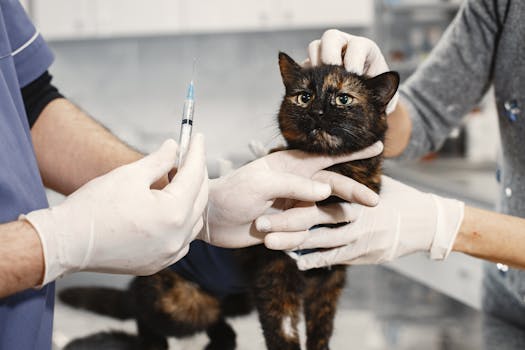
Consistent veterinary care is crucial as cats age. Senior cats should visit the vet at least annually, though bi-annual visits are recommended to better monitor their health. These checkups can detect early signs of common age-related conditions like kidney disease, arthritis, and dental issues. Routine screenings, such as blood tests and urine analysis, are crucial for maintaining senior cat health.
.png)
Nutritional Needs
Aging cats have different dietary requirements. Senior cat foods are generally easier to digest, lower in calories to prevent weight gain, and higher in fiber. Nutritional supplements like glucosamine and chondroitin can support joint health, and omega-3 fatty acids may help maintain skin and coat health and cognitive function.
Weight Management
Maintaining an ideal weight is crucial for senior cats. Obesity can exacerbate health issues such as diabetes and arthritis. Conversely, unexplained weight loss could indicate underlying health problems. Regularly monitoring your cat's weight and adjusting their food intake accordingly is vital.
Home Adjustments
Older cats may struggle with mobility and accessing areas they once frequented with ease. Consider adding step stools or ramps to help your cat reach elevated areas comfortably. Opt for a litter box with lower sides for easy access, and consider a heated bed to provide comfort for achy joints.
Keeping Them Active and Engaged
Physical activity and mental stimulation remain important as your cat ages. Engaging in gentle play can help maintain muscle tone and manage weight. Toys and puzzle feeders that encourage mental activity can help keep your cat's mind sharp, combating the cognitive decline that can occur in senior cats.
Social Interaction and Comfort
Senior cats often appreciate quieter, more comfortable environments. Providing a cozy, warm spot away from busy areas can offer them a sense of security. Despite their need for peace, senior cats still benefit from social interaction, which can prevent loneliness and depression.
Managing Chronic Conditions
Many senior cats develop chronic health issues that require ongoing care. Diseases such as diabetes, chronic kidney disease, and hyperthyroidism can significantly affect a cat's quality of life. Collaborating with your veterinarian to manage these conditions through medications, diet changes, and lifestyle adjustments is critical.
End-of-Life Considerations
Discussing end-of-life care is difficult but necessary. Speak with your veterinarian about palliative care options and the right time to consider euthanasia. The focus should always be on your cat's comfort and dignity during their final days.
Caring for a senior cat means providing extra love, patience, and attentive care. By understanding the unique challenges that come with aging, you can help ensure your cat’s senior years are filled with comfort and joy.