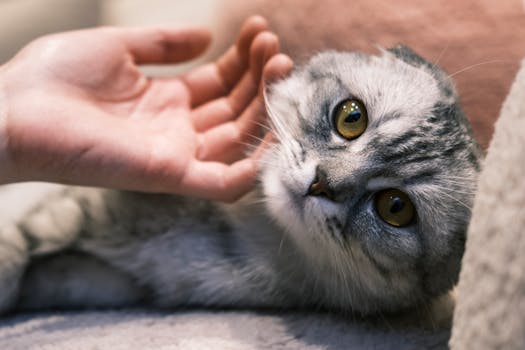
Cats and Sustainability: Environmentally Friendly Cat Care
Cats have long been cherished companions in households around the globe. As awareness of environmental issues grows, many cat owners are now considering how their everyday choices impact the planet. From what we feed our cats to the products we buy and dispose of, every aspect of feline care can leave a carbon pawprint. But with conscious decisions, it is possible to provide excellent care for our furry friends while also protecting the environment. This article explores practical, eco-friendly strategies for cat owners who wish to make their cat care routine more sustainable—without sacrificing health, comfort, or fun.
The Environmental Impact of Conventional Cat Care
Before diving into solutions, it’s important to understand the scale and scope of environmental issues associated with typical cat care. The global pet industry is massive. In 2022, Americans alone spent over $136 billion on their pets, with roughly 45% of households owning cats. This translates to enormous resource consumption and waste generation.
One of the most significant environmental concerns is cat litter. Traditional clay-based litters are sourced by strip mining bentonite clay, a process that damages landscapes, pollutes water, and emits greenhouse gases. According to industry estimates, over 2 million tons of clay litter are discarded annually in the U.S. alone.
.png)
Additionally, the production and disposal of pet food packaging, plastic toys, and accessories contribute to landfill waste and resource depletion. Even food choices matter; the commercial cat food sector is responsible for a significant share of industrial meat production, which is linked to deforestation, water use, and greenhouse gas emissions.
Sustainable Cat Litter Options: Comparing the Alternatives
One of the biggest steps toward sustainable cat care is switching to an eco-friendly litter. Several alternatives have emerged, each with unique benefits and drawbacks. Below is a comparison of popular sustainable cat litters:
| Litter Type | Main Ingredient | Biodegradability | Odor Control | Annual U.S. Waste (Est.) | Notes |
|---|---|---|---|---|---|
| Clay (Bentonite) | Strip-mined clay | No | High | 2 million tons | Non-renewable, landfill-bound |
| Wood/Pine | Recycled sawdust, pine wood | Yes | Moderate-High | Unknown | Sourced from wood waste, compostable |
| Wheat/Corn | Agricultural byproducts | Yes | Moderate | Unknown | Flushable, renewable resource |
| Paper | Recycled paper | Yes | Moderate | Unknown | Good for sensitive cats, compostable |
| Silica Gel | Silicon dioxide crystals | No | High | Unknown | Non-biodegradable, less dusty |
Wood, wheat, or paper-based litters are generally compostable and made from renewable or recycled materials. For example, switching to a pine litter can divert tons of sawdust waste from landfills annually. However, always verify that your composting process is pet-waste safe, and check local regulations; most municipal composting facilities do not accept cat waste due to potential pathogens.
Eco-Friendly Feeding: Sustainable Cat Food Choices
What you feed your cat has a ripple effect on the environment. Conventional cat food is predominantly made from meat, often beef, chicken, or fish, which have a high environmental cost. For instance, producing one kilogram of beef can require up to 15,000 liters of water and emit 27 kg of CO2 equivalent greenhouse gases.
Sustainable cat food brands are emerging to address these issues. Some use protein sources like insect meal, which has a much lower environmental impact. For example, insect-based protein emits up to 96% fewer greenhouse gases and uses 47 times less land per kilogram compared to beef. Other brands focus on using byproducts from the human food industry, reducing waste.
If you’re considering a sustainable switch, look for cat foods that:
- Use responsibly sourced, certified sustainable fish or poultry - Incorporate insect or plant-based proteins (while ensuring nutritional adequacy) - Are packaged in recyclable or compostable materials - Have transparent sourcing and manufacturing practicesAlways consult your veterinarian before making significant dietary changes to ensure your cat’s health and nutritional needs are met.
Reducing Waste: Reusable and Green Cat Products
The average cat owner purchases a variety of products throughout a cat’s lifetime—scratching posts, beds, toys, collars, and more. Many of these are made from plastics or synthetic fibers that don’t break down in landfills.
To reduce your environmental impact, consider:
- Buying products made from natural, recycled, or upcycled materials (e.g., hemp, organic cotton, recycled plastics) - Choosing long-lasting, durable items over disposable ones - Repairing or repurposing old items (for example, turning old t-shirts into cat toys) - Supporting local artisans or small businesses that use sustainable practicesFor toys, opt for those made from natural materials like sisal, wood, or wool. Cardboard is another excellent choice—it’s biodegradable, and many cats adore scratching or hiding in cardboard boxes. When it’s worn out, simply recycle or compost it.
Managing the Outdoor Cat Dilemma Sustainably
Outdoor cats present unique sustainability challenges. They can have a significant impact on local wildlife; in the U.S., domestic cats kill an estimated 2.4 billion birds and 12.3 billion small mammals annually. Free-roaming cats also risk spreading disease and harming native ecosystems.
For sustainability-minded cat owners, the following strategies can help:
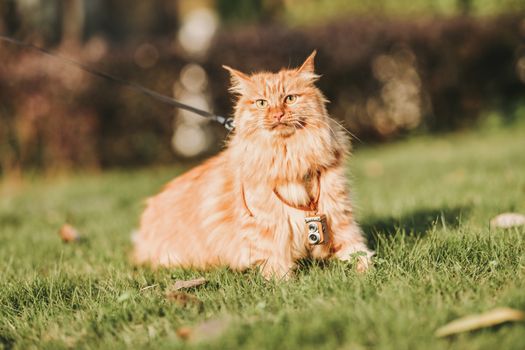
- Keep cats indoors or provide a secure outdoor enclosure (a ‘catio’) to protect both wildlife and your pet - Use breakaway collars with bells to reduce hunting success if your cat goes outside - Spay or neuter your cat to prevent feral populations, which contribute to ecological problems - Support or volunteer with local TNR (Trap-Neuter-Return) programs to manage community cat populationsIf you want your cat to enjoy the outdoors, supervised walks on a harness or building a safe, enclosed patio are effective, environmentally sound alternatives.
Water and Energy Conservation in Cat Care
Caring for cats involves water and energy use—washing bedding, cleaning litter boxes, and even the electricity needed for automatic feeders or water fountains. While these may seem minor, small changes add up over time.
Here are some tips for conserving water and energy in your cat care routine:
- Wash cat bedding in full loads and use cold water when possible - Choose manual litter scoops over electric cleaners - If using a water fountain, pick energy-efficient models and clean with eco-friendly soaps - Place water bowls away from direct sunlight to reduce evaporation and keep water fresh longerA 2020 study by the American Pet Products Association found that if every U.S. cat owner switched to cold water for washing pet bedding, it would save over 4 million kWh of energy annually—enough to power 375 American homes for a year.
Final Thoughts on Achieving Sustainable Cat Care
Sustainability isn’t about perfection—it’s about making better choices where you can. Transitioning to environmentally friendly cat care means evaluating the impact of everything from the litter you scoop to the toys you buy. Small shifts, like choosing compostable litter or buying recycled cat beds, can collectively make a significant difference.
As more companies respond to eco-conscious consumers, the range of sustainable cat care options will continue to grow. By staying informed and making thoughtful choices, cat owners can help ensure that their beloved pets enjoy a healthy life on a healthy planet.