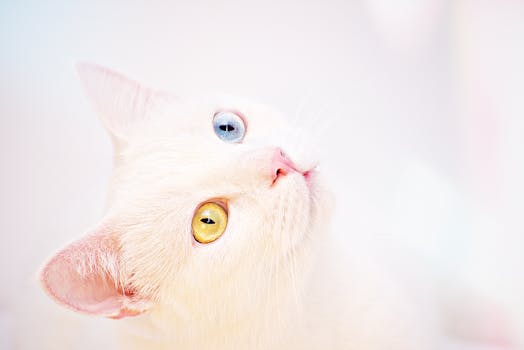
Understanding Feline Genetic Disorders: A Comprehensive Guide
Genetic disorders in cats can significantly impact their health and well-being. These conditions, often inherited, can affect cats of any breed, although some breeds are more predisposed due to specific genetic traits. This guide provides an overview of the causes, symptoms, and treatments of common genetic disorders in cats, aiming to help pet owners better understand and manage these issues.
Causes of Genetic Disorders in Cats
.png)
Genetic disorders in felines are primarily caused by mutations in their DNA. These mutations can be:
- Inherited: Passed down from one or both parent cats.
- De Novo (spontaneous): Occur without being inherited, often during DNA replication.
- Breed-specific: Certain breeds have higher risks due to selective breeding practices which can concentrate deleterious genes.
Common Genetic Disorders in Cats
Some of the most prevalent genetic disorders affecting cats include:
- Polycystic Kidney Disease (PKD): Especially common in Persians and related breeds, this condition is marked by the development of cysts in the kidneys which can lead to renal failure.
- Hypertrophic Cardiomyopathy (HCM): This is a critical heart condition seen in breeds such as Maine Coons and Ragdolls, where the heart muscle abnormally thickens.
- Progressive Retinal Atrophy (PRA): This disorder leads to the degeneration of the retina, causing progressive vision loss and potentially blindness, affecting breeds like Abyssinians.
- Spinal Muscular Atrophy (SMA): Affecting Maine Coons, this condition involves the degeneration of motor neurons in the spinal cord, causing muscle wasting and mobility issues.
Symptoms of Genetic Disorders in Cats
The manifestation of symptoms depends on the specific genetic disorder, but common signs include:
- Chronic gastrointestinal issues such as vomiting or diarrhea.
- Unexplained weight fluctuations.
- Behavioral changes, including increased lethargy or aggression.
- Respiratory difficulties or abnormal heart rhythms.
- Visual impairment or changes in eye appearance.
- Physical coordination challenges or muscle atrophy.
Recognizing these symptoms early can greatly enhance the effectiveness of management strategies.
Diagnosing Genetic Disorders
Diagnosis of genetic disorders in cats typically involves:
- Physical Examinations: Assessing physical health and looking for abnormalities.
- Genetic Testing: Identifying specific mutations responsible for a disorder.
- Imaging: Using X-rays, ultrasounds, or other imaging techniques to view internal abnormalities.
These tools help veterinarians provide a precise diagnosis, vital for effective treatment and management.
Treatments for Genetic Disorders in Cats
Treatment strategies vary but may include:
- Medications: To manage symptoms or slow the progression of diseases like HCM.
- Dietary Adjustments: Tailored nutrition supports overall health and specific organ function.
- Supportive Care: Especially for irreversible conditions like PRA, where adapting the living environment can improve life quality.
Managing a Cat with a Genetic Disorder
Ongoing management of a cat with a genetic disorder includes:
- Regular vet visits for monitoring.
- Special diets and environmental adaptations.
- Emotional and physical support to ensure a good quality of life.
Genetic Considerations in Breeding
Responsible breeding practices are vital in minimizing the prevalence of genetic disorders. This includes:
- Genetic screening before breeding.
- Avoiding the breeding of carriers for harmful conditions.
- Educating potential owners about breed-specific genetic risks.
Conclusion
While feline genetic disorders present significant challenges, understanding these conditions can help cat owners and breeders make informed decisions about care, management, and breeding. Advances in veterinary health and genetics continue to improve the outlook for affected cats, enabling them to enjoy healthier, fuller lives.