Understanding the Unique Physiology of Cats
Cats are not just adorable and mysterious; they are also physiologically distinct from many other domestic animals. This guide delves into the unique aspects of feline physiology, shedding light on how these characteristics influence their behavior and needs, thus helping pet owners provide the best care for their furry companions.
Unique Physiological Traits of Cats
.png)
Cats are natural predators, and their bodies are finely tuned to support this role. From their sensory capabilities to their digestive systems, each aspect of their physiology has evolved to enhance their proficiency in hunting and survival.
Sensory Capabilities
Cats are equipped with exceptional sensory organs that bolster their hunting prowess:
- Vision: Cats have a superior ability to see in low light, thanks to their large eyes and the high number of rods in their retinas that capture light. Their eyes are also able to reflect light back through the retina, a feature that improves their night vision significantly.
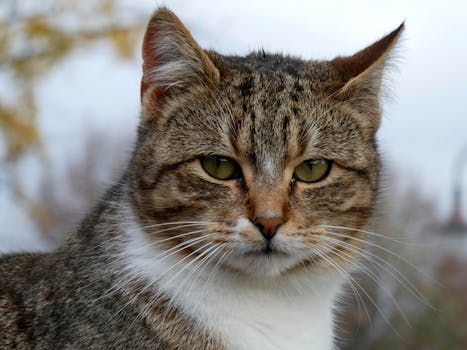
- Hearing: Their hearing is sharp enough to detect a wide range of frequencies, enabling them to hear the high-pitched sounds of small mammals and birds. This acute sense is crucial for hunting in the wild.
- Smell: A cat's sense of smell is also highly developed, aiding them in detecting the presence of prey or the scent markings left by other cats.
Musculoskeletal System
Cats have several adaptations that contribute to their agility:
- Flexible Spine: A cat’s spine is more flexible than that of many other animals, allowing for unmatched agility and the ability to twist their bodies during a fall to land on their feet.
- No Collarbone: The absence of a rigid collarbone allows them to squeeze through tight spaces and change direction swiftly during a chase.
Digestive System
As obligate carnivores, cats have unique dietary needs:
- Protein-focused Metabolism: Their metabolism is geared towards breaking down animal proteins and fats. The cat’s digestive system is shorter and more acidic, which is ideal for processing meat but not equipped for digesting large amounts of carbohydrates.
- Essential Nutrients: Cats require certain amino acids and vitamins that are found only in animal products. Taurine, for example, is a crucial amino acid that cats cannot synthesize on their own.
Practical Implications of Cat Physiology
Understanding these physiological traits can help cat owners make better choices about their pets' care:
- Diet: Providing a high-protein diet that meets all their nutritional requirements is crucial. Many commercial cat foods are formulated to address these specific needs.
- Environment: Reducing loud noises and creating a calm atmosphere can help mitigate the stress caused by their sensitive hearing.
- Health Care: Regular veterinary checkups can help prevent injuries that result from their active lifestyles and ensure that any signs of joint issues or other health problems are addressed promptly.
Conclusion
The unique physiological makeup of cats demands a specific approach to their care. By aligning our pet care practices with the natural attributes of cats, we can ensure a healthier and happier life for these fascinating creatures. Whether it’s through tailored nutrition, understanding their sensory needs, or supporting their physical health, being knowledgeable about what makes cats unique helps us to be better pet owners.