Title: Demystifying the Feline Mind: Insights into What Your Cat Really Thinks
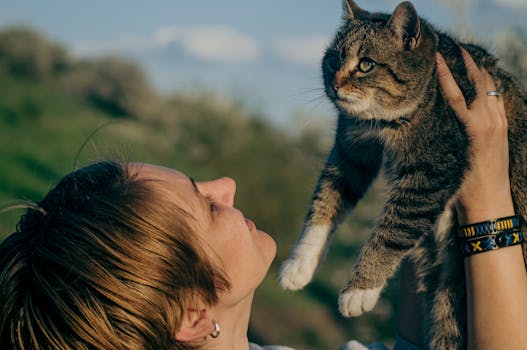
Cats, with their enigmatic presence, have always captivated the curiosity of their owners. Often perceived as mysterious and aloof, understanding what goes on in the mind of a cat can significantly deepen the bond between pet and owner, enhancing their overall well-being.
The Social Fabric of a Cat's Life
.png)
Contrary to popular belief, cats do not inherently shy away from social interactions; rather, their social behaviors are influenced by instinctual and environmental factors. They possess the ability to form emotional connections and engage in complex thought processes, although these might manifest differently compared to humans.
Territorial Instincts
At the heart of many feline behaviors is their strong sense of territory. Cats view their environment as a hierarchy of safe zones. When a cat marks objects or people with pheromones from its face, it is not just marking territory but also creating an environment of familiarity and security. This territorial behavior is key to understanding many aspects of their conduct.
Communication Nuances
Cats communicate primarily through body language and a variety of vocalizations. A cat's tail, for instance, can convey a wide range of emotions—from a high, confident tail indicating happiness, to a tucked tail signaling fear. Vocal sounds, such as purring, can denote contentment but might also express pain, showcasing the complex nature of feline communication.
Emotional Spectrum
Cats experience a broad spectrum of emotions such as joy, anger, and affection. They often express their feelings towards their owners and fellow pets through subtle cues. Affection might be shown through following you around, sitting close to you, or presenting you with gifts like toys or caught prey.
The Role of Play
Play is crucial in a cat's life, fulfilling both physical and psychological needs. It sharpens their hunting skills, maintains physical health, and provides essential mental stimulation. Toys that mimic prey movements can particularly stimulate a cat's hunting instinct, making play an engaging and enriching activity.
Nutritional Impact on Mental Health
As obligate carnivores, cats require a diet predominantly based on meat. Proper nutrition plays a pivotal role in their mood and energy levels. Nutritional deficiencies, particularly in essential amino acids, can lead to behavioral changes and aggression, highlighting the importance of a balanced diet.
Consideration for Age and Health
Like humans, older cats can experience cognitive decline, manifesting as confusion or disorientation. Regular veterinary visits are crucial to monitor and address any health issues that could affect your cat's mental and physical state.
Conclusion
While cats may often seem inscrutable, ongoing advancements in animal behavior and neuroscience are gradually peeling back the layers of mystery surrounding these fascinating creatures. By understanding and respecting their needs for territory, privacy, and engagement, owners can foster a nurturing and mutually rewarding relationship with their cats. Each cat is unique, and getting to know your pet’s individual preferences is the key to unlocking the secrets of their mind.
By tuning into these aspects of cat behavior and psychology, cat owners can better cater to their furry friend's needs and enjoy a more harmonious coexistence.