The Maneki-neko, or Lucky Cat, is not just a charming figurine; it is a deep-rooted symbol of luck and prosperity across various cultures. Originating in Japan during the Edo period, this iconic cat with its beckoning paw has transcended its traditional boundaries to become a global emblem of good fortune and commercial success.
Origins and Historical Background
The origins of the Maneki-neko are shrouded in folklore, with several legends attempting to explain its inception. One of the most popular stories revolves around a destitute temple in Tokyo. According to the tale, the temple's fortunes were dramatically reversed thanks to a cat that lured a wealthy lord inside with its beckoning paw. Grateful for the shelter provided during a storm and interpreting the cat's gesture as a sign of good luck, the lord became a benefactor of the temple, which soon prospered. This story underlines the Maneki-neko's symbolic association with wealth and success.
.png)
Variations of the Maneki-neko
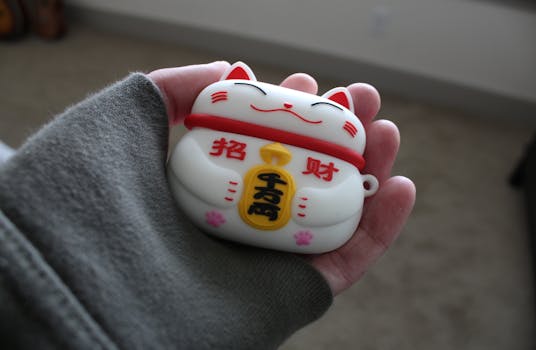
The Maneki-neko is available in a spectrum of colors and styles, each carrying specific connotations:
- White: Symbolizes happiness and purity.
- Black: Believed to ward off evil spirits.
- Gold: Associated with wealth and prosperity.
- Red: Aims to protect from illness.
- Green: Often seen as a bringer of academic success.
Furthermore, the gesture of the raised paw also holds significance. Traditionally, a cat with its left paw raised is thought to attract customers, making it a common sight in business establishments. Conversely, a cat with its right paw raised is believed to attract money and good luck, making it a popular choice for homes.
Cultural Significance and Usage
In its native Japan, the Maneki-neko is a staple in both commercial and private settings, believed to bring about favorable outcomes. It is commonly placed near entryways or cash registers in businesses to welcome prosperity and success. The figurine is also a cultural icon in celebrations and religious practices, reflecting its integration into various aspects of daily life.
Internationally, the Maneki-neko has been embraced as a symbol of Japanese culture, often used in Asian-themed décor or as a business mascot, particularly in establishments related to Japanese cuisine. Its adoption across different cultures underscores its universal appeal as a bearer of good fortune.
Practical Examples
The use of Maneki-neko in business is widespread. For instance, Japanese restaurants outside of Japan frequently feature these cats prominently to attract diners and to signal an authentic cultural experience. Moreover, the Maneki-neko has become a sought-after souvenir for visitors to Japan, who are drawn to its promise of luck and prosperity.
Conclusion and Final Thoughts
The enduring popularity of the Maneki-neko highlights its significance as more than just a simple figurine. It is a cultural icon that embodies the values of luck, prosperity, and protection. Whether displayed in a home, a temple, or a business, the Lucky Cat continues to be a beloved symbol in Japan and around the world. For those interested in Japanese culture or in enhancing their own fortunes, embracing the Maneki-neko might indeed be a fortuitous decision.