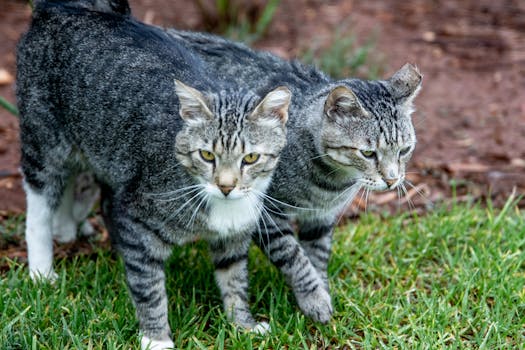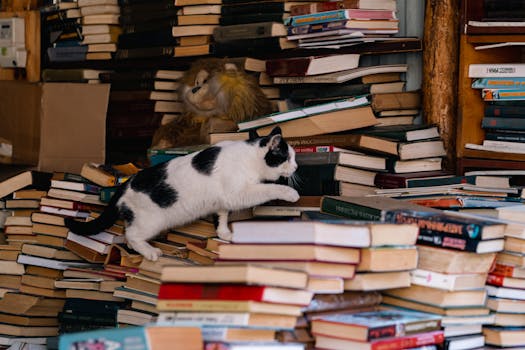
Cats have long fascinated humanity with their enigmatic charm and striking independence, making them a prevalent subject in literature and popular culture. This article delves into the multifaceted roles cats have played in storytelling and media, examining their symbolic meanings and the broader impact they have on cultural narratives.
Cats as Symbolic Figures in Literature
Cats possess an air of mystery and have often been associated with supernatural elements in literary works. In ancient Egypt, they were revered as protectors and symbols of good luck, frequently appearing alongside deities in art and literature. This portrayal has evolved but remained consistent in various forms throughout the centuries.
.png)
A notable example is in Edgar Allan Poe's "The Black Cat," where the cat acts as a manifestation of the protagonist's guilt and mental unraveling. The dual nature of cats, capable of both affection and aloofness, makes them perfect literary symbols, embodying the contradictions within human nature itself.
Cats in Modern Popular Culture
In the realm of modern media, cats have become central figures, from cartoons and films to viral internet phenomena. Garfield, the lasagna-loving feline, epitomizes the lazy, hedonistic lifestyle embraced by contemporary culture, humorously commenting on human weaknesses. On the digital front, Grumpy Cat became a cultural icon, embodying widespread societal cynicism and amusement in meme form.
Comparative Advantages and Disadvantages
The depiction of cats in cultural narratives offers several benefits. They provide a mirror to human emotions and characteristics, enhancing the relatability and depth of stories. Their mysterious qualities can inject intrigue and complexity into plots. However, there are downsides to these portrayals. The stereotype of the 'mystical or evil cat' can reinforce negative views about cats, potentially affecting how they are perceived and treated in reality.
Practical Examples
Cats not only entertain but also inspire real-world actions and attitudes toward animal welfare. For instance, Disney's "The Aristocats" and the documentary "Kedi" — which explores the lives of Istanbul’s street cats — highlight the importance of compassion towards animals. Such portrayals have spurred positive movements for animal rights and have raised awareness about the needs and welfare of cats.
Conclusion
Cats undeniably play a significant role in both literary and popular culture, serving as both symbols and beloved protagonists. Their representations can influence societal views and behaviors toward these complex creatures. As we engage with these portrayals, it is important to consider how they reflect and impact our attitudes toward the real cats in our communities. By supporting initiatives that promote animal welfare and enjoying the rich tapestry of cat-related media, we can appreciate and honor the profound impact cats have on our cultural landscape.