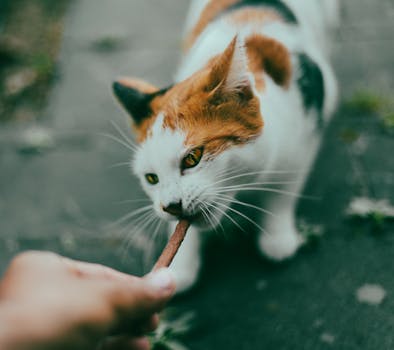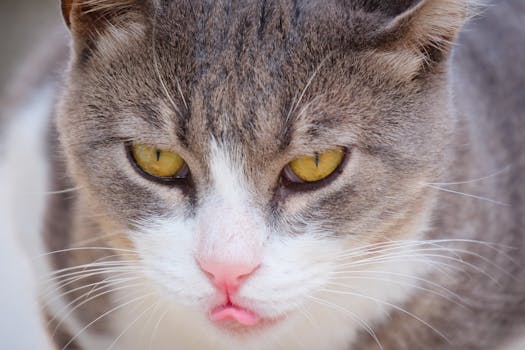
Ensuring proper hydration is essential for a cat's overall health, yet many cat owners struggle to determine if their feline friends are consuming enough water. This concern is warranted, given that cats naturally have a low thirst drive. Here, we explore the critical role of water in a cat's body, how much they really need, and practical ways to encourage more frequent drinking.
The Role of Water in Feline Health
Water is vital for many physiological processes in cats including digestion, regulating body temperature, and flushing out toxins. Despite their evolutionary origins in desert climates, which might suggest a lesser need for water, domestic cats still require adequate hydration to prevent health issues such as kidney stones and urinary tract infections.
.png)
How Much Water Does Your Cat Need?
The amount of water a cat requires can vary widely depending on factors like age, activity level, diet, and even weather conditions. A general guideline is that cats need between 3.5 to 4.5 ounces of water per 5 pounds of body weight each day. For example, a cat weighing 10 pounds should drink approximately 7 to 9 ounces of water daily.
Diet and Hydration
The type of food a cat consumes plays a crucial role in their total water intake. Dry cat food, which typically contains only about 10% water, will necessitate a higher intake of drinking water. In contrast, wet cat food consists of up to 80% water, significantly contributing to a cat's hydration needs. However, regardless of diet, fresh drinking water should always be accessible.
Identifying and Preventing Dehydration
Dehydration in cats can often go unnoticed until it becomes severe. Symptoms to watch for include lethargy, dry gums, and decreased skin elasticity. Regularly checking for these signs can help catch dehydration early. A simple test is the 'skin tent test,' where you gently pull up on the skin near the shoulder blades and watch how quickly it returns to place; slower retraction indicates dehydration.
Encouraging Water Intake
Increasing a cat's water consumption can be challenging but manageable with the right strategies:
- Freshness and Cleanliness: Always provide fresh, clean water. Changing the water daily and regularly washing the bowl can make the water more appealing.
- Multiple Water Sources: Place several water bowls around the house to give your cat more opportunities to drink. Different settings may encourage more frequent sips.
- Water Fountains: Many cats are enticed by moving water. Investing in a cat water fountain may stimulate their interest due to the motion and sound.
- Enhancing Water: For cats particularly stubborn about drinking, consider flavoring the water with a bit of broth from tuna or chicken. This can make the water more enticing.
- Adding Water to Food: Mixing a little water into dry food or opting for wet food can help increase fluid intake.
Regular Veterinary Care
Regular check-ups with your veterinarian are vital. They can offer personalized advice and help monitor your cat's hydration levels, adjusting recommendations as needed based on health changes or lifestyle.
In summary, while cats may not always show a keen interest in drinking water, it remains a fundamental part of their dietary needs. Understanding how much water your cat needs, recognizing signs of dehydration, and using creative methods to encourage drinking are all key to keeping your cat healthy and hydrated. Always consult with a veterinarian if you have concerns about your cat's health or hydration levels.