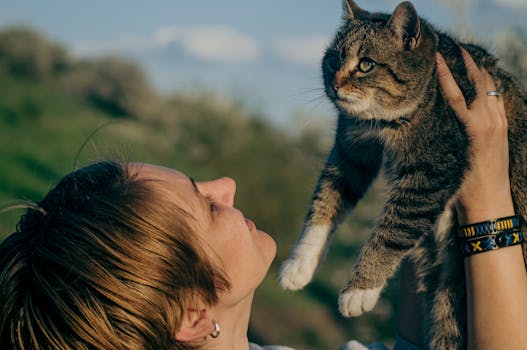
Cats are one of the most beloved pets worldwide, cherished not only for their playful antics but also for their soothing purrs. However, the reasons behind why cats purr, and the meanings of these sounds, remain somewhat mysterious. In this blog post, we'll explore the fascinating mechanics behind a cat's purr and uncover the potential reasons and benefits of this distinctive feline behavior.
How Do Cats Purr?
The mechanism behind a cat's purr starts in the brain. A repetitive neural oscillator sends signals to the laryngeal (throat) muscles, causing them to twitch at a rate of 25 to 150 vibrations per second (Hz). This twitching affects the vocal cords. As the cat breathes, air passes over the vibrating muscles, resulting in the characteristic purring sound.
.png)
Why Do Cats Purr?
Purring is often associated with positive scenarios, suggesting a cat's contentment, yet cats also purr in less joyful situations, such as during childbirth or even when in pain. This complexity indicates that purring serves several purposes:
- Self-Healing
Research indicates that the frequencies produced by purring can promote healing and pain relief. The vibrations are within a range that can improve bone density and aid in healing across various species, including humans. This might explain why cats purr in times of distress or injury—it could be a self-soothing mechanism that stimulates healing.
- Communication
From an early age, kittens purr to signal their well-being to their mothers and to strengthen their bond. In adult cats, purring can be a way to communicate their needs or desires to their human companions, such as signaling hunger or the desire for affection.
Benefits and Drawbacks of Purring
Understanding the nuances of why cats purr can be beneficial for cat owners:
Benefits:
- Healing Properties: The therapeutic vibrations of purring can aid in healing and pain relief not only for cats but also potentially for humans.
- Soothing Effects: Being around a purring cat can help reduce human stress and anxiety levels.
Drawbacks:
- Misinterpretation: Since cats also purr when in pain, owners might misinterpret the purr as a sign of happiness, potentially overlooking signs of distress or illness.
Practical Insights
Consider the case of a cat named Luna, who began purring excessively after injuring her leg. Her owner initially thought Luna was merely seeking affection but soon realized something was wrong when her purring became continuous and was accompanied by a limp. This prompted a timely veterinary visit, highlighting the importance of context in interpreting a cat's purring.
Conclusion
Cats' purring is a multi-dimensional behavior with a variety of implications, ranging from self-healing to communication. While it is often a sign of contentment, it can also be an indication of pain, underscoring the importance for cat owners to discern the context of their cat's purring. By understanding and responding appropriately to the nuances of purring, cat owners can foster a stronger, healthier relationship with their feline friends. Whether you're a new cat owner or have years of experience, paying attention to when and why your cat purrs can lead to a more fulfilling companionship.