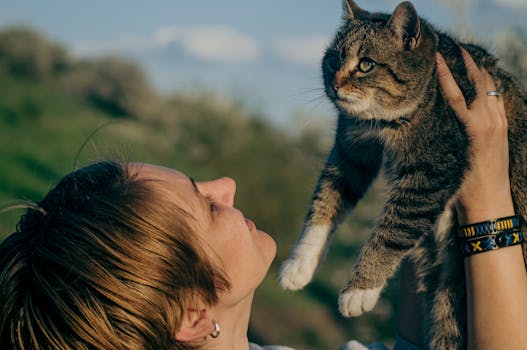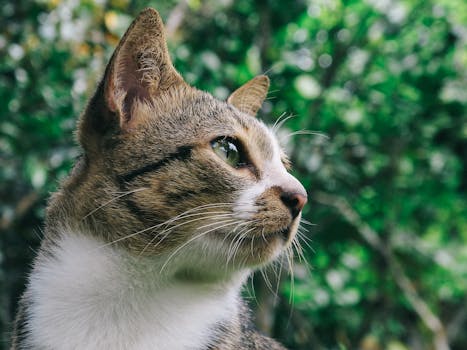
In addition to the methods already outlined, it is beneficial to understand and implement other preventive measures and considerations that can further aid in reducing aggression in cats:
Environmental Enrichment: Cats need an environment that stimulates their senses and allows them to use their natural behaviors. Adding cat shelves, perches, and hiding spaces can help them feel more in control of their environment and less likely to exhibit aggression.
Spaying/Neutering: Unneutered males and unspayed females are more likely to display aggressive behaviors related to their instincts for mating and territory. Spaying or neutering your cat can reduce these types of aggressive behaviors significantly.
.png)
Identify and Reduce Stressors: Pay attention to what triggers your cat’s aggression. It could be a loud noise, a specific person, or changes in the environment. Once identified, you can take steps to minimize these stressors or slowly acclimate your cat to them in a controlled and positive manner.
Feliway and Pheromones: Consider using pheromone diffusers such as Feliway, which mimic the facial pheromones that cats use to mark their territory as safe. These can help in reducing stress and aggression in some cats.
Dietary Considerations: Sometimes, aggression can be linked to dietary issues. Ensure your cat is receiving a balanced diet with all necessary nutrients. Consult with your vet to see if any dietary changes might help calm your cat’s behavior.
Training and Commands: Training your cat with basic commands can also be an effective way to manage aggressive behavior. Using clicker training or other positive reinforcement techniques can help you communicate better with your cat.
Regular Vet Checkups: Sometimes, aggression can be a sign of a health issue. Regular check-ups can ensure that your cat is healthy, and any medical problems that could be causing pain or discomfort—thus leading to aggression—are identified and treated promptly.
By combining these additional strategies with the initial advice, you can create a comprehensive approach to managing your cat's aggression. Remember, each cat is unique, and what works for one might not work for another. It’s important to be patient and persistent, and above all, to show your cat love and understanding as you work through these behavioral challenges together.