Creating a Cat-friendly Environment at Home: A Comprehensive Guide
Cats are more than just pets; they are curious, intelligent, and affectionate companions that thrive in environments tailored to their unique needs. As of 2023, over 46 million households in the United States alone own a cat, according to the American Pet Products Association. With such widespread popularity, it's essential for cat owners to understand how to create a safe, stimulating, and comfortable home for their feline friends. This comprehensive guide delves into the key aspects of designing a cat-friendly environment, ensuring your cat’s well-being and happiness while fostering a harmonious relationship between pet and owner.
Understanding the Needs of Your Cat
Before transforming your living space into a cat-friendly haven, it's crucial to understand the fundamental needs of cats. Unlike dogs, cats are solitary hunters by nature. They need both independence and stimulation to stay healthy and content. These needs can be summarized into five categories: safety, stimulation, comfort, territory, and health.
- Safety: Cats need a secure environment free from hazards such as toxic plants, open windows, and exposed electrical cords. - Stimulation: Play, exploration, and mental challenges prevent boredom and behavioral issues. - Comfort: Soft resting spots, temperature control, and quiet hideaways are vital for restful sleep. - Territory: Cats are territorial animals and need clearly defined spaces to feel at ease. - Health: Clean litter boxes, access to fresh water, and appropriate food are non-negotiable.According to a 2022 study by the American Association of Feline Practitioners, providing for these basic needs dramatically reduces stress-related illnesses and unwanted behaviors in domestic cats.
.png)
Safe Spaces: Securing Your Home for Cats
One of the first steps in creating a cat-friendly home is identifying and eliminating potential hazards. Many common household items can pose threats to curious felines.
- Toxic Plants: Over 700 plants are known to be toxic to cats, including lilies, poinsettias, and philodendrons. Always check the toxicity of houseplants before bringing them home. - Cords and Strings: Dangling cords from blinds or electronics can be dangerous. Secure them with cord shorteners or hide them behind furniture. - Windows and Balconies: According to the ASPCA, falls from open windows are a leading cause of serious injury in cats, especially in high-rise buildings. Install sturdy screens or limit window access. - Chemicals and Medications: Store cleaners, medications, and insecticides out of reach. Even small amounts of common substances like acetaminophen can be fatal to cats.Cat-proofing your home not only keeps your pet safe but also gives you peace of mind.
Enrichment and Stimulation: Keeping Your Cat Engaged
Mental and physical stimulation are essential for a cat's well-being. Without adequate enrichment, cats can develop destructive behaviors or depression. Here are several strategies:
- Interactive Toys: Toys that mimic prey, such as feather wands or laser pointers, tap into your cat's natural hunting instincts. Rotate toys regularly to maintain interest. - Climbing Structures: Cat trees, shelves, and window perches provide vertical space, which is critical for exercise and territory. - Puzzle Feeders: These challenge your cat’s mind and slow down eating, reducing the risk of obesity. Studies show cats using puzzle feeders are less likely to exhibit stress behaviors. - Safe Outdoor Access: Catios (enclosed patios) or harness-trained walks allow your cat to experience the outdoors without the risks associated with roaming.Engagement doesn't require a big budget—simple cardboard boxes, paper bags, or homemade puzzle feeders can provide hours of entertainment.
Litter Box Placement and Maintenance
A clean and accessible litter box is critical for both your cat’s health and your household’s hygiene. Litter box issues are among the top reasons cats are surrendered to shelters, so getting this aspect right is essential.
- Number of Boxes: The general rule is one box per cat, plus one extra. For example, a two-cat household should have at least three boxes. - Location: Place litter boxes in quiet, low-traffic areas, away from food and water bowls. Avoid cramped spaces or locations near noisy appliances. - Maintenance: Scoop at least once daily and change litter as recommended by the manufacturer. Clean the box with mild soap and water weekly. - Type of Litter: Some cats are sensitive to scented or coarse litters. Unscented, fine-grained clumping litter is typically preferred.A 2021 survey by PetMD found that 65% of cat owners reported a significant reduction in inappropriate elimination by simply improving litter box hygiene and placement.
Comfort and Rest: Creating Cozy Retreats
Cats sleep an average of 12-16 hours per day, making comfortable resting spots a top priority. Cats prefer to have several cozy, private areas throughout the home.
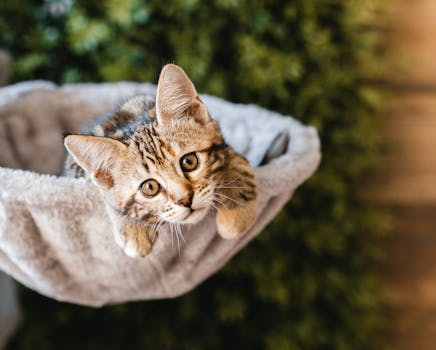
- Beds: Soft beds, blankets, or even a sunny windowsill can make perfect napping spots. - Hideaways: Enclosed spaces like cat caves, covered beds, or even a space under the bed provide a sense of security. - Temperature: Cats are sensitive to temperature changes. Ensure resting spots are draft-free and, if possible, offer access to both warm and cool areas.Providing multiple options allows your cat to choose the environment that suits their mood and needs.
Territory and Multi-cat Households: Preventing Conflict
Cats are territorial by nature, and in homes with multiple cats, competition for resources can lead to stress and conflict. Ensuring each cat has access to everything they need is crucial.
- Separate Resources: Provide multiple feeding stations, water bowls, litter boxes, and beds throughout the home. - Vertical Space: Cat trees, shelves, and window perches allow cats to claim space without crowding. - Gradual Introductions: When introducing a new cat, do so slowly using scent swapping and supervised meetings.The following table compares key resource recommendations for single vs. multi-cat households:
| Resource | Single Cat Household | Multi-cat Household (2+ Cats) |
|---|---|---|
| Litter Boxes | 2 (1 per cat + 1 extra) | Number of cats + 1 (e.g., 3 for 2 cats, 4 for 3 cats) |
| Feeding Stations | 1 | Multiple, in different locations |
| Water Bowls | 1-2 | At least 1 per cat, in different locations |
| Beds/Resting Spots | 2-3 | Multiple, both shared and private |
| Cat Trees/Shelves | 1-2 | Several, to avoid competition |
Addressing each cat's need for territory and resources helps prevent stress, aggression, and inappropriate behaviors.
Conclusion: The Path to a Happy, Healthy Cat
Creating a cat-friendly environment at home is a rewarding investment in your cat’s health and happiness. By understanding and addressing your cat’s needs for safety, stimulation, comfort, territory, and health, you lay the foundation for a fulfilling and harmonious relationship. Not only does an enriched home reduce the likelihood of behavioral issues, but it also contributes to the longevity and well-being of your feline companion. Remember, every cat is unique—observe your pet’s preferences and adjust your home accordingly. With thoughtful preparation and a little creativity, your home can become a true feline paradise.